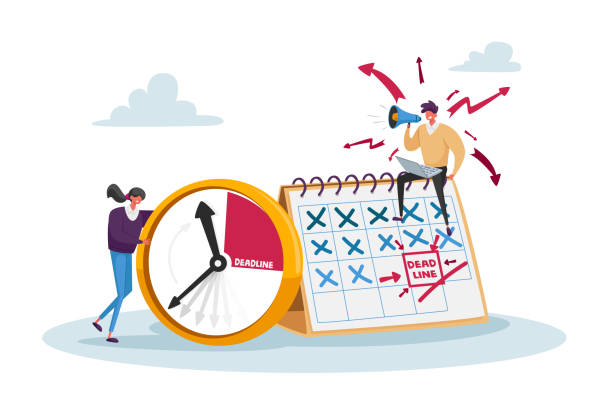
Time is a fair and precious resource for everyone, yet many people feel there’s never enough of it, their lives filled with trivial tasks that prevent them from using time well. In fact, by mastering some scientific and effective little tricks, you too can easily “shear” more time from your day, making every day fuller and more efficient. Below are 24 super practical tips I’ve gathered from years of time management experience — be sure to save them!
1. Truly Understand the Value of Time — Stop Making Excuses
Many complain about having no time, but if you have time to binge-watch shows, play games, or scroll short videos, you also have time to read, exercise, or cultivate hobbies. The key is whether you’re willing to face your time management honestly, stop making excuses for procrastination, and start taking active control. Time isn’t something you wait for; it’s something you seize.
2. Schedule One Thing Each Day That You Look Forward To
If you have something fun or meaningful waiting for you every morning, it changes your whole mood for the day. It could be trying a new recipe, watching a great movie, learning a new skill, or simply journaling. Keeping creativity and freshness in your life greatly enhances the quality of your time.
3. Be Clear About the Time Cost of Daily Tasks
You need to know how long tasks like cooking, laundry, commuting, or meetings take so you can plan reasonably and avoid wasting time. Keeping a time log for a week is recommended to find hidden “time black holes.”
4. Keep Your Home Organized to Save Time Searching for Things

Messy clutter wastes a lot of time whenever you look for something. Develop the habit of putting things back right after use and declutter unnecessary items. A tidy home naturally lifts your mood and saves tons of “useless effort.”
5. Simplify Life — Practice Decluttering
The more stuff you own, the more time you spend maintaining and managing it. Reducing possessions not only saves money but frees up more time for what you truly want to do. Decluttering is not just about items but also about mental relief.
6. Take a Power Nap to Recharge

Scientific studies show that a 20-minute nap significantly improves afternoon work efficiency and focus. When feeling tired, a short nap beats pushing through.
7. Lower Your Household Standards — Use Tools and Services
You don’t have to do everything yourself. Dishwashers, robot vacuums, washing machines, or even housekeeping services can save you loads of time and free your hands. Smart use of modern technology and outsourcing is a great way to boost time efficiency.
8. Schedule Important Tasks During Your Most Productive Time
For most people, the first hour after waking up is when efficiency and focus peak. Put tasks that require high concentration in this golden hour, ensure no interruptions, and you’ll achieve twice the results with half the effort.
9. Ask for Help When Facing Difficulties
Don’t stubbornly struggle when you hit a bottleneck. Asking others for advice often solves problems quickly and saves pointless trial-and-error time.
10. Keep Practicing Skills to Build a Competitive Edge
Invest time to seriously practice and improve relevant skills. This not only makes you more professional but also more efficient at work. Few persist with deep practice — if you do, you’re already ahead of most.
11. Reduce Inefficient Errands — Use Online Shopping and Errand Services
Running errands takes up huge chunks of time. Online shopping, errand-running services, and home delivery can drastically cut down your trips out, leaving more time for what really matters.
12. Focus on One Task at a Time — Avoid Multitasking
Frequent task-switching hurts efficiency. Concentrate on one thing, finish it, then move to the next — you’ll get more done faster. For example, batch-process emails and messages instead of scattering your attention.
13. Learn to Say “No” — Allocate Time and Energy Wisely
Rejecting unnecessary activities and tasks is not selfish; it’s responsible time management. For important but unsuitable matters, learn to delegate so you can focus on areas where you can truly add value.
14. Find Work You Love to Sustain Motivation
Deeply engage in what you love and work becomes enjoyment instead of burden. Even if you haven’t found your dream job yet, keep improving in your current role, build a sense of achievement, and maximize your time investment returns.
15. Expand Your Network and Skills to Boost Long-Term Value
Spend a little time each day learning new things, attending social events, and building connections. These “intangible assets” will save you a lot of time and energy when it counts.
16. Learn to Delegate — Avoid Doing Everything Yourself
Assign appropriate tasks to others; this trains the team and frees you to focus on more important work. Don’t carry others’ responsibilities as your own burden.
17. Concentrate Meetings to Avoid Fragmented Time
If you have multiple meetings in a day, arrange them consecutively to avoid scattered time losses. Fragmented time is often hard to use efficiently.
18. Set Time Limits on Digital Device Use
Over-reliance on phones and computers can stealthily waste a huge amount of time. Set “off times” in the morning and evening to protect your focus and sleep quality.
19. Regularly Review How You Use Your Time
Use tools or manual logs to track daily time spent and find areas to improve. Only by knowing where your time goes can you make precise adjustments.
20. Pay Attention to Your Physical and Mental State — Rest When Needed
When your focus falters, pause for a moment, take deep breaths, stretch, or rest briefly. Recharging boosts your subsequent efficiency.
21. Establish a Work Ritual
Create a fixed pre-work routine such as tidying your desk, making coffee, or listening to specific music to help quickly enter a productive mindset and enhance focus.
22. Recall Happy Memories to Inspire Positive Mood
Looking at photos or journals to remember joyful moments motivates you to cherish time and live proactively, fueling motivation to plan the future.
23. Invest Time to Buy More Time
Spending money to hire help for chores, errands, or repairs to gain more free time is definitely a worthwhile “time investment.”
24. Remember: Money Can Be Earned Again, Time Cannot
Time is a finite resource. Planning and using it well is more important than making money. May you learn to “shear” every bit of your time and live each day with value.
If you try and stick to these 24 tips one by one, you will greatly improve your time utilization, making both your life and work easier and more fulfilling. Time is like a sheep — with patience and care, it will keep giving you endless surprises.