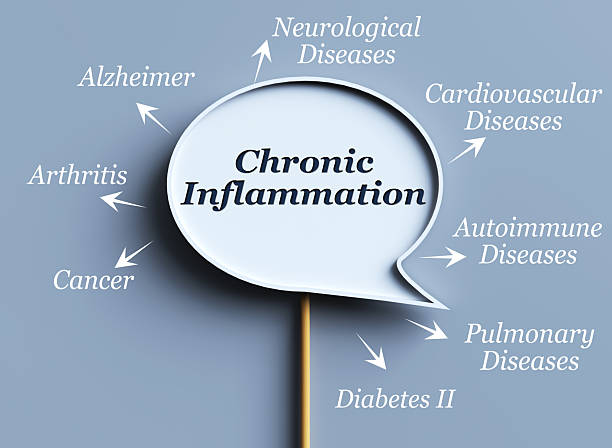
Fatigue is one of the earliest and most important biological warning signals of the body, alongside fever and pain as the “three major alarms.” When fatigue hits, it is actually the nervous system sending a “danger signal” — warning you that if you continue to overexert yourself, it could threaten your life. Whether it’s sitting long hours at a desk, eye strain, soreness after intense exercise, or mental exhaustion, overwhelming stress, and lack of sleep, the root cause lies in the brain’s central nervous system, especially the fatigue of the “autonomic nervous center.”
When the brain is in a state of continuous excitement or pleasure, we often ignore these fatigue signals, causing the feeling of tiredness to be masked or transformed into “hidden fatigue.” This invisible fatigue accumulates and, if not addressed in time, can eventually develop into a serious health crisis, even leading to “karoshi” (death from overwork) or sudden death.
Why Should We Be Highly Alert to Hidden Fatigue?
Sudden death does not happen without warning — it is usually the result of long-term accumulation of hidden fatigue. Hidden fatigue leaves a person in a mysterious, persistent state of extreme weakness, with the body constantly sending out alerts that are often ignored for various reasons.
A typical example: some people work overtime relentlessly, almost sleepless, driven by responsibility and a sense of mission. When their vacation finally arrives, they get excited and under stress relief, choose to participate in intense physical activity like playing golf. One day, while focusing on a swing at the golf course, they suddenly experience severe chest pain and collapse — this is not rare but a true portrayal of death by overwork.
This also shows that people who are extremely dedicated to work, responsible, and always focused on finishing tasks are more likely to suffer from hidden fatigue, because their brains become numb and fail to accurately perceive fatigue signals.
Six Typical Signs of Chronic Fatigue — How Many Do You Have?
Sign 1: “Quickly getting bored with everything”
It is normal to feel bored after doing the same thing for a long time. However, boredom is also the brain’s earliest warning sign of fatigue. If you start to feel bored and resistant even towards work or activities you normally love, be highly alert — this often means hidden fatigue is beginning to infiltrate your life.
Fatigue not only slows brain response but also causes physical symptoms such as shoulder soreness, eye strain, and frequent drowsiness. Especially if you ignore this boredom and keep pushing yourself, damage to brain nerve cells will gradually worsen, forming a vicious fatigue cycle.
The prevention is simple: take timely breaks. Research shows that the human brain can focus continuously on the same task for about 1 to 1.5 hours. Therefore, applying the “Pomodoro Technique” — working 25 minutes followed by a 5-minute break — helps adjust mood and restore energy, effectively preventing brain fatigue.
Sign 2: “Falling asleep during a bus or subway ride and waking up after missing your stop”
Falling asleep unknowingly on public transport and waking up to find you have missed your stop may seem accidental but is actually a serious sign of brain fatigue. This usually means your body has accumulated a large amount of fatigue, and when the brain cannot maintain alertness, it automatically forces rest.
The main reasons for this mid-journey sleep are lack of sleep and poor sleep quality. Sleep is the key mechanism for the body and brain to remove fatigue. Without quality sleep, fatigue cannot be effectively eliminated, and your body sends the signal: “I can’t hold on.”
Especially in public places, where the environment is noisy and it is hard to fully relax, your alertness should remain high. If you still “force yourself to sleep,” it indicates your hidden fatigue is severe, and you should seek medical examination promptly.
Sign 3: “Still feeling tired and weak 4 hours after waking up”
The human body has a stable biological clock that determines our daily mental state. Typically, 4 hours after waking up, the brain is at its most active state, suitable for complex and creative work.
If you still feel sleepy and mentally sluggish during this golden period, it is a clear sign your body has not recovered from fatigue. If this continues long-term, it means your sleep quality or lifestyle habits have serious problems and need adjustment and more rest.
Sign 4: “Blisters appearing on lips or underarms”
Have you noticed that when stressed and fatigued, you sometimes get blisters or herpes around your mouth or under your arms? This is the activation of the human herpes virus latent in the body.
This virus exists in most people and is usually suppressed by the immune system, showing no symptoms. But when the body’s immunity drops, the virus becomes active on the skin surface, forming blisters, signaling fatigue and weakened immune function.
Scientific research shows that the more severe the fatigue, the more active the virus; good rest reduces virus activity significantly. Therefore, recurring herpes outbreaks are actually a warning light for body fatigue.
Sign 5: “Waking up frequently at night and difficulty falling asleep again”
Frequent awakenings at night, especially when you feel tired upon waking, is a typical sign of sleep disorders. Besides possible urinary system diseases, many people experience this due to “autonomic nervous dysfunction,” which disrupts sleep rhythms.
The autonomic nervous system regulates sleep depth and cycles. Long-term stress and fatigue cause imbalance, increasing shallow sleep time and reducing deep sleep, impairing recovery.
You might think you wake due to “urgent need to pee,” but often it’s your body unable to maintain a normal sleep cycle, causing a “false urge.” This situation is usually due to accumulated hidden fatigue and requires attention.
Sign 6: “Persistent unpleasant body odor”
Most body odor comes from bacteria on the skin breaking down sweat, which is normal. But if the odor is especially pungent, strong, and deodorants don’t work, it’s likely “fatigue odor.”
Fatigue odor is caused by abnormal metabolism, resulting in sweat containing large amounts of ammonia and other smelly substances. This reflects a decline in organ function, especially liver metabolism, and signals the body is under high stress and metabolic disorder.
Fatigue odor not only affects social life but also warns of worsening health, requiring lifestyle adjustments and improved metabolism.
How to Prevent Health Risks Caused by Chronic Fatigue?
- Maintain a regular schedule and ensure sufficient high-quality sleep. Sleep is fundamental to relieving fatigue. Avoid staying up late, and keep 7-8 hours of quality sleep daily.
- Learn to rest and adjust your pace reasonably. Use time management techniques like the Pomodoro Technique to avoid long continuous work.
- Pay attention to your body’s signals. Stay sensitive to feelings of fatigue, boredom, and physical discomfort, and adjust promptly.
- Reduce mental stress. Relieve psychological pressure through exercise, meditation, and counseling.
- Have regular health checkups. Detect potential health problems early, especially cardiovascular and immune system issues.
- Maintain a healthy diet to strengthen liver and organ function and promote metabolism.
Chronic fatigue is not just simple tiredness or exhaustion — it is a hidden crisis. If you notice any of the six warning signs above, please take them seriously. Once hidden fatigue accumulates to a certain level, it can easily lead to tragic sudden death.
Do not underestimate fatigue. Learn to listen to your body, manage your work and life rhythm reasonably, and you can truly avoid the risk of sudden death and embrace a healthy, energetic life.