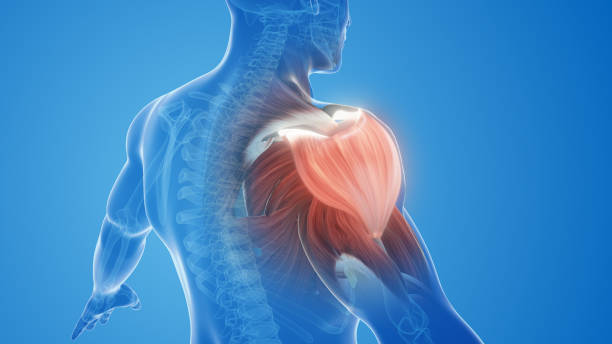
Once you understand the intricate relationship between food, exercise, fat, and muscle, you’ll start to realize why prioritizing muscle health is the key to overall well-being. Optimizing your muscles means optimizing your entire life.
The Hidden Power of a Muscle-Centric Lifestyle
Living with a focus on building and maintaining muscle brings numerous benefits that reach far beyond just appearance:
- Stabilized Blood Sugar
- Higher Energy Levels
- Clearer Thinking
- Lower Body Fat
- Improved Body Composition
- Reduced Cravings and Hunger
Scientific studies have repeatedly confirmed that the healthier your muscles are, the better your chances of surviving health challenges. In fact, muscle mass is a strong predictor of survival, especially when dealing with conditions like cachexia—a syndrome often seen in cancer patients characterized by rapid weight and muscle loss.
Five Simple Hacks to Build Muscle Daily
- Do 10–20 bodyweight squats every hour.
- Stand while working, at least part of the day.
- Walk quickly to the restroom or breakroom 10 times daily to raise your heart rate.
- Keep resistance bands at your desk and do 10 quick biceps curls after each completed task.
- Wear a light weighted vest at work to add passive resistance to your daily routine.
Two Core Drivers of Change: Knowledge and Execution
What stands between you and your health goals is twofold—knowing what to do, and knowing how to get it done.
The only thing we can truly control is our mindset. Mastering your mental state means understanding your strengths and weaknesses, avoiding predictable pitfalls, and learning to navigate your internal “logistics system” with clarity and intention.
Muscle: Your Best Defense Against Disease and Aging
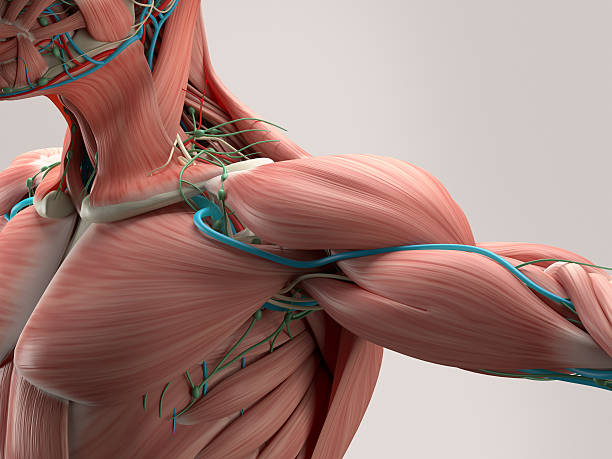
Muscle isn’t just for athletes or bodybuilders. It’s the body’s secret weapon for fighting disease, resisting infection, and bouncing back from injury.
As we age, we experience slow but constant deterioration. Even before signs of aging show on our faces, muscle mass starts to quietly decline. This puts us at risk for sarcopenia, the age-related loss of muscle that leads to weakness, reduced mobility, and poor quality of life.
More muscle = more amino acids. When your body is fighting infection or trauma, it relies on your muscle tissue as a critical reservoir of amino acids to support recovery. The more muscle you have, the stronger your ability to survive adversity.
Muscle Supports the Immune System
Research shows that regular physical activity strengthens long-term immunity. Resistance training, in particular, offers a powerful way to support the immune system by stimulating skeletal muscle.
Practical daily habits that improve your quality of life:
- Get outdoors and walk.
- Begin resistance training.
- Move daily to ease stiffness and reduce pain.
Inactive muscles trigger biological stress signals, but healthy muscles offer physiological solutions. Think of your muscle as a biological clock—when it’s neglected, it invites trouble.
Set Your Health Standards: A Roadmap for Personal Change
Dr. Emily Balcetis offers a practical 3-step formula for lasting change:
Step 1: Dare to Dream
Envision the version of yourself you want to become. Is this version healthy? Disciplined? Energetic? Define what success looks like, and list habits or routines that bring you closer to this future self.
Step 2: Make a Concrete Plan
Break your goals into small, actionable steps:
- Schedule grocery trips.
- Plan your cooking times.
- Prepare meals in advance.
Consistency is everything. Repeat these steps daily. Small habits, when stacked, lead to big change—not just in health, but in mindset.
Step 3: Anticipate Failure
What daily distractions could derail your plan? What bad habits waste your energy or shake your focus? Identify your personal weaknesses in advance.
Examples:
- Do you skip your morning run for 40 more minutes of sleep?
- Do you veg out in front of the TV instead of hitting the gym after work?
- Do you reach for a drink Friday night instead of a workout?
These are common traps. By visualizing your weak points ahead of time, you can develop healthier alternatives—and stay on track.
Improving yourself takes effort and intention. Keep reminding yourself of what it costs to maintain old habits, and stay excited about building new ones. Ultimately, your goal is to make healthy actions automatic—part of a new, sustainable identity.
Muscle Across the Ages: What Changes and What You Can Do
In Your 20s and 30s: Build Your Peak
Muscle and bone mass reach their natural peaks during this time, especially with the help of optimal hormones like testosterone, growth hormone, and IGF-1. But don’t let that trick you into laziness—habits formed now lay the foundation for future strength or weakness.
Peak bone mass occurs between 25–30. After that, it slowly declines. Muscle mass is closely tied to bone density, so the earlier you start training, the better.
For women, muscle plays a key role in a healthy pregnancy, supporting the body’s changes and providing nutrients for fetal development.
In Your Mid-30s to Mid-40s: Adjust for Metabolism
Many people say: “I eat and move the same as before, but I keep gaining weight.” That’s not your imagination. Around 35–45, your metabolism begins to shift. Hormone levels drop. Muscle loss accelerates. Fat gain creeps in.
This decade is your golden opportunity. Focus on resistance training and metabolic health. Good habits now can rewrite your health trajectory for years to come.
Healthy muscles improve your sleep, sharpen your willpower, and can even revitalize your romantic life. Exercise has been linked to increased libido and confidence—just another benefit of a muscle-focused lifestyle.
In Your Late 40s: Protect Your Metabolism
As you age, your muscles respond less to protein, especially at lower doses. Without strong muscle tissue, metabolism slows. Fatigue increases. Illness risk rises.
Muscle degradation begins in your 30s, but by your 50s it’s more noticeable. Muscle shrinks, fat accumulates—a condition known as sarcopenic obesity. Without exercise, even a short break (like a week in bed) can cause significant muscle loss.
Recent data shows:
- 8–36% of people under 60 already show signs of muscle loss.
- 10–27% of those over 60 show even greater loss.
- 2–9% of seniors experience severe muscle wasting.
In Your 50s and Beyond: Train Smarter, Eat Smarter
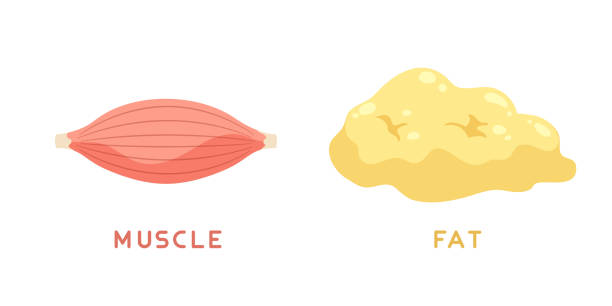
Muscle loss accelerates after 50, with 1–2% loss per year. Lost muscle is often replaced by fat, leading to weaker movement, slower metabolism, and poorer health overall.
Combining optimal protein intake with resistance training becomes essential. This not only preserves strength but also reduces the risks of obesity, fatty liver, high blood pressure, and more.
A protein-rich diet paired with regular resistance training can keep you strong, healthy, and energized throughout midlife and into your later years.
After 60: Reap What You’ve Sown
This is when you cash in on decades of good habits. Muscle has memory. A well-trained neuromuscular system will support your mobility, independence, and energy levels.
If you’ve neglected your muscle health so far, this is your wake-up call. It’s never too late to make a change. The sooner you act, the better your chances of reversing decline and reclaiming your vitality.
Protein: More Than Just a Macronutrient—It’s a Lifeline for Muscle and Health
Many people underestimate protein, assuming it’s just for bodybuilders or those trying to bulk up. But in reality, protein is the most important nutrient for protecting muscle mass, especially as we age.
When your body is under stress—whether from illness, injury, or aging—it needs more amino acids (the building blocks of protein) to support tissue repair, immune function, and recovery. If your diet lacks sufficient protein, your body will break down your own muscles to get what it needs.
This not only accelerates muscle loss, but also weakens your immune system and slows down healing.
How Much Protein Do You Really Need?
The traditional recommended daily intake (RDA) of 0.8g of protein per kilogram of body weight is the bare minimum to prevent deficiency—not enough to maintain or grow muscle, especially for older adults or people who exercise.
Modern research suggests:
- 1.2 to 1.6g per kg of body weight per day is ideal for maintaining and building lean muscle mass.
- For those doing regular resistance training or trying to lose fat while preserving muscle, the range may go up to 2.0g/kg or even slightly more.
Example:
If you weigh 60kg, aim for at least 72g to 96g of protein per day—ideally spread across three meals.
Protein Timing Matters
Studies show that muscle protein synthesis is optimized when you distribute your protein intake evenly across the day, rather than consuming most of it in one meal.
For example:
- Breakfast: 25–30g
- Lunch: 25–30g
- Dinner: 25–30g
This pattern helps keep your muscles in an anabolic (growth-promoting) state and prevents long periods of breakdown.
High-Quality Protein Sources
Make sure you’re getting complete proteins—those containing all essential amino acids:
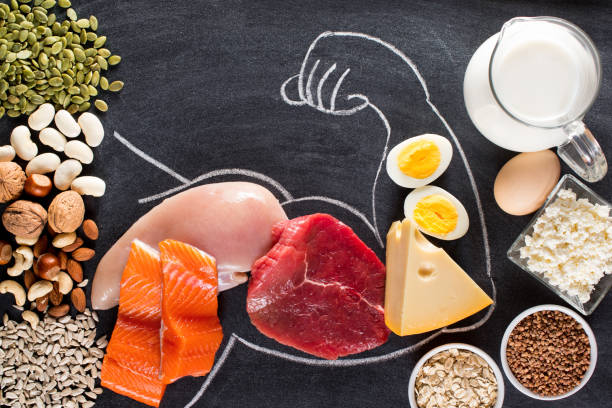
- Animal sources: eggs, dairy, poultry, beef, pork, fish
- Plant sources: tofu, tempeh, soy milk, quinoa, lentils, beans (combine different sources for full amino acid profile)
- Supplements (if needed): whey protein, casein, or plant-based powders like pea or rice protein
Final Thoughts: Build Muscle, Build Your Future
Having muscle isn’t just about looking fit. It’s about building a stronger immune system, faster metabolism, better resilience, and more freedom as you age.
Muscle mass is a form of biological wealth.
It gives you strength to move, energy to enjoy life, and the physical foundation to support mental well-being.
Whether you’re 25 or 65, now is the time to invest in your muscle. Lift something heavy. Eat your protein. Prioritize sleep and recovery.
And remember: the stronger your muscles, the longer your healthspan.