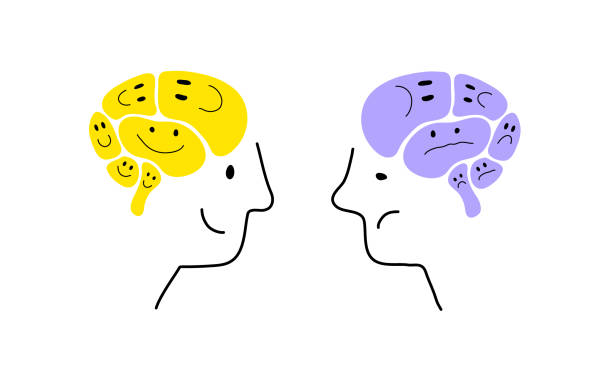
In our lives, pessimism and optimism often seem like two completely different mindsets. But in reality, the gap between them is bridged by a simple yet powerful psychological technique. This is neither fate nor talent—it’s a skill anyone can learn and master: changing your way of thinking and choosing a more positive, constructive perspective.
You Have More Choice Than You Think
One profound idea has always influenced me: people have full control over the way they choose to think. Often, we assume negative moods and behaviors arise because of bad events, but the truth is that these emotions and behaviors don’t stem directly from the events themselves—they come from our interpretation of those events. When you actively change your perspective, you can move out of pessimism and embrace optimism.
Extreme Thinking Is Our Enemy
Extreme and distorted thoughts are often the root of emotional problems. Thoughts like “I will never succeed,” “I’m worthless,” or “Things will never get better” imprison us in suffering. Learning to question these thoughts and refusing to let them dictate your emotions and life is the key to happiness. When you master this optimistic psychological skill, you’ll find that happiness has never been closer.
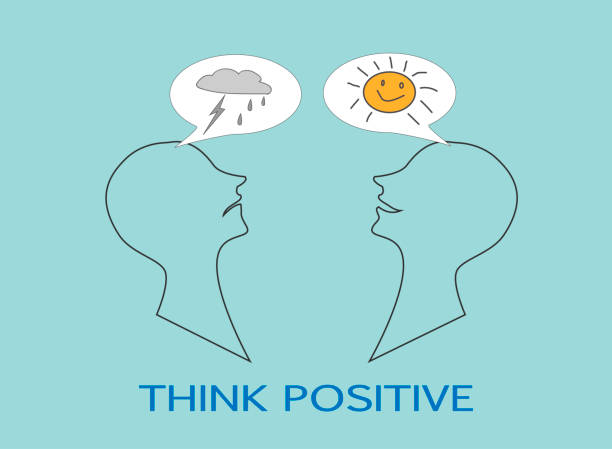
Cognitive Therapy: Psychology’s “Power Tool”
Since the 1970s, psychologists Aaron Beck and Albert Ellis proposed the idea that “consciousness determines feelings”—our emotional state mainly comes from how we perceive and interpret events, not from the events themselves. This theory gave rise to cognitive therapy, an effective treatment method for depression and anxiety that focuses on changing how people perceive their experiences.
The core of cognitive therapy is to help patients view setbacks and difficulties with more reasonable, positive thinking. Specifically, cognitive therapy includes five major strategies:
1. Recognize Automatic Negative Thoughts
When we feel down, automatic negative thoughts often arise. For example, a mother might frequently yell at her child before school and then feel guilty, silently thinking, “I’m the worst mom.” Cognitive therapy teaches her to notice these automatic thoughts and understand they are just interpretations, not facts.
2. Challenge Negative Thoughts
Next, she learns to fight back against these negative thoughts. She starts finding examples that prove she is a good mom, thus weakening the power of negative emotions.
3. Replace Original Thoughts with More Reasonable Explanations
She further practices replacing extreme judgments with gentler, more specific ones, such as, “I wasn’t in a good mood this morning, but I was patient with my child in the afternoon.” These explanations avoid words like “always” or “completely,” making them more flexible and realistic.
4. Learn to Shift Attention and Avoid Rumination
Continuously dwelling on negative thoughts only worsens depression. Cognitive therapy encourages timely attention shifts, giving yourself space and time to break the vicious cycle of negative emotions.
5. Question and Reshape Core Beliefs
Many roots of depression lie in false assumptions about the world and ourselves, such as:
- “I can’t live without being loved.”
- “If I’m not perfect, I’m a failure.”
- “I must please everyone.”
Cognitive therapy helps people challenge these irrational beliefs and rebuild healthier life philosophies:
- “Love is precious, but there are other important things in life.”
- “Trying hard is a success.”
- “Some people like you, some don’t—that’s normal.”
This shift in belief is not just a temporary mood adjustment but a fundamental revolution in thinking patterns.
The Dual Power of Cognitive Therapy: Mechanism and Philosophy
Mechanistically, cognitive therapy transforms pessimistic explanatory styles into optimistic ones, helping people resist negative emotions sustainably. When failure and setbacks occur, this optimistic mindset acts as a shield, protecting you from depression.
Philosophically, it leverages the power of self-change. In modern society, self-improvement and psychological growth are highly valued. People are willing to spend time and effort adjusting their thought habits, choosing mental activities that make them feel better. This active choice is an important starting point for a happy life.
The ABCDE Model for an Optimistic Life
Imagine this scenario: when adversity (A) strikes, our mind instantly generates reactions that form a series of beliefs (B). These beliefs become habitual thoughts that eventually influence our emotions and behaviors (C). This process often happens unconsciously.
How to Break This Vicious Cycle?
- Recognize the connection between events, thoughts, and consequences.
- Record and observe your daily ABC patterns.
For example:
- Adversity (A): Your child didn’t finish homework on time.
- Belief (B): “He must be irresponsible.”
- Consequence (C): You feel disappointed and may snap at your child.
By journaling five ABC events from your daily life and paying attention to your inner thoughts and reactions, you gain clearer insight into how emotions arise.
Suggested Recording Method:
- Adversity: Describe the event objectively without subjective judgment.
- Belief: Your interpretation of the event, a subjective judgment.
- Consequence: Emotional and behavioral responses.
Learn to Dispute and Regain Control of Your Thinking
The key is learning to dispute those automatic, irrational negative thoughts. Remember, your thoughts are just thoughts—not necessarily facts. Disputing means stepping back, distancing yourself, and testing whether those thoughts hold up.
How to Dispute Effectively?
Use four directions to support your dispute:
- Evidence: Is there fact-based support or contradiction for this thought?
- Alternatives: Are there other reasonable explanations?
- Implications: What are the hidden assumptions of this thought? Are they reasonable?
- Usefulness: Does believing this thought help or harm me?
Practice the ABCDE Model: A Practical Example
- A (Adversity): You lose a pair of earrings borrowed from a friend.
- B (Belief): “I’m so irresponsible; my friend will hate me.”
- C (Consequence): Shame and anxiety.
- D (Disputation):
- Evidence: My friend has trusted me before and never blamed me for small things.
- Alternatives: My friend might understand it was an accident.
- Implications: It’s unfair to label myself as irresponsible for this.
- Usefulness: Letting go of this thought helps me face the problem calmly and communicate honestly with my friend.
- E (Energization): Although upset, I feel motivated to be honest and open with my friend.
The journey from pessimism to optimism isn’t far. It’s a choice—choosing to interpret life’s difficulties with more reasonable and positive thoughts. Cognitive therapy and the ABCDE model provide concrete methods and tools to recognize negative thinking, challenge it, and replace it with optimistic beliefs.
Once you master this psychological skill, happiness and contentment will become the norm in your life. Remember, changing your mindset is the first step toward a happy life—and you are fully capable of doing it.