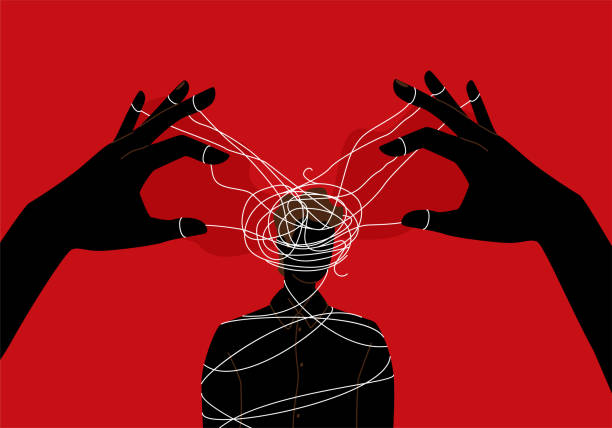
In life, we often face the problem of emotional buildup. Especially for those who habitually suppress their emotions, long-term emotional repression can cause serious negative effects on both the mind and body. Having personally experienced tremendous pressure, I deeply understand this and have tried various methods to regulate my emotions. Today, I want to share some effective emotional regulation strategies, hoping to help you start from within and learn how to scientifically release and manage your emotions.
1. Why Is It Harmful to Suppress Emotions for a Long Time?
Many people mistakenly believe that suppressing emotions is a sign of maturity or strength, but the truth is quite the opposite. Long-term emotional suppression not only causes mental burdens but also triggers various physical problems. Psychologically, continuous suppression accumulates anxiety and depression, leading to emotional breakdowns, insomnia, and difficulty concentrating. Physically, stress and negative emotions affect the immune system, causing chronic inflammation and digestive issues in mild cases, and potentially serious illnesses like heart disease or tumors under high stress.
Therefore, timely and effective emotional regulation is crucial not only for mental health but also for physical well-being. The key is to find a suitable way to release and regulate emotions that allows both expression and enjoyment, achieving harmony between body and mind.
2. Discover Your Own Emotional Regulation Methods
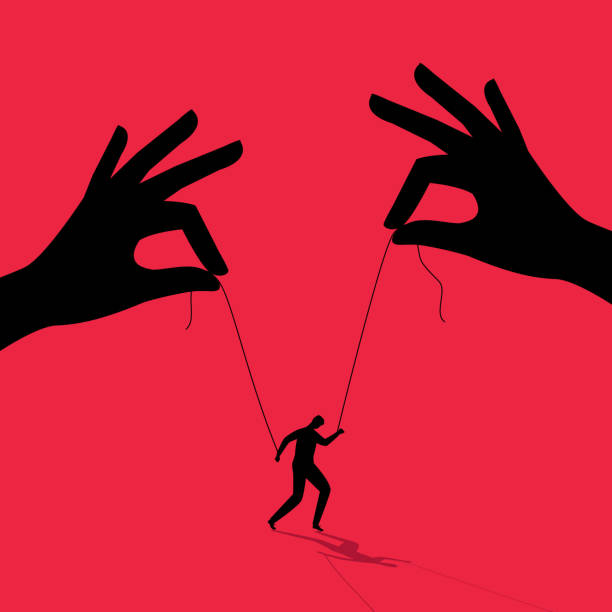
Everyone has different personalities, interests, and living environments, so the best emotional regulation methods vary. Finding a way that truly lets you immerse and enjoy yourself is key to success. Below are some common and practical methods for your reference and trial:
1. Music Therapy: Soothing the Soul with Melody
Music is one of the simplest and most direct ways to heal emotions. Whether learning an instrument, singing, or simply listening to music, all can effectively relieve stress and negative feelings.
- Playing Instruments: Drums, guitar, and suona (a Chinese wind instrument) with strong rhythms help release emotions; piano and violin bring inner calm with delicate melodies. Famous scientist Einstein once used the violin to relieve mental pressure.
- Singing and Karaoke: Singing deepens breathing and lets emotions vent. The popularity of karaoke shows how much people love this method.
- Listening to Classical Music: Studies show that listening to Baroque classical music (like Bach or Mozart) significantly reduces anxiety and eases tension.
2. Exercise Release: Move Your Body to Dispel Stress
Exercise not only strengthens the body but also is a powerful tool for emotional regulation. Physical activity releases endorphins, bringing joy and relaxation.
- Running: Outdoor running is especially beneficial—being in nature and breathing fresh air helps relieve anxiety. Sweating and tiredness after running promote quick sleep and mental recovery.
- Combat Sports: Boxing, Muay Thai, Brazilian Jiu-Jitsu, and other fighting sports provide direct and intense emotional release while building confidence and discipline.
- Racket Sports: Badminton, tennis, and table tennis improve physical fitness, coordination, and reflexes. Research indicates these sports significantly reduce mortality and cardiovascular risks.
- Other Activities: Yoga, hiking, climbing, archery, kayaking, etc., offer diverse choices depending on your interests and physical condition. Try several to find one you enjoy and want to stick with.
3. Reading: Find Calmness in the Fragrance of Books
Reading is a great way to rest the mind. British research found that just a few minutes of reading can significantly lower tension levels. This is because reading distracts the brain from stress and immerses you in stories and imagined worlds, producing relaxation.
Pick books you like—novels, history, philosophy, or poetry—to temporarily escape reality’s pressures and restore inner balance.
4. Meditation and Mindfulness: Cultivating Inner Peace
Meditation and mindfulness are among the most effective emotional regulation techniques. They teach us to observe emotions without being driven by them, maintaining inner calm and awareness.
- Find a quiet, undisturbed place.
- Control your breathing and focus on present sensations.
- Practice 10-20 minutes daily to improve emotional states over time.
Many people replace naps with meditation, finding that a few minutes of meditation during fatigue or anxiety instantly alleviates tension.
5. Embrace Nature: Nature as the Best Healer
Spending time in nature—hiking, walking, playing by the sea—not only exercises the body but also calms the mind. Scientific studies show that natural environments reduce stress hormone levels and boost happiness.
6. Socializing and Entertainment: Share with Others, Enrich Life
Emotional regulation also depends on interpersonal communication and companionship. Dining with friends, watching movies, attending concerts or theater, or having long talks with loved ones all provide support and warmth.
Also, trying exciting or adventurous sports like bungee jumping, snorkeling, or paragliding can break mental blocks and bring freshness and release.
3. The Mindset for Emotional Regulation
Regulating emotions is not just about methods but also an inner attitude shift:
- Accept your emotions rather than suppress them: Emotions are natural responses that don’t need resistance or denial; learn to understand and embrace them.
- Show yourself love and patience: Emotional regulation is a process, not instantaneous; continuous practice and adjustment are required for results.
- Actively seek support: When emotions become uncontrollable, seeking professional help or sharing feelings is an important form of self-care.
4.
Those who habitually suppress emotions should pay even more attention to their emotional health, starting from within. Find suitable regulation methods, face emotions proactively, and learn to effectively release and manage them. Whether through music, exercise, reading, meditation, nature, or social interaction, each can be a balm for the soul. I hope you find your own path to emotional regulation and embrace a lighter, healthier, and more fulfilling life.
Have you tried any methods to regulate your emotions? Which one works best for you? Feel free to share your story—let’s grow together.