Did you know? Losing visceral fat doesn’t necessarily require intense exercise
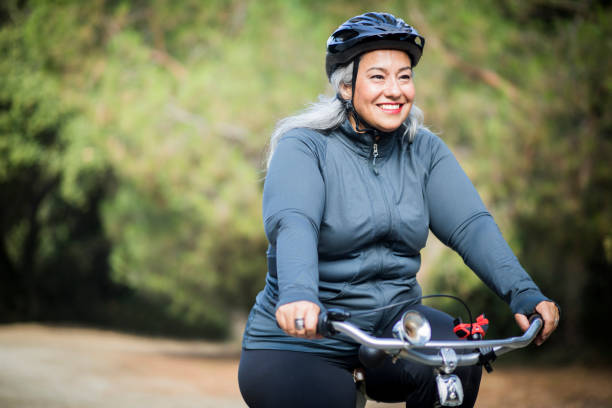
Many people struggle with their “belly pooch,” especially as their waistline grows year by year and clothes feel tighter, yet they don’t know how to effectively tackle the problem. In fact, the real culprit behind that belly fat is visceral fat. Its accumulation not only affects appearance but also poses hidden health risks.
What is visceral fat? What exactly is it?
Visceral fat is the fat stored around the internal organs inside the abdominal cavity, especially surrounding the intestines and other parts of the digestive system. Excessive visceral fat leads to a condition called “visceral obesity,” characterized by a visibly protruding belly and an apple-shaped body. This is quite different from another common type of fat — subcutaneous fat.
Subcutaneous fat lies just beneath the skin, distributed mainly below the waist, around the thighs and hips, creating the so-called “pear-shaped” figure. A third type is ectopic fat, which accumulates in muscles or organs where fat normally shouldn’t be, causing deeper impacts on bodily functions.
Visceral fat: the hidden health threat
As we age, especially after 40, more people develop “hidden obesity,” where their weight looks normal but body fat percentage is high due to visceral fat buildup. Visceral fat isn’t just a cosmetic issue — it’s a root cause of many chronic diseases like hypertension, diabetes, and cardiovascular problems.
Sugar: the mastermind behind visceral fat buildup
When we consume sugar and fats, the body converts them in the liver into triglycerides — an important energy source transported through the blood to organs. However, excess sugar intake, especially from sugary drinks, sweets, and refined carbs, causes triglycerides to accumulate excessively. Without enough exercise, this fat isn’t burned off and eventually turns into visceral fat.
The hierarchy and process of fat accumulation
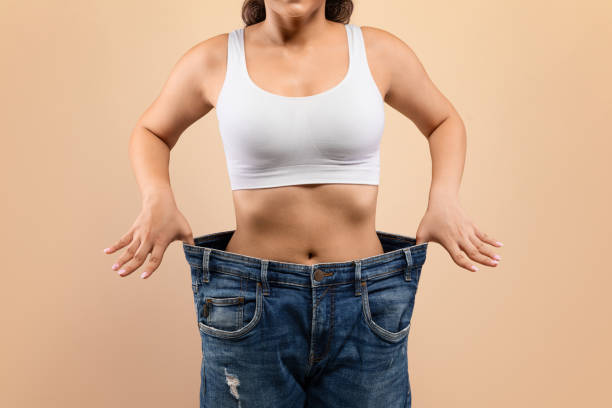
Fat accumulates in a specific order: triglycerides are first stored as subcutaneous fat under the skin. Subcutaneous fat is widespread, but women tend to store more around hips and thighs. When subcutaneous fat storage is full, the excess triglycerides accumulate as visceral fat, causing abdominal bulging. Finally, once visceral fat storage saturates, leftover fat deposits as ectopic fat in places like the liver, pancreas, and muscles.
Ectopic fat is particularly dangerous — even slim people may have high ectopic fat, which disrupts organ function and greatly increases the risk of type 2 diabetes and other metabolic diseases.
The subtle link between visceral fat and protein
Protein balance in the body, especially albumin levels in the blood, is an important indicator of health and fat metabolism. Insufficient protein not only harms muscle mass but may also promote abnormal fat accumulation, including visceral fat.
Liver fat: another hidden risk of visceral fat buildup
Fatty liver, especially non-alcoholic fatty liver disease (NAFLD), directly reflects excessive visceral fat. The liver is key in sugar metabolism and energy regulation; as liver fat rises, liver function declines, blood sugar control worsens, and fat metabolism disorders worsen in a vicious cycle.
Importantly, fatty liver doesn’t only affect obese individuals — slim people and even athletes can have fatty liver due to ectopic fat accumulation. Fatty liver can be alcoholic or non-alcoholic, with the latter mainly caused by excessive sugar intake.
How to reverse mild fatty liver in one week?
By controlling diet, especially sugar intake, most mild fatty liver patients can see significant improvement in just one week. The key is to reduce refined carbs like rice, bread, and noodles by about 15%, while increasing protein and healthy fats.
For example, one bowl of rice contains about 55 grams of sugar; eating four bowls surpasses the recommended daily sugar intake for women. Cutting down on carbs and increasing intake of meat, fish, and eggs can ease liver burden and promote fat burning.
Different fat accumulation patterns in men and women
Men tend to accumulate more visceral fat, while women generally store more subcutaneous fat. This difference is mainly hormonal — estrogen helps shift fat to subcutaneous stores and also lowers blood pressure and prevents artery hardening. Women usually have less visceral fat before menopause but see increases afterward.
The most dangerous consequences of visceral fat

Excess visceral fat is closely linked to cardiovascular diseases, diabetes, and liver diseases. Its inflammatory secretions aggravate chronic inflammation inside the body, damage blood vessel linings, and increase risks of stroke and heart attacks.
Balanced diet design for easy belly fat loss
An ideal diet ratio is 50% carbohydrates, 30% protein, and 20% fat. Reducing carbohydrate intake, especially refined sugars, effectively cuts visceral fat accumulation. Increasing quality protein sources like eggs, fish, and dairy helps tissue repair and boosts metabolism.
Also, choosing high-fiber dark grains such as brown rice and whole wheat bread slows sugar absorption, increases satiety, and reduces blood sugar spikes.
Controlling sugar intake: no need to completely avoid carbs
You don’t have to totally quit carbs — just reduce them reasonably. Cutting about 15% of daily carbs, while boosting veggies and protein, is recommended. Use smaller bowls for rice and ask for less rice when eating out.
Beware the risks of over-restricting sugar
Extreme sugar restriction might cause rapid short-term weight loss but can lead to malnutrition-induced fatty liver. Sugar is an essential nutrient for normal body function; total deprivation reduces liver triglycerides and paradoxically promotes abnormal fat accumulation in the liver.
The importance of eating pace and chewing
Chewing slowly and thoroughly not only slows sugar absorption to prevent blood sugar spikes but also helps the brain receive satiety signals in time, reducing overeating. Aim to chew each bite at least 30 times and finish meals within 20–30 minutes.
Scientific meal order for weight loss
Eat dietary fiber first, then protein, followed by water, and finally carbohydrate-containing sugary foods. This sequence slows sugar absorption, prevents blood sugar surges, and reduces insulin peaks that promote fat storage.