
In our daily lives, the way we think profoundly influences our behaviors and decisions. Many people are unaware that inside us exist two fundamentally different modes of thinking: the Scout Mindset and the Soldier Mindset. Understanding and cultivating the Scout Mindset enables us to observe the world more objectively and calmly, gain deeper insight into ourselves and others, and thereby make wiser choices that improve the quality of our lives. This article will take you deep into these two thinking modes, teaching you how to break free from bias and motivated reasoning, progressively approach the truth, and become a better you.
Two Completely Different Thinking Modes
In life, we switch between two very different mental states depending on the situation: Soldier Mindset and Scout Mindset.
The Soldier Mindset is like a soldier on the battlefield, whose mission is to protect oneself and uphold existing beliefs and values. It is eager to “defend” existing viewpoints, striving to prove itself “right” regardless of facts, and resisting any evidence that might shake its self-perception. This is a highly defensive mode of thinking, skilled at generating reasons to support what it wants to believe.
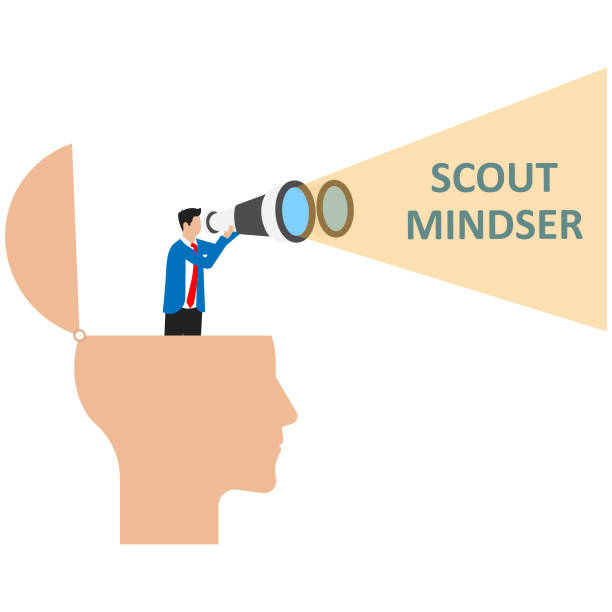
The Scout Mindset, on the other hand, is like a scout operating behind enemy lines — calm, objective, and thorough in gathering information, accurately assessing facts, and seeking the truth. The Scout Mindset asks, “Is this true?” rather than “Do I want it to be true?” It strives to dissect reality, test hypotheses, and dare to question and revise prior beliefs.
Both mindsets have their value: the Soldier Mindset helps maintain self-esteem and social belonging, while the Scout Mindset pushes us closer to facts and more rational judgments. Unfortunately, our default thinking is often the Soldier Mindset because it feels safe and protects our psychological comfort zone. Yet in today’s complex, fast-changing world, only by adopting more Scout Mindset can we truly hold the key to solving problems.
Why Truth Matters Far More Than We Think
The Soldier Mindset filters information through “Is this credible or not?” lens: we quickly accept information we like and vigorously deny what we dislike. At its core, this mode protects psychological safety and supports our self-image but often leads to overlooking facts and fostering bias.
In contrast, the Scout Mindset examines everything through the question “Is this true?” It helps us objectively evaluate information reliability, assess risks, and uncover hidden opportunities. It allows us to transcend personal preferences and social pressures to base decisions on facts, thus responding more effectively to complex realities.
For example, when faced with a health plan, the Soldier Mindset might give in to short-term comfort by skipping exercise or diet, while the Scout Mindset considers long-term health benefits and helps us stick to beneficial habits. Understanding this reveals that truth is not cold fact but a guide toward a better way of living.
Humans’ Instant Gratification Bias and Self-Sabotage
We often know certain choices harm our future yet find it hard to resist immediate temptations — buying a gym membership but avoiding workouts, wanting to lose weight but overeating, procrastinating until the last minute. The root of this lies in “instant gratification bias” — our preference for immediate satisfaction over long-term gain.
Worse, this bias not only affects behavior but also permeates our thinking patterns. The Soldier Mindset offers immediate psychological comfort but at the cost of avoiding truth and distorting cognition. The Scout Mindset requires patience and rationality to face facts, even when the truth is unpleasant.

The Power of the Scout Mindset
Cultivating the Scout Mindset means constantly refining our “map” of reality and strengthening the habit of rational analysis. Even seemingly unrelated thoughts — on international politics or scientific discoveries — can improve judgment and enhance our capacity to handle complex problems.
The Scout Mindset encourages openness to information, willingness to correct mistakes, and courage to explore the unknown, fostering personal growth and societal progress. Only by reducing the influence of the Soldier Mindset can we shed bias, overcome motivated reasoning, and make truly beneficial decisions.
Identifying and Challenging Your Biases
Our brains excel at “motivated selection” — unconsciously choosing information favorable to ourselves, like a magician cleverly manipulating the audience. This motivated reasoning tricks us into thinking we are objective and fair, while in fact we deceive ourselves.
To break this limitation, several effective thought tests can help:
- Double Standard Test: Do I apply the same standards to myself and others?
- Outsider Perspective Test: How would a third party view this issue?
- Consistency of Tolerance Test: If I disagree with a view, am I equally tolerant toward those holding the opposite?
- Selective Skepticism Test: If evidence supports the opposing side, am I still willing to believe it?
- Status Quo Bias Test: Am I maintaining the current state merely out of fear of change?
Through these tests, we can gradually peel away unconscious biases and move toward a more rational mindset.
Developing the Habit of the Scout Mindset
Changing thinking is not instant but a habit formed through continuous practice. Here are some practical tips:
- Recognize Biases: Before deciding, actively consider which biases might influence your judgment and test with the above thought experiments.
- Question Certainty: Be skeptical of absolute statements like “I’m sure” or “We can never.”
- Face Concerns: When worried, create concrete action plans rather than avoiding the issue.
- Seek Dissenting Views: Intentionally engage with rational people or sources holding different opinions to broaden your perspective.
- Understand Others’ Behavior: When others seem “irrational,” try to understand the reasons behind their actions.
- Update Beliefs Promptly: When confronted with strong counter-evidence, be brave enough to revise your views.
- Reflect and Share: Share changes in your thinking with others to foster mutual growth.
- Opposing Viewpoint Test: Try to think from opposing positions to strengthen mental flexibility.
Most importantly, learn to spot your motivated reasoning each time it occurs and celebrate your progress.
Tolerance and Growth: Embracing Our True Nature
Human evolution has wired our brains to protect self and group interests rather than pure scientific rationality. Thus, the Soldier Mindset is deeply ingrained and hard to overcome. Being tolerant of your own and others’ mistakes, understanding this natural tendency, helps reduce inner conflicts.
History offers many exemplars — Jerry Taylor, Joshua Harris, Bethany Brookshire — who courageously questioned their beliefs, pursued truth, and achieved cognitive transformation. Their stories show that change is not impossible but worth striving for.
: Become a Better Scout
We are not perfect beings, but through learning and practice, we can gradually lessen the Soldier Mindset’s influence and adopt more Scout Mindset. In doing so, we not only see the truth more clearly but also make more rational, beneficial decisions for ourselves and society.
Let us embrace the spirit of the scout: stay curious and cautious, resolutely pursue facts and truth, and become the better selves we aspire to be.