
In South Korea, where educational competition is extraordinarily intense, how do top students stand out amidst the cutthroat pressure and master the secrets to high scores? This article will thoroughly analyze the scientifically backed study methods they commonly use—from learning principles, review techniques, and focus strategies, to memory mechanisms aligned with brain function, and even how physical exercise boosts brain efficiency. This comprehensive guide unveils the self-study secrets of Korea’s top achievers, helping you find the truly effective study path that suits you.
1. Basic Learning Principles: Attentive Listening and Timely Review
The first common trait of top students is “100% focus in class.” Whether it’s history, math, English, or even subjects that seem boring or difficult, you must pay full attention and carefully listen to the teacher. Take good notes and mark important points following the teacher’s cues—no distractions allowed. The classroom is the primary source of knowledge; only by seriously absorbing can later reviews be meaningful.
The second principle is “immediate review after class.” The moment the class ends, many students rush to close their books and leave, but real top students use the precious five minutes to do their first review. Reviewing is not rote memorization, but a quick scan with understanding to deepen impressions. If the break is too short, use lunch or after-school time to complete this step. Science proves that the sooner you do your first review, the better your memory retention.
2. Systematic Review: Three-Stage Review Cycle
Top students don’t treat review as a single act but follow a strict review schedule:
- First review: Immediately after class, using break or lunch time to quickly reinforce that day’s lessons.
- Second review: Every evening, review all the day’s content to strengthen memory.
- Third review: On weekends, do a comprehensive review of the week’s subjects to clarify the knowledge framework and fill gaps.
This review plan ensures information is repeatedly consolidated in the brain, preventing forgetting and gradually forming long-term memory.
3. From “Can Do” to “Will Do”: Three-Stage Learning Cycle

Learning essentially involves three indispensable stages:
- Reading: Actively read textbooks or notes to understand content.
- Memorizing: Repeatedly memorize key points to reinforce memory traces.
- Confirming: Test mastery through exercises, recitations, or assessments.
Only when you smoothly pass through these three stages and “can do it” will you gain confidence and a sense of achievement. Korean students have heavy homework loads, and top students emphasize completing these steps independently rather than relying on tutors or others.
4. Deliberate Practice and Growth Zone: Identifying and Overcoming Weaknesses
Effective learning is not just passive listening or repeated reading but focused breakthroughs on difficult parts. This requires top students to have “deliberate practice” awareness:
- Build an overall knowledge framework through class and reading.
- Identify points that are hard to understand, memorize, or frequently mistaken.
- Train repeatedly on these weak spots until fully mastered.
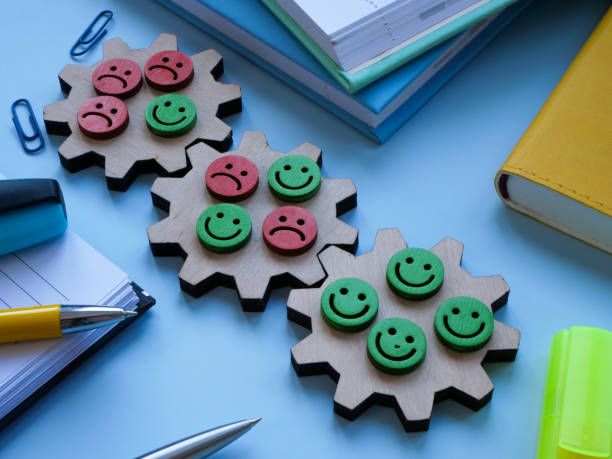
Psychologist Noel Tich classifies learning behavior into “comfort zone,” “growth zone,” and “panic zone.” Top students spend most of their time in the growth zone—areas that can be mastered with effort—while avoiding getting stuck in the comfort zone or panicking in the panic zone. This approach leads to continuous progress.
5. Feedback Mechanism: Self-Testing and Correction in Learning
Timely and effective feedback is essential for learning. Top students check their progress by:
- Completing practice questions and mock exams to find weaknesses.
- Reciting aloud and covering answers to verify memory accuracy.
- Listening to teacher feedback and accepting criticism and advice.
Constant feedback allows timely error correction and greatly improves learning efficiency. The repeated “reading—memorizing—confirming” forms a positive cycle, steadily boosting competence.
6. The Science of Memory: Neurons, Synapses, and Myelin
Memory formation in the brain involves physical changes between neurons. During learning, neurons form synapses, strengthening connections and speeding signal transmission; repeated study thickens the myelin sheath around neurons, dramatically enhancing transmission speed.
Therefore, learners should:
- Precisely understand knowledge without superficial effort.
- Repeat practice multiple times to form stable neural connections.
- Actively think about links and relationships to deepen memory.
Only learning that follows the brain’s natural working rules can become long-term memory, avoiding inefficient last-minute cramming.
7. Focus is Key: Active Reading to Engage the Brain
Reading requires concentration and active brain engagement. For every passage, ask yourself: “Do I understand this? How does it relate to what I already know?” This active reading turns passive intake into deep processing.
For example, a top student preparing for the judicial exam links statutes, cases, and theories into their own knowledge network instead of mechanically memorizing isolated points. Real learning builds a personal knowledge system rather than simple rote input.
8. Exercise and Learning Efficiency
Interestingly, Korean parents and top students value physical exercise highly. Studies show:
- Exercise increases oxygen and nutrient supply to the brain, boosting mental vitality.
- Exercise stimulates neurotransmitter release, enhancing neuron communication.
- Exercise promotes neuron growth and synapse formation, expanding brain storage capacity.
A large U.S. study on millions of students found those with better physical fitness tend to perform better academically. Exercise is not only for health but a secret weapon for unlocking learning potential.
9. : Build Your Own Efficient Learning System with Science
Top students’ success is not accidental but follows scientific learning laws:
- Fully focus in class and take good notes.
- Conduct multiple timely reviews in a stepwise manner.
- Identify your growth zone and deliberately practice weak content.
- Actively seek and use feedback to adjust strategies.
- Understand and leverage brain memory principles to boost retention.
- Maintain high concentration and think critically about knowledge connections.
- Keep regular exercise to stimulate brain power.
No matter whether you are in South Korea’s competitive educational environment or elsewhere, mastering these methods tailored to your situation can make anyone their own top student.
If you want high scores and strong self-study skills, start now with this scientific, efficient learning approach and truly realize, “I can do it too!”