
Healthy eating is not just about what you eat, but more importantly how you eat—especially the everyday ingredients we rely on. This article dives deep into the truths and practical tips about 21 common food categories, helping you eat more scientifically and healthily.
Five Core Truths About Fruits
Fruits are nature’s sweet gifts, yet many people misunderstand how to choose and eat them. Here are five key points about fruit:
- Variety is Key; Eat the Skin When Possible for More Nutrition
Try to eat a diverse range of natural fruits. Their colors and textures not only please the palate but also provide different nutrients. Many fruit skins, like those of apples and pears, are rich in fiber and antioxidants. It’s best to eat them with the skin after thoroughly washing. - Don’t Blindly Trust “Superberries” Claims
“Superberries” on the market don’t have significantly different nutrition. All berries are rich in polyphenols and dietary fiber, making them excellent additions to your diet. Blackberries, blueberries, and strawberries are all great antioxidant-rich foods. - Choose Rare and Different Textured Fruits for Flavor and Nutrition Diversity
Fruit varieties worldwide are becoming less diverse. Trying less common fruits such as Rosa roxburghii (chili rose), red-fleshed dragon fruit, and longan can enrich your taste experience and provide a wider range of nutrients. - Frozen Fruits and Dried Fruits Retain Nutritional Value but Watch Portions
Frozen and dried fruits are convenient and reduce waste while preserving fiber and polyphenols. However, dried fruits are high in sugar and can cause blood sugar spikes if overeaten. Smoothies and mixed drinks with fruit should also be consumed moderately. - Understand Origin, Seasonality, and Environmental Impact of Fruits
When selecting fruits, consider their origin and harvest season. Choosing local, in-season fruits maximizes nutrition. Also, support sustainably grown fruits to help protect the environment.

Five Golden Rules for Vegetables
Vegetables are the foundation of healthy eating, packed with nutrition beneath their vibrant colors and rich flavors:
- Most Vegetables Benefit Health, Especially Colorful and Bitter Ones
Dark leafy and bitter vegetables like chicory, kale, spinach, and onions are rich in polyphenols and antioxidants. - Maintain Variety; Eat Different Vegetables Regularly
Consume various vegetables weekly to ensure intake of diverse nutrients and support gut microbiota health. - Vegetables Provide Polyphenols and Fiber to Maintain Gut Balance
Dietary fiber promotes digestion; polyphenols enhance gut microbial diversity and anti-inflammatory effects. - Cooking Method Affects Nutrient Release; Healthy Cooking Improves Absorption
Light steaming is best to avoid nutrient loss. Cooking with healthy fats (olive or flaxseed oil) or fermenting vegetables boosts nutritional benefits. - Beware Marketing Traps of Expensive Rare Vegetables
High-priced rare vegetables are not necessarily healthier than common ones. Choose wisely.
Five Health Secrets of Legumes
Legumes are key plant protein sources and environmentally friendly:
- Include Legumes Daily for Protein and Fiber
Eat peanuts for breakfast, add lentils, peas, or soybeans for lunch and dinner to maintain fullness and stable blood sugar. - Pregnant and Breastfeeding Women Should Eat More Peanuts to Lower Baby Allergy Risks
Peanuts provide quality protein and essential fatty acids, boosting immunity and reducing childhood allergies. - Make Homemade Hummus for a Healthy, Smooth Snack
Mix canned chickpeas with tahini, garlic, olive oil, and lemon juice for a quick protein-rich treat. - Dry Beans, Canned Beans, and Frozen Beans Are All Good Choices with Proper Cooking
They retain nutrients well and are convenient for storage and use. - Legume Proteins Are Eco-Friendly, Sustainable Alternatives to Animal Proteins
Chickpeas, lentils, soy, and peas offer diverse protein options for balanced diets.
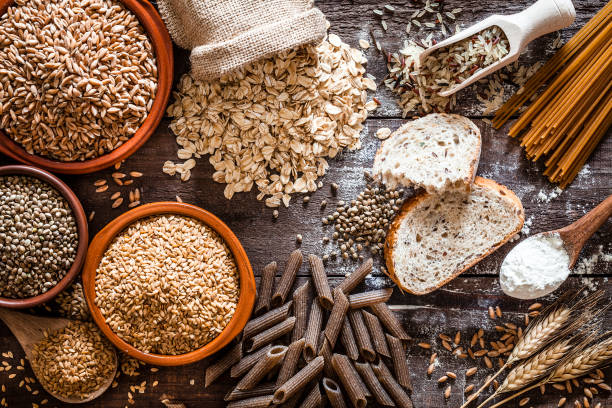
Five Nutritional Truths About Grains and Cereals
Grains are staple foods; proper choices affect health:
- No Need to Avoid Gluten Unless You Have Celiac Disease
Gluten-free diets may reduce gut microbiota diversity and are not recommended without medical necessity. - Oats and Barley Are Exemplary Sources of Beta-Glucan Fiber
Steel-cut oats and barley are particularly healthy. - Avoid Refined Grains; Prefer Whole Grains
Refined grains lose much fiber and nutrients. Whole grains like corn, bulgur, and rye are healthier. - Be Wary of “Superfood” Grain Marketing; Choose Reasonably
Grains are nutritious but avoid hype and focus on variety. - Diverse Traditional Grains Promote Gut Health and Overall Wellness
Barley, rye, buckwheat, and others enrich gut microbiota and health.
Five Rice Eating Tips
Rice is a staple in Asia; mindful consumption is key:
- Brown Rice Is More Nutritious and Easier to Cook Than Highly Processed Rice
It retains more nutrients. - Brown Rice Has More Fiber and a More Stable Blood Sugar Response Than White Rice
Better suited for diabetics. - Italian Risotto is a Great Vehicle for Healthy Vegetables
Tomato-based sauces with varied vegetables are both tasty and nutritious. - Eat Rice in Moderation with Plenty of Plant Foods for Balanced Meals
Excessive rice intake can cause weight gain and blood sugar spikes. - Softer, Stickier Rice Increases Blood Sugar Load; Sensitive People Should Watch
Choose rice texture wisely.
Five Healthy Observations About Pasta
- Durum Wheat Pasta Has Higher Protein Content
A quality plant protein source. - Avoid Highly Processed, Quick-Cook Pasta; Choose Whole Grain Options
Quick cooking raises glycemic index; whole grain bulgur is preferred. - Ingredients Affect Blood Sugar; Starchy Pasta Spikes It Faster
Buckwheat, wheat, and starch-based pasta vary in texture and glycemic impact. - Pasta Can Be Healthy When Paired with Vegetable-rich Sauces
Vegetable sauces boost nutrition and flavor. - Chickpea, Buckwheat, and Lentil Pasta Are Eco-Friendly and Healthy Alternatives
Cooking time and temperature need attention.
Five Bread Selection Principles
Bread provides fiber and protein but can spike blood sugar. Balance nutrition and glycemic impact when choosing:
- Supermarket Bread Often Is Frozen and Reheated, Quality May Vary
Try to buy fresh or homemade bread. - Rye and Whole Grain Yeast-fermented Bread Is Healthier
Lower blood sugar response than white bread. - Toasting and Fermentation Improve Flavor and Health Benefits
Yeast fermentation produces prebiotics. - People with High Blood Sugar Should Watch Bread Intake and Types
Choose low-GI bread.
Five Truths About Milk and Dairy
- Milk Contains Key Nutrients Like Protein and Calcium, Beneficial for Bones
- Lactose Intolerance Is Common, But Fermented Dairy Is Easier to Digest
Yogurt and cheese contain less lactose. - Little Nutritional Difference Between Full-fat and Low-fat Dairy
Moderate saturated fat intake. - Milk Is Not Essential; Plant-based Milks Suit Lactose Intolerant, But Choose Unsweetened and Ensure Calcium
- Pasture-raised or Organic Milk Reduces Hormone and Antibiotic Residues
Safer and healthier.
The Five Key Nutritional Secrets of Nuts and Seeds
- Nuts are rich in high-quality fats and proteins.
Examples like walnuts, almonds, cashews, and hazelnuts contain abundant unsaturated fatty acids beneficial for cardiovascular health. - Daily moderate nut intake helps reduce chronic disease risk.
Recommended daily amount is about 20-30 grams; excessive intake may lead to calorie surplus. - Raw nuts and roasted nuts have similar nutrition, but avoid added salt and frying.
Choose unsalted, additive-free natural nuts whenever possible. - Seeds such as flaxseeds and chia seeds are rich in dietary fiber and omega-3 fatty acids.
They support gut health and have anti-inflammatory effects. - Nuts and seeds serve as healthy snacks and cooking ingredients.
Pair with salads, yogurt, or baked goods to enhance taste and nutritional density.
The Five Key Health Points of Eggs
- Eggs are an excellent source of high-quality protein and multiple vitamins and minerals, including vitamin B12, choline, and selenium.
- Moderate egg consumption is safe for most people.
Recent studies show 1-2 eggs per day do not significantly increase cardiovascular risk. - Choose free-range or organic eggs for better nutrition and taste.
They contain higher levels of omega-3 fatty acids and antioxidants. - Avoid overcooking, especially the yolk.
Moderately cooked or poached eggs retain nutrients better. - Eating eggs with a variety of vegetables improves nutritional balance.
Making vegetable omelets or scrambled eggs is preferable.
The Five Nutritional Highlights of Seafood
- Sea fish provides high-quality protein and rich EPA/DHA unsaturated fatty acids.
These promote heart, brain, and vascular health. - Shrimp and shellfish are rich in trace elements such as zinc, iodine, and selenium.
These nutrients are vital for immune function and thyroid health. - Pay attention to seafood freshness to avoid heavy metals and pollutants.
Purchase from trusted sources and avoid excessive consumption of large predatory fish. - Cooking methods affect nutrient retention.
Steaming, boiling, or light grilling is healthier than frying. - Moderate seafood consumption helps balance fatty acid ratios.
Eating seafood 2-3 times per week is a reasonable frequency.
The Five Meat Consumption Guidelines
- Prefer lean meats and poultry to reduce fat intake.
Examples include chicken breast, lean beef, and lean pork. - Consume red meat in moderation and avoid excessive processed meat.
The WHO recommends reducing intake of cured and smoked meats to lower cancer risk. - Meat is an important source of high-quality protein, iron, and zinc.
Moderate red meat intake benefits people with iron-deficiency anemia. - Healthy cooking methods such as steaming, boiling, or roasting are preferred over frying or grilling.
This reduces carcinogen and harmful compound formation. - Choose meat without antibiotics and hormone additives.
Green farming and organic meat are safer and more environmentally friendly.
The Five Nutritional Advantages of Soy Products
- Tofu, soy milk, and natto are rich in plant-based protein.
They are good alternatives for vegetarians and those reducing animal protein intake. - Fermented soy products contain probiotics that support gut health.
They promote nutrient absorption and immune regulation. - Soy products are rich in isoflavones with antioxidant and hormone-modulating potential.
They help alleviate menopausal symptoms. - Suitable for diverse cooking methods: cold dishes, stir-frying, stewing.
Versatile and convenient. - Choose pure soy products without preservatives or added flavorings.
Maintain health benefits.
The Five Nutritional Tips for Tubers and Root Vegetables
- Sweet potatoes and purple sweet potatoes are rich in antioxidants and dietary fiber.
They aid blood sugar stability and gut health. - Potatoes are a quality carbohydrate source, but cooking methods impact health effects.
Boiling or steaming is better than frying or baking. - Consume tubers moderately to avoid excessive carbohydrate intake that leads to obesity and blood sugar issues.
Combine with low-GI foods for best results. - Root vegetables are rich in minerals and vitamins, essential for a balanced diet.
Examples include carrots and beets. - Eat a variety of root vegetables regularly to ensure nutritional diversity.
Rotate different types weekly to avoid monotony.
The Five Health Values of Mushrooms
- Mushrooms are rich in polysaccharides, vitamin D, and minerals.
They support immune regulation and have anti-inflammatory effects. - Mushrooms have relatively high protein content and are a good plant protein source.
Suitable for vegetarians. - Consuming a variety of mushrooms enhances nutritional completeness.
Examples include shiitake, oyster, enoki, and button mushrooms. - Avoid overcooking mushrooms to preserve texture and nutrients.
Quick stir-frying or stewing works well. - Mushrooms are great as main ingredients in soups and salads.
They enhance flavor and nutrition.
The Five Health Contributions of Aquatic Plants (Seaweed)
- Seaweed is rich in iodine, calcium, and dietary fiber.
Supports thyroid and bone health. - Polysaccharides in seaweed promote growth of beneficial gut bacteria.
Improves intestinal ecology. - Common seaweeds like nori, wakame, and kelp each have unique benefits.
Suitable for diverse pairings. - Monitor seaweed intake to avoid excessive iodine consumption.
Especially important for people with thyroid disorders. - Seaweed can be added to soups, salads, and stir-fries for extra flavor and nutrition.
Easy and convenient.
The Five Seasoning Selection Tips
- Prefer naturally fermented soy sauce, vinegar, etc.
Avoid industrial seasonings with additives and preservatives. - Control salt intake; low-sodium salt is healthier.
Helps reduce hypertension risk. - Herbs and spices are healthy flavor enhancers.
Examples: ginger, garlic, chili, rosemary, cinnamon. - Avoid artificial additives like MSG.
Excessive long-term use may harm health. - Use seasonings in moderation to avoid excessive saltiness or sweetness.
Balance flavor with health.