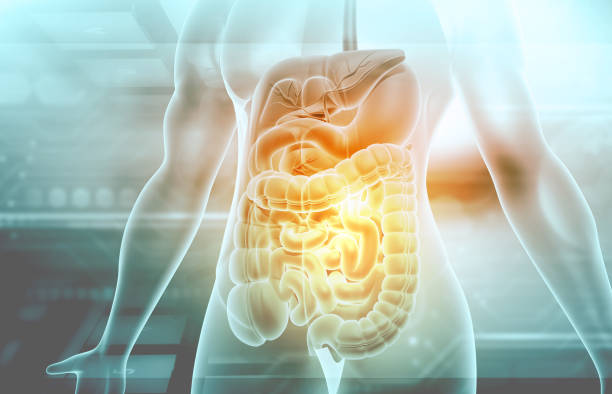
Modern medicine is placing increasing emphasis on a core idea: the gut is not just a digestive organ—it’s the command center of your overall health.
Do you often feel tired, emotionally low, constipated, or out of control around food? These could be warning signs of a disrupted gut microbiome.
This guide will break down how daily habits—such as diet, sleep, routines, and mental well-being—impact your gut ecosystem. By restoring balance between your gut and brain, you can feel lighter, healthier, and cultivate a naturally slim and energetic body from the inside out.
1. The Gut Is More Than a Digestive Organ—It’s the Headquarters of Immunity and Health
You might not realize this, but over 70% of the body’s immune cells reside in the gut. That makes your gut the frontline defense against harmful invaders—and its condition directly affects how often you get sick.
When the gut microbiota becomes imbalanced and its protective barrier weakens, you may experience:
- Frequent colds or infections (like gastroenteritis)
- Digestive issues (such as constipation or diarrhea)
- Skin flare-ups (like acne, eczema, or rough patches)
- Oral and gum problems (like bad breath or periodontal disease)
- Heightened allergic reactions (nasal allergies, asthma, rashes)
- Even an increased risk of certain cancers
A healthy gut is your body’s moat—its line of defense against disease. It regulates immune responses, repairs damaged cells, reduces chronic inflammation, and keeps your entire system running efficiently.
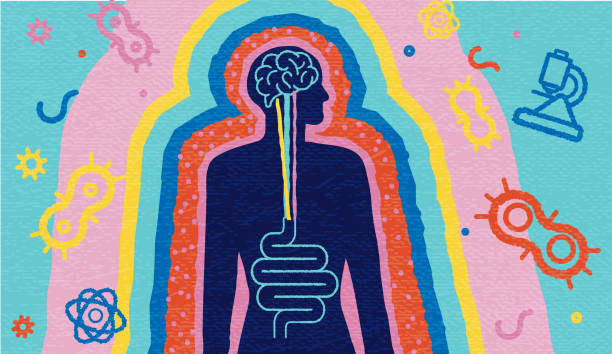
2. Your Gut Has “Emotions” Too—How Microbes Affect Mood and Weight Control
Recent research shows the gut is deeply connected to the brain, earning it the nickname: “the second brain.” One major reason is its ability to produce serotonin, the “happy hormone.”
Surprisingly, around 80% of serotonin is produced in the gut—not the brain. This means:
- Low serotonin levels are linked to anxiety, irritability, depression, and emotional instability
- Healthy serotonin levels improve your mood and suppress appetite, helping you avoid emotional eating
- Serotonin also stimulates bowel movement, relieving constipation
In other words, a healthy gut doesn’t just improve your digestion—it stabilizes your mood, enhances motivation, and plays a hidden but powerful role in weight management.
Studies show that people with depression often have fewer beneficial gut bacteria like Bifidobacteria, along with constipation and signs of dysbiosis. This supports the gut-brain axis theory—improving gut health is a foundational step in improving mental well-being.
3. The Two Most Crucial Times of Day to Support Gut Health
Your lifestyle directly affects your gut, and two time windows are especially critical: right after waking up and before going to bed.
Morning: Wake Up Your Gut, Nervous System, and Metabolism
- Soak in morning sunlight: It activates the pineal gland, jumpstarting serotonin production—a natural wake-up call for body and mind
- Practice deep breathing or light exercise: Extend your exhales to stimulate the parasympathetic nervous system, prompting the gut to move
- Do 5–10 minutes of gentle walking or stretching: This gently ramps up metabolism and gets your bowels ready to move
- Eat a nourishing breakfast: This triggers the gastrocolic reflex, promoting bowel movements and setting a positive tone for the day
Evening: Calm Your Gut for Nighttime Repair and Detox
- Eat dinner early: Ideally, finish your last meal 4 hours before bed so the gut can empty before sleep
- Relax the body and mind: Warm foot baths, gentle stretching, or soft music can help activate the parasympathetic nervous system
- Avoid bright lights and screen time: Blue light suppresses melatonin, disrupts sleep cycles, and can impair gut rhythm
4. Why Sleep Quality Is a Key Regulator of Gut Rhythm
Never underestimate the power of sleep on gut health—it’s as important as what you eat.
Chronic sleep deprivation overstimulates the sympathetic nervous system, suppresses gut movement, and can lead to constipation, cravings, indigestion, and even systemic inflammation.
Signs your sleep may be harming your gut:
- No bowel movement in the morning or difficulty passing stool
- Frequent bloating or irregular appetite
- Fatigue, irritability, and low motivation
- Ongoing digestive discomfort or IBS symptoms
For optimal gut function, aim for at least 7 hours of quality sleep per night, and stick to a consistent sleep-wake schedule. This is one of the simplest yet most powerful tools to support your inner ecosystem.
5. Eating for Gut Health: Fiber and Food Diversity Are the Keys
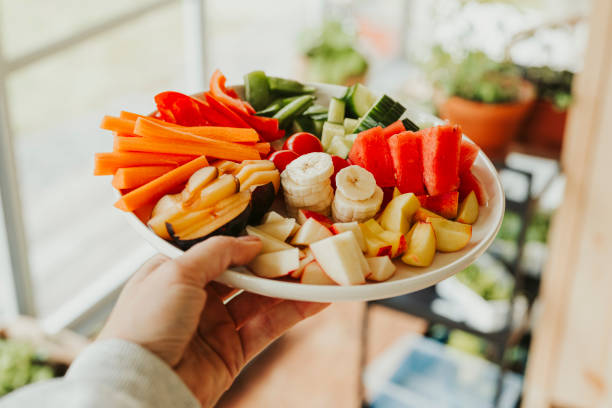
When it comes to nurturing the gut, diet is always priority number one. Two key principles:
- Eat more dietary fiber
- Include a diverse variety of whole foods
Why is fiber so essential?
Though indigestible by our bodies, fiber is the primary food source for beneficial gut microbes, such as Lactobacillus and Bifidobacteria.
- It fuels the production of short-chain fatty acids (like butyrate), which fortify the gut lining
- It forms soft, bulky stool by binding water and waste, making bowel movements smoother
- It maintains a healthy pH level in the colon, deterring harmful bacteria
Top fiber-rich foods to eat daily:
- Whole grains (oats, brown rice, buckwheat)
- Legumes (soybeans, lentils, chickpeas)
- Dark leafy greens (spinach, kale, celery)
- Root vegetables (sweet potatoes, carrots, yams)
- Fruits (apples, kiwis, bananas)
Pro tip: Aim for 25–30 grams of fiber per day. One bowl of oatmeal, a salad, and a banana easily gets you there.
6. Natural Remedies for Constipation and Diarrhea
Constipation: Calm the Nervous System
Many cases of constipation stem from sympathetic overdrive—the nervous system’s fight-or-flight mode suppresses digestion.
How to reset:
- Practice slow breathing, apply heat to the abdomen, or meditate
- Try gentle abdominal massage (clockwise motion)
- Drink warm water or have yogurt/coffee in the morning to trigger bowel movement reflexes
Diarrhea: Focus on Restoring Microbial Balance
Frequent diarrhea may signal a weakened gut barrier and overgrowth of harmful microbes.
Solutions:
- Consume probiotics and fermented foods (like yogurt, kimchi, or miso)
- Avoid irritating foods (spicy, oily, raw, or cold)
- Eat warming, gentle foods like rice porridge or pumpkin soup
7. Boost Morning Bowel Movements with the “Big Wave Reflex”
Did you know the best time for a natural bowel movement is right after your first bite of breakfast?
Here’s why: when food enters an empty stomach, it triggers the gastrocolic reflex—a wave of powerful intestinal contractions (up to 200x stronger than usual) that propels stool into the rectum.
To activate this reflex:
- Eat dinner early—at least 8 hours before breakfast
- Never skip breakfast—even a slice of whole grain toast is enough
- Create a consistent “morning ritual”: sunlight → warm water → breakfast → toilet
8. In A Healthy Gut = Lean Body + Strong Immunity + Stable Mood
In a world full of stressors and environmental toxins, investing in gut health is one of the most cost-effective and powerful ways to transform your life.
Start with these fundamentals:
- Prioritize a high-fiber, diverse diet and limit processed foods
- Maintain a consistent sleep routine—ditch the late nights
- Align your morning and nighttime routines with your body’s natural rhythms
- Manage stress to keep your gut’s nervous system in rest-and-digest mode
By doing so, you’ll awaken your body’s natural metabolism, shake off physical heaviness, and build a resilient, radiant, and effortlessly slim body that reflects vibrant internal health.