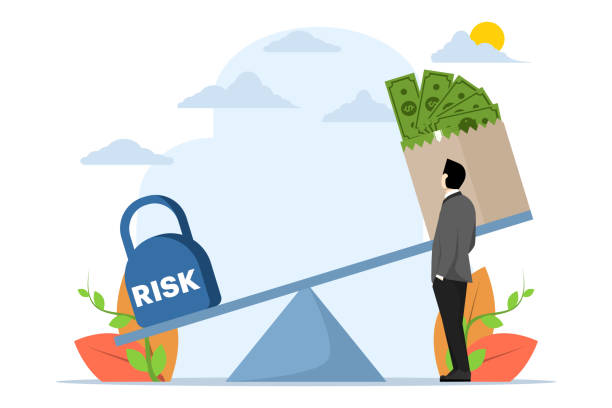
Whether you’re just stepping into the workforce or have already accumulated some wealth, the wisdom of managing and spending money is a lifelong essential to learn. Earning money is important, but what matters more is how to use money to improve your life — how to spend wisely and happily, and build a lifetime of financial freedom and happiness. Today, I’ll help you reshape your “money mindset” through five core points so you can find the best balance between earning and spending.
1. Earning Money Is Just the First Step; Knowing How to Spend It Well Is the Real Skill
There’s a saying: “Making money is not as good as knowing how to spend it.” This doesn’t mean encouraging extravagance, but rather emphasizing that money’s true value lies in the quality of life and joy it brings us. Money is a tool — used correctly, it can extract the greatest happiness from every penny.
We often focus only on savings and asset size, neglecting the experiences and feelings money can provide. Smart spending means investing in what boosts happiness and life quality, rather than endlessly accumulating material things.
2. Five Key Wealth-Building Principles to Create a Lifelong Financial Happiness Blueprint

1. Avoid Comparison; Focus on Your Own Financial Plan
Comparing yourself to others brings anxiety and dissatisfaction, leading to the “scarcity illusion.” Studies show happiness comes from relative wealth comparison — the more you focus on what others have, the less happy you feel. Concentrate on your own goals; this is the real key to financial freedom.
2. Avoid Long Commutes
Commute time inversely correlates with happiness. Long daily commutes reduce life satisfaction, harm close relationships, and even increase divorce risk. Choose where you live and work to minimize commuting, making life easier and more relaxed.
3. Avoid Over-Spending Beyond Your Means; Plan for Tomorrow
Overspending today by borrowing against future income creates financial stress and sharply reduces happiness. A sound financial plan balances present life and future security, avoiding the trap of “living for today” at the expense of long-term well-being.
4. Invest in Life Experiences; Non-Material Wealth Lasts Longer
The joy from buying things fades quickly, but spending on travel, learning, and social experiences deepens happiness over time. Experiences turn into memories and stories that accompany us lifelong, far more valuable than simply owning objects.
5. Use the “4% Rule” for Investing and Build a Diversified Portfolio
Financial management isn’t just saving money — it’s also about asset allocation and risk control. By diversifying investments across stocks, bonds, real estate, and more, and applying the “4% rule” to ensure steady cash flow after retirement, you can achieve true financial freedom and lasting happiness.
3. Money and Happiness: How to Understand Their Relationship Correctly
Money Can Buy Happiness, But There’s a “Ceiling”
Research shows the daily happiness of Americans caps at about $75,000 annual income (around 500,000 RMB), and similar figures appear globally. Before this threshold, more income does bring more daily happiness, but beyond it, extra income has limited effect on joy.
Happiness Comes from Health, Social Connections, and Freedom
Though money matters, health, good relationships, and life autonomy impact happiness more. High earners often face more stress, longer work hours, and less family or friend time, lowering their happiness.
The Life Happiness Curve Is U-Shaped
Happiness declines from the 20s to 30s, hits a low in the 40s, then gradually rises again, with old age potentially being the happiest stage. Understanding this helps us view wealth and life more rationally.

4. Three Major “Spending Pitfalls”—Have You Fallen for Them?
Pitfall 1: Over-Focusing on “Relative Scarcity”
Happiness is easily affected by wealthier people around you, causing dissatisfaction. The right mindset is to focus on your own finances, set reasonable goals, and avoid endless comparison.
Pitfall 2: Ignoring the Negative Impact of Commute Time
Long commutes drain energy, harm mental health and family ties. Prioritize living closer to work or consider flexible work arrangements to reduce commute stress.
Pitfall 3: Overvaluing Material Possessions While Neglecting Experience Value
Material wealth quickly adapts, and the joy fades. In contrast, spending on experiences and memories provides lasting pleasure and promotes social bonds and psychological satisfaction.
5. The Complex Relationship Between Raising Children and Happiness
Research results vary on whether children increase happiness. Pew studies show married people overall report higher happiness than singles, but having children impacts happiness differently for each individual.
While raising kids brings stress and challenges, it also strengthens family bonds, social engagement, and enriches life experience. Understanding this helps parents approach parenthood with a balanced mindset.
6. How to Use Money to Buy Real Happiness?
1. Spend More on Others
Spending money on others often produces stronger happiness than spending on yourself. Helping others activates feelings of fulfillment and belonging — key sources of happiness.
2. Small Frequent Purchases Beat Occasional Big Spends
Accumulating many small joys creates more sustained happiness than rare luxury splurges.
3. Delay Gratification Moderately
Postponing consumption creates anticipation, and the expectation itself is a form of happiness.
4. Spend on Things You Love and Are Good At
When we choose freely and our abilities match the activity, whether work or leisure, it brings deep happiness.
5. Invest in Relationships and Time
Spending money and time with loved ones to create beautiful memories is the greatest gift wealth can give.
7. New Financial Thinking for the Longevity Era
With medical advances, many will live into their 90s or beyond. Longevity brings new financial challenges and opportunities:
- Plan early and save early: The earlier you start investing, the more you benefit from compounding, ensuring worry-free retirement.
- Enjoy your free time: Wealth accumulation gives you more choices to focus on what you love.
- Stick to long-term investing: High-risk assets like stocks suit long-term holding and should be properly allocated.
- Consider longevity risk: Don’t underestimate lifespan in your budget to avoid retirement fund shortages.
8. Flow and Happiness: Doing What You Love Is the True Wealth
Chasing “flow”—being fully immersed in activities you enjoy and excel at—is key to deep happiness. Compared to material goals, the satisfaction from involvement and growth lasts longer.
Work is not only a means to earn money but also a way to realize self-worth and gain accomplishment. Find a career that fuels your passion, and you’ll achieve both wealth and happiness.
: Start with Financial Management and Move Toward a Happy Life
Earning money is only part of life; learning how to create joy with money is true wealth. Plan your finances wisely, avoid the three major pitfalls, value experiences and relationships, and actively face the challenges of longevity to truly achieve financial freedom and well-being.
Remember:
- Money is a tool; happiness is the goal
- Wise spending determines life quality
- Start early, manage money scientifically, and keep growing
- Invest in experiences, cherish relationships, and embrace freedom
Wishing you both joyful spending and effortless earning, creating your own continuously happy and brilliant life!