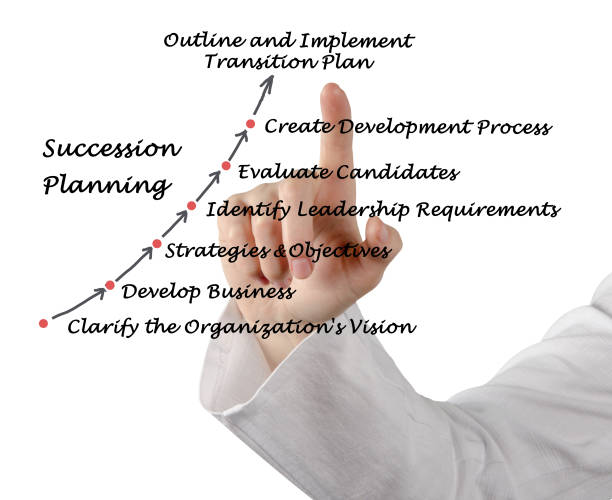
In today’s workplace and project management, balancing efficiency and innovation is the key to success. To truly achieve high-efficiency and creative work, the core lies in organizing work systematically. This means proceduralizing workflows — breaking down complex tasks into clear, logical steps, defining goals precisely, and planning the path reasonably, thereby maximizing the potential of individuals and teams.
This article will delve into how to start from clear goals, plan scientifically, give your brain “blank space” to spark innovation, and ultimately, through team collaboration, drive projects to reach the desired outcomes.
1. Start with Clear Goals: The Foundation of Systematic Work
1.1 The Importance of Goal Setting
No matter how complex a project is, all successful work begins with a clear and specific goal. Vague goals often lead to losing direction and wasting resources. Imagine climbing a mountain without knowing which peak to aim for or constantly changing your path mid-way — the journey becomes futile.
Therefore, work goals must be concrete, feasible, and understood and accepted by everyone involved. This is not only the foundation for smooth project progress but also the primary criterion for judging success or failure.
1.2 Using Imagination to Make Goals Concrete
Making goals concrete relies on imagination—not idle fantasy, but grounded in reality. Using visualization tools to depict goals vividly helps, such as drawing final product mock-ups, creating prototypes, or building simulation scenarios. These help team members grasp the intended outcome intuitively, avoiding misunderstandings.
We should also imagine stakeholders’ reactions once goals are achieved—their words, expressions—which further refines and validates goal design.
1.3 A Long-Term Perspective Deepens Goals
Short-term goals matter, but success depends more on having a long-term vision. Considering how a project affects the next five or even hundred years elevates strategic thinking and prevents shortsightedness and blind execution. A long-term view helps set more comprehensive and cautious goals, inspiring forward-looking creativity.
1.4 Sharing Goals: The Key to Team Synergy
The goal one person understands must be the same goal all team members understand. Through meetings, diagrams, and shared documents, ensure transparency so everyone “sees the same picture,” reducing misunderstandings and fostering cooperation. This is the foundation of an efficient team.
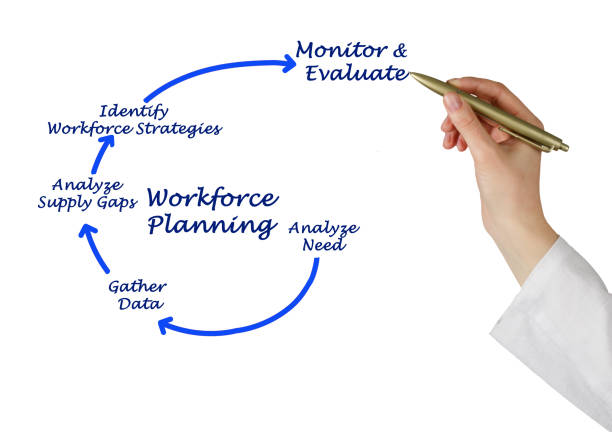
2. Draw a Clear Roadmap: Turning “Goals” into “Paths”
2.1 Proceduralizing Work: From Chaos to Order
All work can essentially be seen as a proceduralized process. For example, a product design project usually involves research, sketching, digital design, prototyping, and refinement; marketing planning follows investigation, direction confirmation, plan writing, illustration, and approval. While details differ, the steps are similar.
Organizing work systematically means identifying and fixing these steps, avoiding “random jumps,” and ensuring each step is completed properly. This not only boosts efficiency but also prevents omissions and rework.
2.2 Examples of Proceduralization in Daily Life
It’s not just work — many life activities follow procedural logic. Renting a house involves needs assessment, house hunting, viewing, negotiation, and signing, each linked sequentially. Cooking, travel planning, and other routines also have fixed steps. Understanding and applying this helps us solve daily problems efficiently and orderly.
2.3 Patterning Problem-Solving
Unexpected events and difficulties inevitably arise at work. We need to pre-pattern common problems and response strategies and integrate them into workflows. This way, no matter the situation, we remain calm and follow “preset plans,” ensuring smooth, orderly progress.
2.4 Ease and Efficiency Brought by Proceduralization
Proceduralizing workflows reduces the mental load of repetitive decisions, freeing energy for innovation and key problem solving. It relieves stress while enhancing work quality and results.
3. Reach Goals via the Shortest Path: Time Management and Efficiency Boost
3.1 Time as the Metric of Work
Without time, work cannot be measured or controlled. Time management is critical in any task. To finish on schedule, quality and timing must be balanced.
3.2 Set Clear Deadlines and Reject Procrastination
Delivering work on time shows professionalism. For vague or deadline-less tasks, proactively set specific due dates to avoid efficiency loss in “time grey zones.”
3.3 Use “Time Boxes”
Whether a quick 3-minute task or a 3-year project, break work into manageable time chunks (“time boxes”) and advance step by step. This avoids time inflation and keeps rhythm.
3.4 Don’t Schedule by Task Difficulty but by Time Required
Schedule based on how long tasks take, not on their perceived difficulty. Understanding workloads and time resources lets you allocate smartly and avoid bottlenecks.
3.5 Combine Flexibility with Strict Process
Plans aren’t rigid — regularly review progress and adjust to ensure high-quality completion within deadlines.
4. Leave Blank Space for the Brain to Spark Innovation
4.1 Relieve Mental Load and Create Inspiration Space
Continuous thinking and memory strain consume brain resources and block creativity. Recording and categorizing ideas promptly prevents mental clutter and frees space for new insights.
4.2 Push Forward Quickly to Avoid Task Backlogs
Procrastination piles up tasks and pressure. Break tasks into small steps, finish quickly, and get feedback from team or clients to accelerate overall progress.
4.3 Focus Attention, Avoid Multitasking
Doing many tasks simultaneously scatters focus and lowers efficiency. Concentrate on one task to enter “flow” state for best results.
4.4 Real-Time Communication with Clients and Teams
Instant communication helps adjust ideas quickly, avoid repeated revisions, and stimulates creative sparks.
5. Team Collaboration: Moving Toward Goals Together
5.1 Break Boundaries, Build Partnerships
Modern work often involves cross-department or cross-company cooperation. Treat external collaborators as team members, communicate honestly, and build trust to enhance efficiency.
5.2 Share Team Goals for Unified Pace
All members, regardless of rank, must share the same goals. Only in full alignment can the team form synergy and advance steadily.
5.3 Clear Division of Labor to Maximize Strengths
Assign tasks rationally based on members’ expertise to avoid duplication and waste.
5.4 Motivation and Feedback
Timely feedback and positive incentives keep morale high and encourage ongoing commitment and improvement.
6. Prepare Thoroughly to Ensure Orderly Work Execution

6.1 Research and Information Advantage
No work succeeds without ample research and data collection. Good preparation is both respect for work and guarantee of efficient execution.
6.2 Curiosity Drives Continuous Learning
Interest and curiosity fuel knowledge growth. Stay passionate, seek knowledge actively, and broaden your horizon.
6.3 Actively “Interview” Clients and Stakeholders
Relying on personal info is insufficient; listen actively to clients and team members to identify key needs and avoid blind spots.
6.4 Preparation Accounts for 90% of Success
Most project success stems from solid preparation. Investing time early ensures smoother, more efficient follow-through.
Proceduralizing workflows, clarifying goals, managing time scientifically, leaving mental space for creativity, and coordinating efficiently as a team are the secrets to systematic work in modern workplaces. Master these core methods, and you won’t just deliver high-quality results on time—you’ll also continuously boost your own and your team’s innovation and competitiveness, ready to meet any challenge and achieve greater breakthroughs.