
In today’s world of information overload and rapid pace, our lives are deeply surrounded by work pressure, social media, and various digital entertainments. Many people feel anxious, exhausted, and unable to calm their minds. Simply chasing efficiency and a faster pace often only traps us in deeper anxiety and confusion. True life wisdom lies in learning how to regain control over your time and attention, find inner peace, and live a more meaningful and fulfilling life.
This guide will take you to understand deeply how “supernormal stimuli” affect the brain in modern life, teach you how to gradually reduce dependence on dopamine stimulation, explore healthier and calmer lifestyles, and ultimately achieve mental stability and happiness.
1. Supernormal Stimuli: The Invisible Shackles of Modern Life
Supernormal stimuli are everywhere in modern digital life, especially on social media and short video platforms. These platforms constantly trigger our brain to release dopamine — a neurotransmitter that makes us feel pleasure and excitement — through highly personalized content recommendations. The surge of dopamine causes us to get addicted to endless content consumption, creating a “digital addiction.”
The brain releases the most dopamine when faced with novel, personalized, and closely relevant information. This makes it harder to stop scrolling; the more you scroll, the more addicted you become. Though the momentary pleasure brings joy, in the long term it distances you from inner peace and brings more anxiety and dissatisfaction.
Three Major Factors Affecting Dopamine Release:
- Novelty: The newer and more stimulating, the greater the brain’s reward;
- Genetics: Differences in dopamine-related genes affect addiction tendencies;
- Salience: How important the stimulus content is to your actual life.
Social media algorithms exploit novelty and salience to precisely push content that activates your dopamine circuits, making it hard to stop.
2. Recognize the “Dopamine Trap”: The First Step to Reduce Dependence
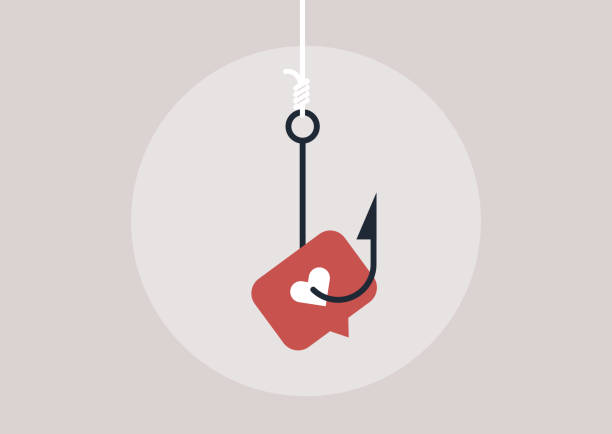
To find inner peace, the first step is realizing your habits are driven by dopamine. Try visualizing your daily activities arranged by stimulation intensity:
- Scrolling short videos, social media, gaming are high dopamine stimulation activities;
- Reading, meditation, walking are low stimulation activities that promote calmness;
- Sleeping, sitting quietly, or even daydreaming are the lowest “zero stimulation” activities.
Carefully examine your daily activity list, identify which ones make your nerves tense and constantly seek stimulation, and which truly bring you peace. By sorting this way, you can find the type of stimulation you truly depend on and start adjusting gradually.
3. Signs of Supernormal Stimuli Dependence: How Many Apply to You?
Here are some common signs of dopamine dependence. Check if you have any:
- Automatically checking your phone or social apps when bored or stressed;
- Unconsciously looking at your phone during meetings or work breaks, hard to focus;
- Feeling desperate to get fresh info after long periods offline;
- Feeling restless or anxious in low-stimulation environments like sitting quietly or being alone.
Once you confirm over-dependence, you can start “stimulation detox,” gradually reducing stimulation levels to restore brain balance.
4. Stimulation Detox: An Effective Way to Regain Calm
Stimulation detox is an exercise in adapting yourself to a lower-stimulation environment. It requires consciously reducing dopamine release, avoiding excessive digital stimulation, allowing your nervous system to rest and reset.
Practical Steps for Stimulation Detox:
- Identify and eliminate distractions
List high-intensity dopamine activities and distractions in your life. Use apps to limit social media use, turn off personalized ads, set time limits on phone apps, and ask friends or partners to help supervise. - Increase varied and meaningful real-world activities
Choose activities that bring lasting satisfaction and calmness, such as reading, exercising, deep conversations with friends, painting, music, gardening. These stimulate balanced neurotransmitter systems and help inner stability. - Set a trial period
Commit at least two weeks to allow your brain to adapt to a low-stimulation environment. Observe changes in mood, focus, and stress levels. - Start each day calmly
Avoid immediately checking your phone in the morning; try reading, drinking tea, meditating, or simple stretching to gently awaken your brain in quietness.
5. Managing Stress and Balancing Dopamine
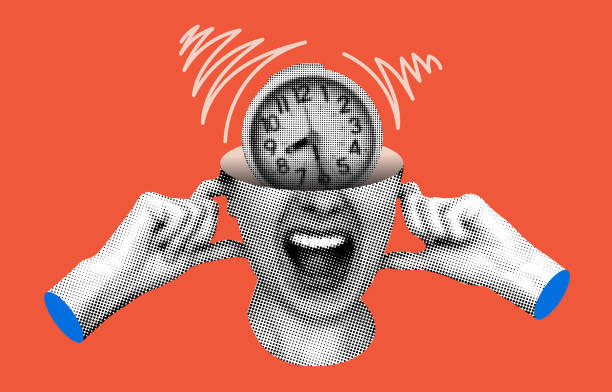
Stress is an ongoing accumulation of inner energy that needs constant release. Excessive digital stimulation and information overload cause stress inflow to far exceed release, pushing us toward burnout. You might have experienced anxiety, exhaustion, and scattered attention.
Building effective stress management strategies is like maintaining a “stress equation”—when stress inflow and release balance, we stay energetic and happy.
While reducing high-intensity stimulation, cultivate habits to relieve stress such as regular exercise, deep breathing, quality sleep, and social interaction.
6. Choose Real Life, Escape the Digital Maze
Our time and attention are split between the real world and the digital world, which offer drastically different brain stimulation. Real life is mostly low stimulation, fostering calmness and satisfaction; digital life is flooded with super-high dopamine stimuli that easily cause disorientation.
Suggestions for you:
- Clearly separate digital and real activities, consciously increase time spent in real life;
- Use a Venn diagram to manage your life, recognizing activities exclusive to online, exclusive to real life, and those possible in both;
- Prioritize real-life activities that make your soul feel fulfilled and meaningful.
7. Long-Term Cultivation of Inner Peace: Patience and Persistence
Gaining inner peace is not overnight; it requires patience and ongoing practice. Your brain needs time to adapt to low-stimulation environments and a calmer rhythm of life. Initial discomfort and restlessness signal your nervous system adjusting.
Over time, you will notice:
- Better focus and improved work efficiency;
- Significant reduction in anxiety and stress;
- Stronger relationships with family and friends;
- A life filled with more genuine joy and meaning.
8. Practical Tips for Calmness
- Turn off personalized ads and notifications on digital devices;
- Schedule intentional “screen-free time” to avoid long electronic interruptions;
- Begin each day with a calm ritual such as sitting quietly, journaling, or yoga;
- Regularly experiment with stimulation detox to give your brain a “digital cleanse”;
- Spend more time outdoors, engaging in artistic creation and social interactions in real life.
In this fast-paced era dominated by intense dopamine stimulation, finding inner peace is a journey of self-cultivation. You need to consciously reduce meaningless stimulation and embrace low-intensity yet profound life experiences. Only then can we truly control our time and attention, living with peace, fulfillment, and happiness.
May you walk this path of inner exploration steadily and lightly.