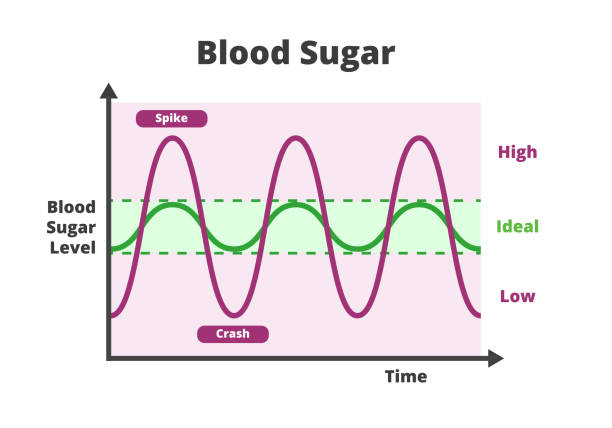
In modern society, more and more people are paying attention to their health, especially blood sugar levels. Jessie Anzospé, a renowned French biochemist famously called the “Glucose Goddess,” points out that many subtle sub-health issues we often overlook are closely related to blood sugar fluctuations in our bodies. Skin problems, mood swings, even weight gain and chronic fatigue can all be signals of blood sugar imbalance. More seriously, ignoring these signals may lead to chronic diseases like type 2 diabetes and polycystic ovary syndrome. So, how can we effectively control blood sugar, especially the often overlooked “glucose peak”? In fact, changing the order in which you eat might be the simplest yet most effective secret for blood sugar control.
Why Is Blood Sugar, Especially Glucose, So Important?
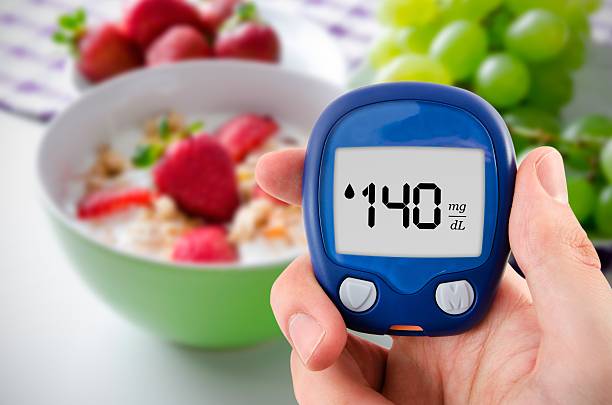
Blood sugar, particularly glucose in the bloodstream, is the body’s main source of energy. It acts like the control stick in a cockpit, directly determining how smoothly the body operates. Changes in glucose levels instantly affect our hunger, mood, and even sleep quality. With the rise of continuous glucose monitors, we can now more precisely track and manage blood sugar fluctuations.
When blood sugar gets out of control, the body sends out alarms: weight gain, hormone imbalances, increased fatigue, excessive appetite, and even skin issues and irritability. Controlling blood sugar, especially avoiding sharp glucose peaks, is the key first step to maintaining good health.
Glucose Peaks: The Invisible Health Threat
Glucose peaks refer to the rapid rise in blood sugar levels shortly after eating. Research shows these dramatic spikes are a major cause of health problems. Let’s break down the specific short-term impacts of glucose peaks:
1. Persistent Hunger — A Vicious Cycle Hard to Break
The higher the glucose peak, the more insulin is secreted, and the body tends to convert excess glucose into fat for storage. Elevated insulin also stimulates the hunger hormone (ghrelin), making us eat more yet still feel hungry. Over time, this cycle makes losing weight very difficult.
2. Blood Sugar Swings Lead to Loss of Appetite Control
When blood sugar drops rapidly — even a modest fall of 20 mg/dL — the brain triggers strong hunger signals, especially cravings for high-calorie foods. This explains why we often binge in the afternoon or after dinner.
3. Chronic Fatigue Worsens
The brief energy rush from sweets is actually a dopamine surge illusion in the brain. Frequent glucose peak-and-valley “roller coaster” effects damage mitochondria function, leading to true energy deficiency and ongoing fatigue.
4. Nighttime Awakening and Poor Sleep Quality
Rapid blood sugar drops at night cause increased heart rate and waking up suddenly. Blood sugar fluctuations not only affect daytime condition but also severely disrupt sleep structure, creating a vicious cycle.
5. Temporary Immune Suppression, Higher Risk of Viral Infection
After a glucose peak, the immune system temporarily weakens. If blood sugar stays high, the body’s resistance to viruses significantly drops, especially respiratory viruses like coronaviruses. Good metabolic health is essential for quick recovery.
6. Blood Sugar Control Challenges During Pregnancy
Insulin levels rise during pregnancy to prepare for the baby and breastfeeding, but excessive insulin can cause insulin resistance and gestational diabetes. Stabilizing glucose peaks effectively reduces gestational diabetes risk, helping mothers avoid medication and control newborn birth weight.
7. Hot Flashes and Night Sweats in Menopausal Women
Blood sugar and insulin fluctuations are closely linked to menopause symptoms. Unstable glucose worsens hot flashes, night sweats, and insomnia, making menopause even tougher. Stabilizing glucose peaks is an effective way to ease these symptoms.
8. Increased Migraine Frequency
Studies show women with insulin resistance have twice the migraine incidence of others. Lowering insulin levels significantly reduces migraine symptoms in most patients.
9. Memory and Cognitive Decline
High glucose peaks impair brain cognitive functions, affecting memory and mental processing speed. Especially after overnight fasting, a wrong breakfast causing sharp blood sugar swings makes it hard to concentrate, impacting learning and work performance.
10. Management Challenges for Type 1 Diabetes Patients
Type 1 diabetics cannot naturally produce insulin, making glucose peaks particularly dangerous. They must frequently inject insulin, yet glucose peaks remain difficult to control.
Changing the Order You Eat: A Scientifically Proven, Easy Way to Lower Glucose Peaks
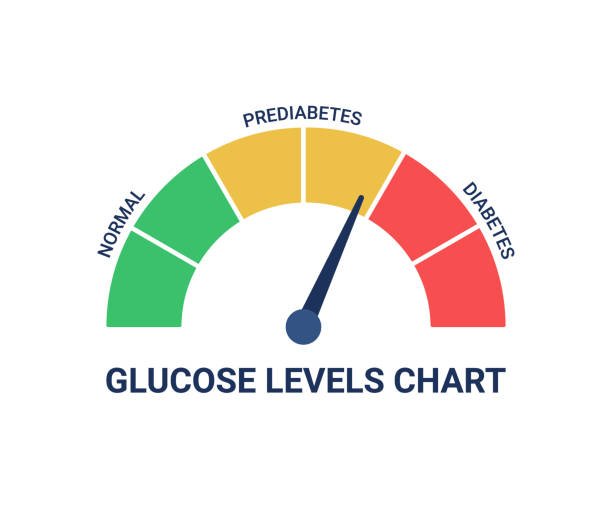
Jessie Anzospé’s research shows that altering the order of food intake is a more effective and simpler method to control blood sugar than dieting. Even when consuming the same foods and calories, just adjusting the eating sequence can reduce the highest glucose peak by up to 73%, and insulin peak by 48%.
What Is the Correct Eating Order?
- Start with high-fiber vegetables — fiber slows carbohydrate absorption and reduces blood sugar fluctuations.
- Then eat protein and fat — these nutrients prolong satiety and stabilize blood sugar.
- Eat starches and sugars last — saving high glycemic foods for last effectively lowers glucose peaks.
Practical Blood Sugar Control Tips
1. Have a green appetizer before each meal
Start with a plate of abundant green vegetables—spinach, artichokes, kale, raw carrots with hummus, etc. This appetizer provides plenty of fiber and smooths blood sugar responses to the following meal.
2. Stop blindly counting calories
Calorie numbers can be misleading since different foods impact blood sugar and metabolism very differently. For example, fructose is barely used by muscles for energy and is converted to fat. Focus on food quality rather than calorie count.
3. Choose savory, protein- and fat-rich breakfasts
Avoid just bread, sweets, and other high-sugar, high-starch breakfasts. Opt for Greek yogurt, scrambled eggs, avocado, nuts, tofu, paired with vegetables. This significantly stabilizes post-breakfast glucose and reduces blood sugar swings all day.
4. Moderate intake of whole grains and berries
If consuming starches and fruits, choose unprocessed whole grains and low-sugar berries rich in fiber and antioxidants, which help control blood sugar.
Controlling blood sugar, especially glucose peaks, doesn’t require strict dieting but can be achieved by scientific eating order and simple dietary adjustments. Understanding and applying these biochemist-approved secrets not only prevent many chronic diseases but also improve daily quality of life, making your body lighter, mood steadier, and energy more abundant.
Starting today, try changing your eating order and bring real health improvements to your body!