What Is the FIRE Lifestyle?

FIRE (Financial Independence, Retire Early) refers to a philosophy that aims to break free from the traditional work life as soon as possible by saving a very high portion of income and making smart investments. Simply put, people pursuing FIRE save the majority of their income—typically 50% to 70%—and build wealth through long-term investing, striving to achieve financial freedom and retire early, sometimes within ten years or even less.
However, the seemingly simple idea of “spending less” is actually the most crucial and challenging part of the FIRE journey. Achieving this lifestyle requires both rigorous expense cutting and cultivating disciplined investment habits.
The 4% Rule: The Mathematical Foundation of FIRE
One of the core principles of FIRE is the famous “4% Rule.” According to this rule, when your investment savings reach 25 times your annual living expenses (because 4% × 25 = 100%), you are financially independent and can consider retirement.
The 4% rule originated from research at Trinity College, University of Dublin. The study analyzed historical data assuming a 5% average annual return after inflation adjustment. Under this scenario, withdrawing 4% annually would not deplete your principal, allowing sustainable withdrawal indefinitely.
In other words: if your yearly expenses are $100,000, you need to accumulate $2.5 million (100,000 × 25) to become financially independent. Then, you can withdraw $40,000 per year to cover living costs, while the remaining returns compound.
It’s important to note this rule is not absolutely foolproof. Interest rates, inflation, and market fluctuations affect actual outcomes. Personally, I’ve been cautious about the 4% rule, thinking it may be somewhat idealistic. Recent market volatility confirms that flexibility in strategy is essential.

Ten Things That Make You Happy: Focusing on What Truly Matters
Time is the most precious resource, yet we often waste it on making and spending money. Have you ever thought about what you truly enjoy doing and how to make your time more valuable?
A simple yet powerful exercise is to list the ten things that made you happiest during the past week. This list reveals that many sources of happiness are simple and low-cost—like walking with friends, reading a good book, cooking at home, enjoying nature—these all embody high-quality living.
Focusing your energy on what you truly enjoy and value reduces unnecessary spending and waste, making FIRE more attainable.
Using Retirement Calculators to Plan Time and Goals
Retirement calculators are powerful tools for planning financial freedom. You input your current income, annual expenses, and savings rate, and the calculator estimates how many years you need to work before achieving FIRE.
For example:
- Saving 16% annually, spending $120,000 per year, saving $22,000, you might retire in 34 years.
- Saving 58% annually, spending $60,000 per year, saving $82,000, you might retire in 11 years.
These calculations usually assume a 5% investment return and 4% withdrawal rate. While stock market performance varies, over the long term, this model is generally reliable. Trinity College’s research showed a roughly 98% success rate for the 4% withdrawal rule over past decades.
Still, in real life, flexibility is necessary to weather financial crises and market ups and downs. You cannot rely solely on fixed numbers.
Understand Your Expenses and Start Saving
Saving over 60% sounds difficult, but focusing on big expenses yields the best results. Most people’s spending concentrates on three major categories: housing, transportation, and food.
The author set a ten-step plan for themselves:
- Cut non-essential entertainment spending like electronics, clothes, toys.
- Stop dining out; prepare breakfast and dinner at home, bring lunch to work.
- Review and optimize monthly fixed costs like internet, phone, gym memberships.
- Choose low-cost or free entertainment: beach walks, home movies, potluck with friends.
- Sell unused items cluttering your home.
- Opt for affordable childcare, such as daycare or shared babysitting.
- Bike or take public transit to work as much as possible.
- Reduce vacation frequency and use credit card points for travel discounts.
- Rent more affordable housing with better cost-performance ratio.
- Explore ways to earn extra income via gigs, part-time jobs, or skills monetization.
These strategies not only reduce spending but also develop rational consumption habits, helping you take real control of your finances.
How to Rationally Approach Luxury Items
On the road to financial freedom, many face the dilemma of giving up luxury goods. Whether it’s a lakeside villa, private trainer, or pool-equipped mansion, what really matters is whether you’re willing to pay the price in time and effort to sustain such a lifestyle.
When you clearly calculate how long you must work to afford these luxuries, many people begin to weigh their choices rationally—some even gladly giving up “burdensome” expenses to pursue a purer form of freedom.
FIRE Car Buying Guide: Rational and Goal-Aligned
For FIRE followers, buying a car must also be rational. The decision should be based on real needs rather than impulsive desire or showing off. First, honestly assess what car features you really need versus luxury extras.
Secondly, pay cash whenever possible to avoid costly loans or leases. Paying cash also lets you negotiate better deals directly with private sellers.
Remember, the core of FIRE is freedom—being able to “wake up whenever you want” without being trapped by car payments.
Geoarbitrage: Optimizing Expenses by Relocating
Many pursuing FIRE choose “geoarbitrage”—moving to a lower-cost area to drastically reduce daily expenses. Especially for high earners, relocating increases savings rate and quality of life.
Even if your income is modest, changing your living environment to cut rent and transport costs helps you steadily approach financial freedom.
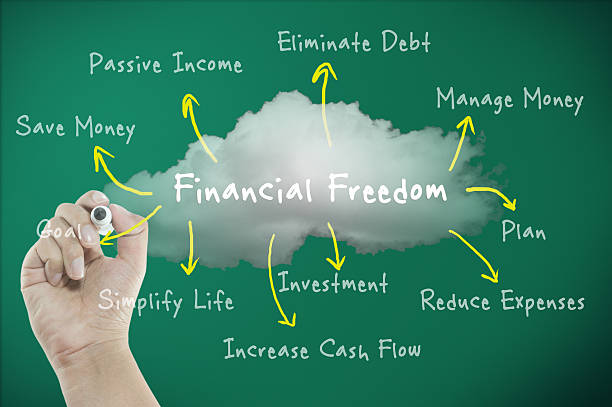
Seven Key Steps to Achieve FIRE
Step 1: Calculate Your Net Worth
Know exactly what you own and owe—cash, investments, retirement funds, property minus debts. This can be uncomfortable, but only by knowing your starting point can you plan effectively.
Step 2: Track Spending and Savings in Detail
Record every expense to understand where your money goes. Track for at least 90 days to ensure accuracy and use budgeting tools. Using retirement calculators to simulate your progress can be highly motivating.
Step 3: Cut Small Daily Expenses
Seemingly minor costs add up—cable TV, takeout coffee, gym memberships. Choose expenditures that align with your values to save without sacrificing enjoyment.
Step 4: Slash the Big Three Expenses — Housing, Transportation, Food
This step yields the biggest impact on savings rate. You might downsize your home, buy a used car, bike or take public transit, cook at home more often. Though tough, this is key to high savings.
Step 5: Make Your Savings Work for You
Saving alone isn’t enough—you must invest so your money grows. Pay down high-interest debt, invest in low-cost index funds or real estate for wealth accumulation.
Step 6: Increase Income Streams
Besides cutting costs, boosting income is important. Side jobs, freelancing, entrepreneurship, investment returns all accelerate wealth building. While not mandatory, most FIRE followers eventually pursue this.
Step 7: Join the FIRE Community
Having like-minded companions on your financial journey matters. Join online forums, attend meetups to exchange support and experiences. This helps keep motivation especially during tough times.
Achieving FIRE is not an overnight process but a long-term goal reached through careful planning, consistent saving, rational investing, and lifestyle changes. Though risks and uncertainties exist, by understanding your spending habits, setting realistic goals, and practicing frugality and investing, many have successfully embarked on this path. The essence of FIRE lies in redefining “wealth” to make life freer and more meaningful.