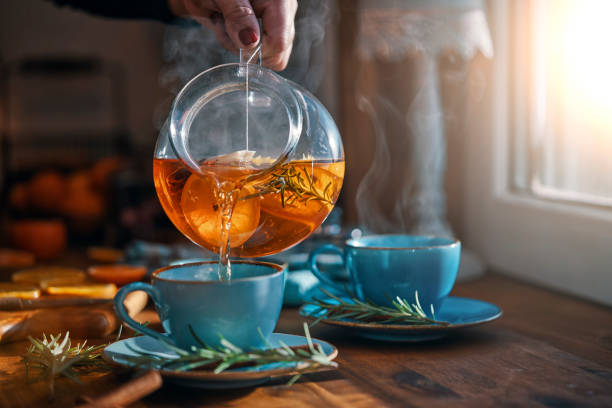
Tea, one of the world’s most beloved beverages, boasts thousands of years of history and deep cultural heritage. While Chinese tea is famous for its long tradition and diverse varieties, unique and flavorful tea trends have emerged across the globe. Today, let’s explore what teas are currently popular outside China and how to brew a fragrant, full-bodied, and delicious cup of tea.
1. Innovative Drinks: The Charm of Tea Cocktails
Innovation and fusion have become a major trend in modern tea culture. Tea-based cocktails, combining tea with spirits, are gaining popularity in upscale bars and social settings due to their unique flavors and visual appeal.
Take the Silver Needle Martini, for example — a sophisticated blend of white silver needle tea and gin. Its brewing process is precise:
- Ingredients
- 3 grams of white silver needle tea (or other whole-leaf white teas like white peony)
- 60 ml high-quality gin (such as Beefeater)
- Ice cubes as needed
- Tea strainer, cocktail shaker or jam jar
- Martini glass or tulip glass
- Steps
- Put the tea leaves into the gin, gently shake to fully wet the leaves, then let steep for 5 minutes to release the aroma.
- Add ice and a splash of water to the glass to chill it, then discard.
- Strain the tea-gin mixture into a shaker or jar with ice and stir gently to chill and dilute.
- Pour the mixed tea cocktail into the chilled glass and enjoy immediately.
The herbal notes of the tea beautifully meld with the botanicals in the gin, creating a refreshing, elegant drink without the need for extra vermouth or lemon garnish. For sharing, you can make a batch by steeping 25 grams of tea in 750 ml of gin for 15 minutes, then filter and store. For longer preservation, double-filter with coffee filters to keep the cocktail clean and stable.
2. Hotel Tea Art: A Detail-Focused Brewing Experience
When traveling and staying in luxury hotels, high-quality tea brewing services often enhance guest experience. Many upscale hotels serve measured dry tea alongside temperature-controlled hot water pots, allowing guests to adjust the tea strength themselves.
Typically, the tea pot and hot water jug are brought to the room. Guests pour hot water incrementally, tailoring the tea concentration. This method ensures full tea leaf expansion and consistently hot, aromatic tea. Wherever you are, this detailed tea brewing ritual is worth trying.
3. Green Tea Brewing Tips: Balancing Temperature and Time
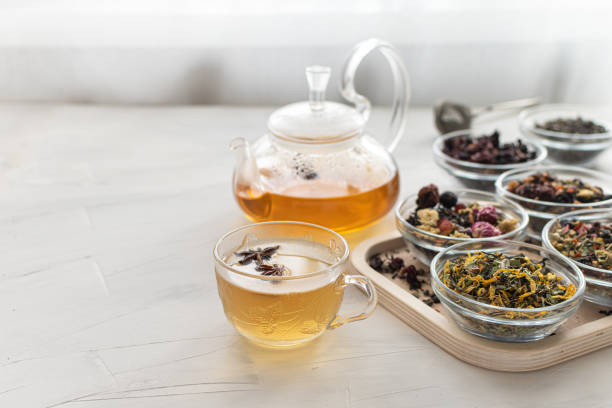
Green tea is globally popular but requires precise control of water temperature and steeping time to avoid bitterness or dullness. Generally, use 2 grams of tea per 150 ml water.
- Light brew: 70°C water, steep 90 seconds, yielding a fresh, delicate taste, ideal for lovers of mild tea.
- Stronger brew: 80°C water, steep about 2 minutes, producing a richer flavor.
If using boiling water, pour quickly to avoid excessive tannin release and bitterness. For every 10°C increase in temperature, extend steeping time by about 30 seconds to finely tune strength.
4. English Breakfast Tea: A Blend and Cultural Fusion
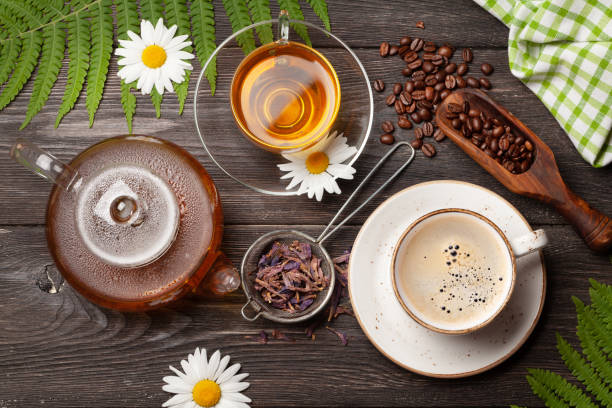
“English Breakfast Tea” is not a single tea but a custom blend designed to complement the traditional English breakfast. Coined by New Yorkers in the early 20th century, it refers to the teas typically enjoyed in the UK at breakfast.
Breakfast blends often combine various black teas—strong Assam pairs with smoked fish, or Darjeeling adds freshness to jam toast. Mixing Himalayan highland black tea with Lapsang Souchong, and even some Earl Grey, creates distinct blends suited to different breakfast flavors.
For brewing, use 2.5 grams per 150 ml water. If drinking without milk, steep at about 80°C; with milk, use 95°C–100°C water and steep 1–3 minutes to match taste preferences.
5. African Rooibos Tea: A Layered Taste Experience
Malawi’s rooibos tea, prized for its unique stem structure and taste, enjoys popularity worldwide. Use 3 grams per 150 ml boiling water, steep 2 minutes for the first brew. Unlike many teas, rooibos doesn’t turn bitter with longer steeping due to low tannins.
What’s fascinating is how the flavor deepens with repeated infusions: starting with apricot fruitiness, then soft, sweet vegetal notes emerge, giving complex layers. Multiple brews maintain richness, perfect for slow savoring.
6. Iced and Cold Brew Tea: Cool Choices for Summer
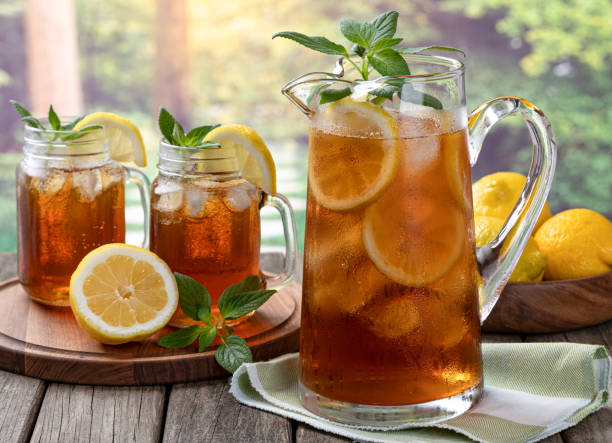
Australia’s “sun tea” involves steeping tea in cold water under sunlight for hours to slowly release fragrance. Modern households often replace sunlight with refrigeration for safety and convenience.
Cold brew tea offers sweeter, smoother aromas with low tannins and a silky texture, no added sugar needed. Black teas make excellent iced teas, while whole leaf teas are better hot brewed; broken leaves suit cold brewing.
For cold brew, use roughly 8 grams per liter of water, steep 8–12 hours (except oolong which may need up to 48 hours). Strain with a fine filter and store sealed in the fridge, typically good for 3 days. Cold brew tea is rich in caffeine, providing refreshing alertness.
7. Jasmine Martini: East Meets West in Floral Spirit
Jasmine tea combined with vodka creates a uniquely fragrant Jasmine Martini. Brew similarly to the silver needle martini: steep 25 grams of jasmine silver needle tea in 750 ml vodka for 15 minutes, strain, add ice, stir, and serve chilled in a martini glass. Floral aroma and smooth liquor blend beautifully.
8. Hangover Tea: The Magic of South African Rooibos
South African rooibos tea, caffeine-free and herbaceous, is praised for its smoothness and mineral richness. To brew a hangover tea, steep 3 grams of rooibos in 150 ml boiling water for 3–5 minutes. After straining, add maple syrup, lemon juice, and a pinch of sea salt for a flavorful, restorative drink.
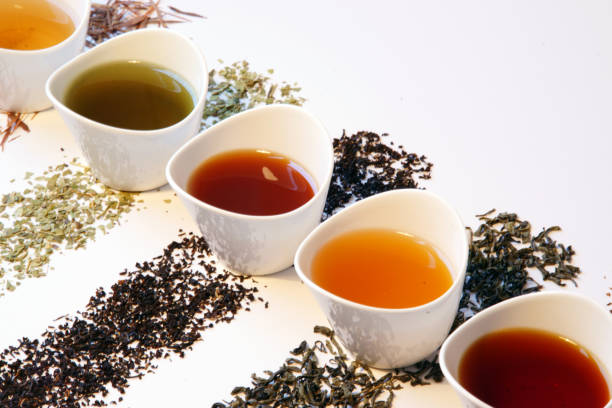
Tea culture worldwide is constantly innovating and blending traditions. Beyond classic Chinese tea, tea cocktails, English breakfast blends, African herbal teas, and cold brew teas are sweeping the globe. Whether you prefer traditional brewing or creative concoctions, mastering water temperature, steeping time, and tea-to-water ratio is key to a perfect cup.
Next time, try exploring teas from different countries—you might start an unexpected flavor adventure.