The Wonderful Rhythm of the Human Body
Our bodies follow a complex and highly coordinated set of physiological rhythms every day—like invisible conductors directing every subtle change from waking in the morning to sleeping at night. Beyond the well-known circadian rhythm (the roughly 24-hour biological clock), there are shorter cycles called ultradian rhythms, such as the sleep cycle lasting about 90 minutes, which repeats throughout the night, regulating the alternation between deep and light sleep.
Not only sleep, but our digestive system, appetite fluctuations, blink rate, and even sexual drive follow specific rhythm patterns. Some rhythms are very regular and predictable, while others are more complex and elusive—such as hunger waves or mood swings. These rhythms often remain hidden in daily life until disrupted by sleep disorders, emotional fluctuations, or digestive issues, making us realize their importance. In fact, adjusting these rhythms isn’t simple and requires conscious changes to lifestyle habits and the environment.
Sleep: The Starting Point and Foundation of Health
Quality sleep doesn’t depend merely on how long you lie in bed but on the “night experience” before falling asleep—a truly dark environment. Darkness is not just absence of light; it is the key to activating the body’s natural repair and regeneration processes. Unfortunately, modern bedrooms are rarely truly dark. Whether it’s the faint glow of a night clock, the blue light from phone screens, streetlights outside the window, or notification sounds, all subtly interfere with preparing for sleep.
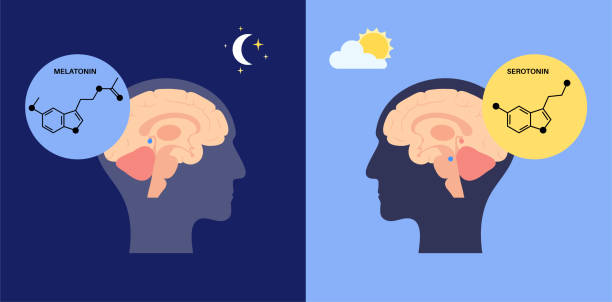
Many health experts emphasize the importance of sleep, but few mention how critical it is to spend time in genuine darkness before bedtime to activate the body’s nighttime physiology. During the day, the body is in a “daytime physiological state”—highly alert, active, and efficient—regulated mainly by cortisol, dopamine, and serotonin. At night, with the disappearance of light, we enter a “nighttime physiological state” where body temperature drops, metabolism slows, and melatonin secretion begins, signaling the body to prepare for rest and repair. Melatonin is not exactly a traditional “sleep hormone” but rather a “darkness hormone” produced in the absence of light to help regulate circadian rhythms and maintain health.
Without this natural transition, people often feel restless and anxious, making it hard to fall asleep. Many fall into a vicious cycle trying to cope with insomnia—staying up late scrolling on phones, watching TV, or snacking late at night—seriously disrupting normal physiological rhythms.
The Physiological Magic of Light and Darkness
Daytime physiological function relies on sufficient bright light, especially morning sunlight. Conversely, nighttime requires adequate darkness to promote melatonin secretion and ensure good sleep quality. Modern life, however, often leaves people in dim environments during the day but surrounded by strong artificial blue light at night. Imagine the moment you turn on the light—your body receives a signal telling the brain, “It’s still daytime,” disrupting the biological clock’s rhythm.
Excessive exposure to nighttime light is a major cause of insufficient melatonin secretion and sleep disorders. As a result, many people buy melatonin supplements hoping to improve sleep quality. But melatonin supplements only work best when daytime serotonin levels are adequate and daylight exposure is normal. Simply put, melatonin secretion depends on serotonin accumulated during the day, and serotonin synthesis depends on sufficient light exposure and balanced nutrition—especially tryptophan intake.
Do you recall the feeling of deep relaxation and easy deep sleep after long outdoor activities? Like sitting around a campfire with friends, enjoying the quiet night? That relaxed and happy state is actually the perfect harmony of natural light, serotonin, and melatonin. However, when nighttime blue light is too strong, even sufficient daytime natural light can be undermined, causing what is known as Light-Induced Melatonin Suppression (LIMS)—a common sleep problem faced by modern people.
Melatonin and Serotonin: Stars of the Day-Night Symphony
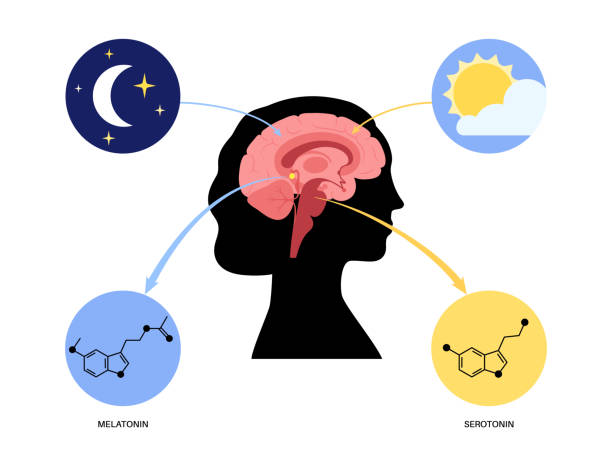
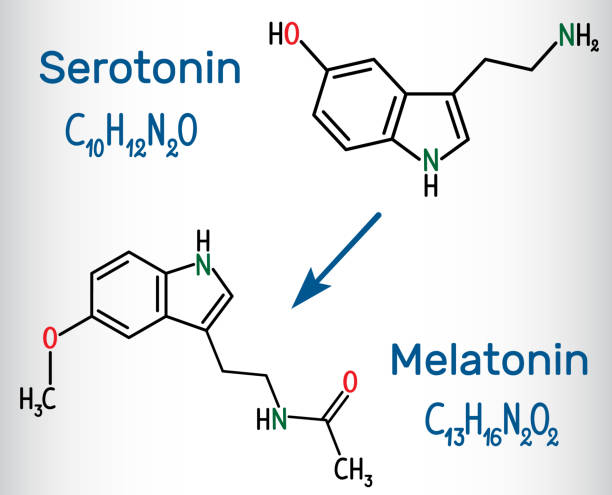
Melatonin is not only a key hormone regulating sleep but also plays important roles in antioxidation, immune modulation, and cellular repair, serving as an “invisible guardian” against aging and promoting longevity. Serotonin, on the other hand, is a daytime neurotransmitter regulating mood, appetite, and cognitive functions. Unlike melatonin, cortisol is the “real” wake-up hormone—its natural rise in the morning energizes us and prepares us for the day ahead.
A healthy body maintains a clear cortisol-melatonin rhythm: cortisol spikes quickly in the morning to promote alertness and vitality, then gradually declines; melatonin increases at night to facilitate sleep and bodily repair. Disruption of this rhythm leads to insomnia, anxiety, metabolic disorders, and even chronic diseases.
In modern life, many factors—unhealthy diets, excessive exercise, shift work, stress, and even the glow of phone screens at night—can raise cortisol at the wrong times and suppress melatonin, disturbing natural rhythms. Social media is designed to exploit our desire for comparison and validation, making relaxation difficult and increasing mental burden, all contributing to declining sleep quality.
The Subtle Link Between Light Exposure and Mental Health
Recent scientific studies reveal that prolonged exposure to dim indoor environments affects the brain’s information processing and neural connectivity. Vision problems in teenagers and young adults are closely linked to insufficient indoor lighting. Reduced daylight in winter lowers serotonin, triggering Seasonal Affective Disorder (SAD). Lack of light not only lowers serotonin levels but also disrupts normal cortisol pulses and reduces dopamine synthesis—dopamine being crucial for motivation and pleasure. Many unhealthy modern habits—substance abuse, excessive alcohol, addiction to electronic devices—directly or indirectly damage this system.
Dopamine deficiency manifests as low mood, mental fatigue, lack of motivation, and poor focus, often accompanied by strong cravings for sugary, fatty, and salty foods, worsening health.
Reclaiming the Balance of Natural Light and Darkness
Understanding the profound impact of light and darkness on the body enables us to take effective actions to improve life. For example, many people notice a strong craving for sweets at night, caused by artificial nighttime light tricking the body into thinking it’s summer daytime, triggering similar physiological responses. Insufficient morning light also triggers similar sweet cravings as the body seeks energy.
Try a small experiment: observe your mood and energy on bright sunny mornings versus gloomy, dim mornings. You’ll find that ample natural light not only boosts mood but also helps you sleep better at night.
If you want to increase vitality, improve mood, reduce belly fat, or boost immunity, the starting point for all these health goals is ensuring good sleep and circadian rhythms. Once sleep is adjusted, your diet, exercise, and social life naturally become healthier and more regular.
: Embrace the Darkness of Night and the Warmth of Morning Light
To restore and maintain health, we must relearn and respect the natural day-night cycle—giving ourselves truly dark nights and bright days. When light and darkness are balanced, the body’s endocrine and nervous systems coordinate smoothly, bringing better sleep quality, more stable moods, stronger immunity, and longer life.
Take action: get as much sunlight as possible during the day, avoid artificial light disturbances at night, and create a dark, quiet sleeping environment. This is not just for better sleep but for overall health and improved quality of life.