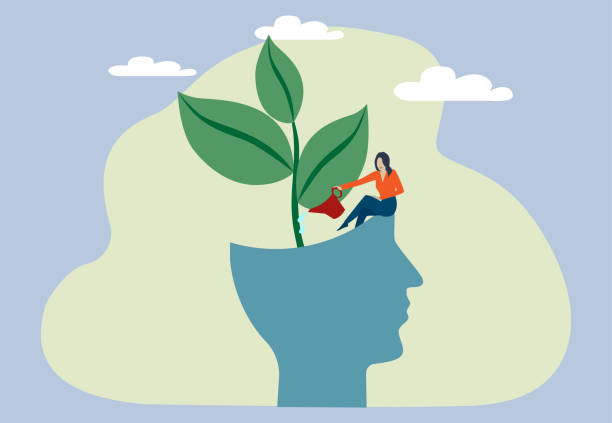
In today’s fast-paced world, our brains are constantly under pressure. Information overload, high stress, and constant multitasking have made it harder than ever to stay focused, emotionally balanced, and mentally sharp. But there is good news: you can upgrade your brain—not just metaphorically, but functionally and structurally.
“Cognitive powers” are not just about IQ. They refer to four essential brain capabilities that shape how effectively you live, work, and learn:
- Executive Function (your ability to plan, focus, and execute tasks)
- Emotional Regulation
- Learning and Memory
- Creativity
Fortunately, modern neuroscience and psychology have uncovered highly effective ways to enhance these capabilities. The following seven strategies are backed by scientific research and are practical to implement. They range from mindset-based techniques to neurotechnology, offering you a full-spectrum toolkit to evolve from mental fatigue to cognitive excellence.
Strategy 1: Use the Placebo Effect to Activate the Brain’s Self-Healing Systems
▶ What Is the Placebo Effect?
In medical science, a placebo is a treatment with no therapeutic value that nonetheless creates real improvements in symptoms—often just because the patient believes it works. Surprisingly, even when people know they’re taking a placebo, it can still activate healing responses in the brain.
▶ Why It Works
The placebo effect operates through two main channels:
- Pattern Expectation in the Brain: Our brains are prediction machines. When we expect a treatment to help, the brain “preplays” the positive outcome, which can trigger real physiological changes.
- Neurochemical Activation: Placebo treatments can increase the production of neurotransmitters like endorphins and serotonin, which have real mood-enhancing and pain-reducing effects.
▶ How to Apply It
You can design your own “mental placebo.” For instance, before meditating, tell yourself: “These 10 minutes will significantly improve my focus and mood.” Studies show that rituals, white lab coats, the price of a pill, or even its color can enhance placebo effects.
Strategy 2: Exercise Your Brain—Literally
▶ Why Physical Exercise Enhances Mental Performance
Exercise doesn’t just tone your body; it’s one of the most powerful tools for brain enhancement. Movement increases brain plasticity, improves blood flow to the brain, and boosts Brain-Derived Neurotrophic Factor (BDNF)—a molecule critical for memory and learning.
▶ Best Exercise Combinations
- Aerobic Workouts (cycling, brisk walking, swimming): Especially effective for emotional regulation and memory.
- Resistance Training (weightlifting): May temporarily reduce cognition if done alone, but when combined with cardio, significantly improves brain performance.
- High-Intensity Interval Training (HIIT): Delivers the biggest cognitive gains—up to 16% improvement in certain tasks.
▶ Timing Matters
- Morning workouts lead to peak cognitive benefits (up to 16%)
- Afternoon workouts offer modest gains (around 4%)
- Evening workouts may interfere with sleep and can reduce cognition by up to 8%
Exercise is foundational. It boosts every aspect of cognitive performance—focus, memory, creativity, and emotional stability.
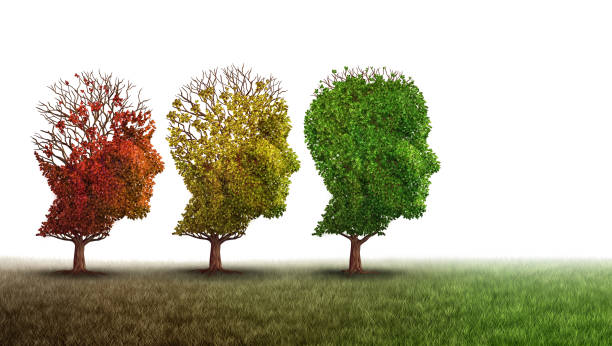
Strategy 3: Use Blue Light to Jumpstart Your Brain
▶ How Light Affects Cognition
Light exposure—especially blue light—influences our sleep-wake cycles by regulating melatonin (which promotes sleep) and norepinephrine (which promotes alertness).
▶ Blue Light’s 3 Brain-Boosting Effects
- Increases alertness and attention: Comparable to caffeine in some fatigue studies.
- Improves memory and executive function: Outperforms amber light in lab tests.
- Enhances sustained attention: Cognitive benefits can last up to 40 minutes after exposure.
▶ Cautions and Smart Use
- Avoid blue light at night, as it disrupts circadian rhythms
- People with bipolar disorder or eye conditions should avoid blue light
- Safe tools include blue light glasses, desk lamps, or wake-up simulators
Used wisely, blue light is a potent, natural performance enhancer for the brain.
Strategy 4: Neurofeedback—Tune Your Brainwaves
▶ What Is Neurofeedback?
This cutting-edge method uses EEG (electroencephalography) to show your real-time brainwave activity. You learn to self-regulate your brain through visual/audio feedback and practice.
▶ Who Can Benefit
- For focus and impulse control: Especially useful for people with ADHD or executive function issues
- For emotional balance: Helps manage anxiety, depression, and PTSD
- For high performance: Used by surgeons, musicians, and athletes to train deep focus
- For learning and memory: Certain protocols improve working memory and language skills
▶ Advantages
- Non-invasive, repeatable, and safe
- Minor side effects (e.g., mild fatigue or headaches)
- Effects often last well beyond the training period
Neurofeedback is part of the “brain training 2.0” movement—ideal for people aiming for peak mental performance.
Strategy 5: Use Games to Train Multiple Cognitive Powers
▶ Games Are More Than Just Fun
A growing body of research shows that some video games change brain structure and function. Examples:
- Action games (e.g., FPS): Improve reaction time and selective attention
- Strategy games (e.g., Civilization, StarCraft): Enhance planning and decision-making
- Sandbox/Creative games (e.g., Minecraft): Stimulate creativity and spatial thinking
- Rhythm games (e.g., Dance Dance Revolution): Improve motor coordination and connectivity
▶ What Science Says
- Navy-funded studies found gamers are 10–20% better at multitasking
- Games can thicken the cerebral cortex and improve attentional networks
- For seniors, cognitive games delay brain aging
▶ Choose Based on Goals
| Goal | Game Type |
|---|---|
| Executive Function | Action/Strategy |
| Memory | Memory Trainers |
| Emotional Regulation | Casual/Puzzle |
| Creativity | Sandbox/Rhythm |
⚠️ Beware of overuse or violent games, which can increase aggression or worsen attention and social issues. Play mindfully and purposefully.
Strategy 6: Neurostimulation—The Future of Brain Enhancement
▶ How It Works
Transcranial Direct Current Stimulation (tDCS) applies low electrical currents to targeted brain regions to either excite or inhibit neural activity.
- Anodal stimulation (positive): Enhances excitability
- Cathodal stimulation (negative): Reduces excitability
▶ Applications
- Used to treat ADHD, depression, and aphasia
- In healthy people, boosts learning speed, creativity, decision-making
- Backed by studies showing improved working memory and verbal fluency
▶ Safety and Guidelines
- Side effects are generally mild: tingling, fatigue, slight headache
- Not recommended for regular use in perfectly healthy individuals
- ⚠️ Always use under professional supervision—avoid uncertified devices bought online
Neurostimulation is promising but should be treated with caution. It’s powerful tech—not a toy.
Strategy 7: Use Smart Drugs and Supplements with Extreme Care
▶ Can Pills Make You Smarter?
In some cases, yes—but they come with serious caveats.
✦ Over-the-Counter Supplements
- Many “brain boosters” are poorly regulated
- Ingredient accuracy and interactions are questionable
- Risks increase with multiple supplements
✦ Prescription Medications
- Examples include Ritalin (ADHD) and Modafinil (narcolepsy)
- Can enhance attention under medical supervision
- For healthy individuals, side effects often outweigh benefits: anxiety, dependency, heart issues
✦ Herbal Options
- Ginkgo, Ginseng, St. John’s Wort may aid mood and memory
- Must be used carefully—especially by pregnant women, minors, or those with medical conditions
Drugs and supplements should be a last resort, not a first strategy. Lifestyle and brain training offer more sustainable gains with fewer risks.
Final Thoughts: Begin Your Brain Evolution Through Cognitive Empowerment
Boosting your cognitive powers is no longer just for the elite few. The seven strategies above offer anyone the chance to upgrade their “mental operating system.”
Remember:
- The placebo effect turns belief into biology
- Exercise is the foundation of cognitive vitality
- Blue light resets your brain’s natural alertness
- Neurofeedback and stimulation are precision tools of mental optimization
- Gaming, when done right, is an immersive brain gym
- Pills and powders should be used with caution—and only when truly necessary
Start small. Be consistent. And over time, you’ll become a more focused, emotionally resilient, creative, and cognitively powerful version of yourself.