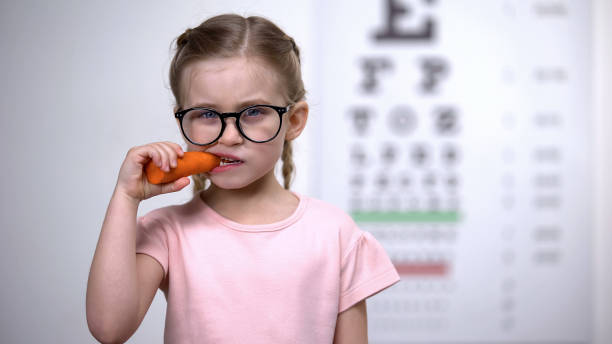
With the steady improvement of living standards, children today clearly have access to better nutrition and more varied diets than previous generations. Yet paradoxically, many parents and educators observe that despite these advances in diet, children’s physical health seems to be declining overall. They tend to have weaker constitutions, lower immunity, fatigue easily, and sometimes suffer from minor ailments or chronic conditions. What underlying factors explain this puzzling phenomenon? Drawing from my experience as a parent and observations from friends, clients, and various communities, I’d like to explore this issue from multiple angles.
Heavy Academic Pressure and Lack of Genuine Physical Activity
Starting from elementary school, children face a heavy academic load. It’s common for young students to carry backpacks weighing 20 to 30 pounds. Many schools encourage the use of rolling backpacks to alleviate the burden, yet the pressure to study remains intense. School typically ends around 4:30 PM, but rather than having free time, many kids go either to after-school meal programs or supplemental tutoring classes. Once home, homework can stretch late into the evening—sometimes as late as 9 PM or even later. This grueling daily routine consumes a child’s energy and leaves little room for true rest or relaxation.
Weekends offer little respite, as children often attend extra classes or extracurricular training—piano, dance, painting, calligraphy, math olympiads, and so forth. Free play and downtime are rare, which limits opportunities for physical recovery and mental decompression.
In middle school, the demands intensify. Students arrive by 7:10 AM and don’t leave school until 5:30 PM, followed by additional tutoring or evening study sessions. Homework often lasts until 10 or even midnight. Weekends are again devoted mostly to essays and supplementary classes, and the third year of middle school doubles the intensity. High school mirrors this pattern, sometimes starting earlier and studying well past midnight. Sports classes increasingly get cut or replaced by academic subjects, so students have almost no time left for exercise or outdoor activities.
Severe Deficiency in Exercise and Outdoor Play

Once upon a time, children enjoyed running and playing outdoors during recess, breathing fresh air and releasing pent-up energy. Today, however, many schools forbid children from going outside during breaks due to safety concerns and liability fears. Some have even canceled routine physical exercises. By the time students reach critical exam years (like final years of middle and high school), the few minutes between classes are almost exclusively spent studying or using the restroom.
Vacations like summer and winter breaks—traditionally a time for outdoor activities and family trips—are now often filled with remedial classes and enrichment programs. Only relatively well-off families can afford travel and leisure. Meanwhile, children spend their rare free moments glued to phones or tablets, with minimal interaction with peers or outdoor exercise.
The lack of sufficient physical activity directly weakens children’s cardiovascular fitness, muscular strength, and immune function. Coupled with persistent academic stress, it is no wonder their overall physical condition suffers.
Psychological Stress and Emotional Burden
Long study hours, fierce competition, and high parental expectations create heavy psychological pressure on children. Anxiety and fatigue become commonplace, which can undermine sleep quality, disrupt hormonal balance, and weaken immunity.
Moreover, children often lack sufficient autonomy and free time to develop genuine interests or hobbies, leading to feelings of burnout, rebellion, or disinterest in school. Mental health and physical health are intertwined in a vicious cycle—psychological distress further hampers physical well-being, and vice versa.
Nutrition Quality vs. Nutritional Balance

Though children’s diets today seem rich and varied, many still consume excessive sugar, fats, and convenience foods, with insufficient intake of fruits, vegetables, and essential micronutrients like vitamins and minerals. Without adequate physical activity, metabolic rates slow down, reducing the body’s ability to utilize these nutrients effectively. Hence, even “good” nutrition does not translate to improved physical strength.
Family Environment and Learning Atmosphere
Many parents try to create a “learning-friendly” home environment, often focusing on installing bookshelves or designated study corners. But having a bookcase alone is not the key.
The true foundation of a productive learning atmosphere lies in parental involvement and role modeling:
- At least one parent should spend quality time accompanying the child in study or reading activities.
- Parents who themselves regularly read and learn set powerful examples, far more effective than merely instructing children to read.
- The home environment should be nurturing and respectful, avoiding negative comparisons or harsh criticisms.
- Children need opportunities to accumulate successes, feel appreciated, and recognize their own growth.
Simply filling a living room with bookshelves while parents are too busy or distracted to engage with their children will not motivate learning. Dedicated study rooms with books children enjoy, coupled with freedom to choose study or leisure locations, help foster both intellectual curiosity and emotional well-being.
In summary, children today do indeed have better food and nutrition than ever before. However, the fast-paced lifestyle, overwhelming academic pressure, lack of physical activity, mental stress, and imbalanced nutrition collectively undermine their physical health. Parents and educators must reflect on existing educational and lifestyle practices, prioritize children’s holistic well-being, encourage regular exercise, and build positive family learning environments. Only by addressing all these factors can we hope to see truly healthy, robust children growing up.