
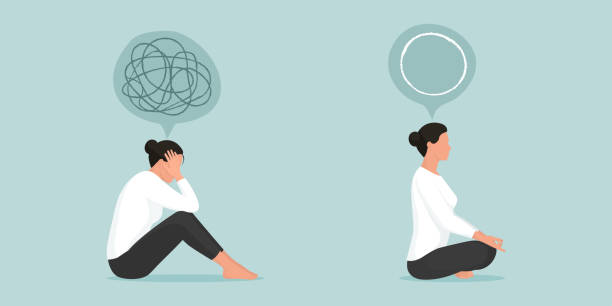
Anxiety is an almost unavoidable emotion in modern life. Whether it’s work pressure, daily hassles, or uncertainty about the future, these can all make us feel uneasy, tense, and sometimes trapped in the quagmire of anxiety. However, anxiety is not without remedy. Through scientific methods and self-adjustment, we can gradually free ourselves from the grip of anxiety and regain control over our own lives. This article will detail ten effective psychological techniques to help you relieve anxiety and boost your inner strength and confidence.
1. Zen Breathing: The Secret Weapon for Deep Calm
For nearly 30 years, Zen breathing has been widely recommended in psychology and meditation circles, with countless people attesting to its effectiveness. Commonly known as diaphragmatic breathing, it activates the body’s relaxation response by controlling the rhythm of your breath.
How to practice:
- Find a quiet, comfortable place, preferably lying down, letting gravity help you feel your breath’s rhythm.
- Place one hand on your abdomen and the other on your chest, feeling the rise and fall.
- Slowly inhale through your nose for a count of three, feeling your abdomen expand clearly; hold your breath for a few seconds; then exhale slowly through your mouth or nose, for a count longer than your inhale—anywhere between five and nine seconds.
- Repeat several times, making sure the exhale is longer than the inhale to slow your heart rate and induce relaxation.
- Close your eyes and imagine the calming energy from your breath gradually filling your whole body.
Why it works:
Zen breathing stimulates the parasympathetic nervous system while calming the sympathetic nervous system, reducing adrenaline release and helping your body transition from tension to calm. With continued practice, your brain enters a meditative, focused state, quieting the chaos of your thoughts and creating inner peace.
Tips for beginners:
It’s normal to feel bored or distracted at first—just gently bring your attention back to your breath whenever your mind wanders. Practice five minutes daily, and over time, you’ll find yourself more composed under pressure.
2. The “Three-Step Deep Breath”: Combine with Positive Affirmations to Strengthen Your Inner Power
This simple three-step breathing method paired with positive self-affirmations is a practical way to quickly boost confidence and calm emotions.
- On the first exhale, silently say to yourself: “I am calm.”
- On the second exhale, silently say: “I am relaxed.”
- On the third exhale, silently say: “I am confident.”
Though simple, these phrases act like mental passwords that activate positive emotional pathways in your brain. You can customize these “power phrases” to suit your own needs.
3. Mind Monkey Management: Becoming the Master of Your Thoughts
Psychological research shows the brain generates up to 60,000 thoughts daily, most of which are repetitive old ideas. Often, it’s not the environment controlling us, but this restless “mind monkey” jumping around inside.
How to manage the mind monkey?
- First, recognize that you are the true master and controller of your thoughts.
- Stop what you’re doing, sit down, relax your body, and quietly listen to the voices in your head.
- Don’t rush to argue with or avoid negative thoughts—simply observe their frequency and content.
- Acknowledge and accept these negative thoughts, then replace them with positive statements.
For example, if your mind says “I’ll just try,” that may hide self-doubt. Replace it with “I will do my best” or “I choose to take action.”
Why is this important?
Your language shapes your emotions, your self-image, and your expectations for the future. Negative self-talk is like “poison” for the mind, weakening your confidence and motivation over time. By adjusting your internal dialogue, you gradually build a positive mindset and fundamentally change your emotional state.

4. The Continuous Improvement Method: Break Through Bottlenecks and Unlock Potential
Overcoming anxiety is not just about calming down—it’s about actively pushing yourself to grow. Continuous improvement emphasizes making small daily progress to gradually build a sense of accomplishment.
- Set specific, small, achievable goals.
- Record your daily progress and experiences, even the tiniest successes.
- Regularly review and adjust your approach, discovering your strengths and potential.
- Through steady progress, you enhance your self-efficacy and reduce feelings of helplessness.
Continuous improvement not only alleviates anxiety but also gives you a stronger sense of control over your life and propels you forward.
5. The Hollywood Movie Method: Use Visual Imagination to Boost Confidence
You can borrow from Hollywood movie heroes who triumph over adversity by practicing visualization techniques to strengthen your inner power.
- Find a quiet place, close your eyes, and imagine yourself as the movie hero facing challenges bravely.
- Visualize the scenes in detail: how you stay calm, composed, and ultimately succeed.
- This visualization helps your brain create positive emotional associations, increasing your confidence to face real-life challenges.
6. Physical Exercise: Nature’s Stress Reliever
Exercise not only improves physical health but also significantly lifts mood by releasing endorphins, natural anti-anxiety “feel-good” hormones.
- Maintain moderate daily exercise such as brisk walking, yoga, or swimming.
- Focus on bodily sensations during exercise to deepen mind-body connection.
- Regular exercise also improves sleep quality, addressing root causes of anxiety.
7. Build a Social Support System: You Are Not Alone in This Fight
Social support is crucial when dealing with anxiety.
- Actively share your feelings with family and friends to gain understanding and support.
- Join interest groups or psychological support communities to find resonance.
- Healthy relationships provide emotional support, reducing loneliness and helplessness.
8. Limit Information Intake to Avoid Overstimulation
In today’s information-overloaded society, too much negative news can amplify anxiety.
- Set fixed times each day to check news and social media.
- Avoid endless scrolling, especially before bedtime.
- Choose reliable information sources to avoid rumors and panic.
9. Maintain a Regular Routine and Ensure Adequate Sleep
Sleep quality directly affects your emotional regulation.
- Keep a consistent daily schedule.
- Avoid electronic devices before bed, create a quiet and comfortable sleep environment.
- Sufficient sleep boosts brain function and stress resilience.
10. Seek Professional Help: Anxiety Can Be Scientifically Managed
If anxiety seriously disrupts your life, don’t hesitate to consult a therapist or doctor.
- Cognitive Behavioral Therapy (CBT) and other evidence-based methods effectively adjust negative thinking patterns.
- Medication combined with counseling can better alleviate symptoms.
- Seeking help shows proactive problem-solving, not weakness.
Anxiety is an internal signal reminding us to adjust and grow. Through methods like Zen breathing, positive self-talk, continuous improvement, and visualization, you can gradually break free from anxiety’s chains and become the true master of your life. Remember, taking control of your life is an ongoing practice—the earlier you start, the greater the benefit. May you walk steadily on this path with a calm, confident heart and live a truly brilliant life of your own.