
In life, many people face problems with scattered attention and difficulty focusing, especially those diagnosed with Attention Deficit Hyperactivity Disorder (ADHD) or Attention Deficit Disorder (ADD). Their inner world and behavior patterns often differ from the norm, and the challenges they face are more complex. This article aims to provide a comprehensive life guide for distracted individuals and their family and friends, helping everyone better understand and accept themselves, overcome difficulties, and embrace a fulfilling and meaningful life.
1. The Journey and Dedication of Parents of ADHD Children
If your child is diagnosed with ADHD, you will surely experience a path full of challenges and sacrifices. As mentioned in the book, the Hanna family spends about $25,000 annually on their child Joey’s education and treatment. This is not only a huge financial investment but also a significant expenditure of time and emotional energy. Various treatments, such as behavioral therapy, cognitive training, and nutritional adjustments, may help the child positively, but the decisive factors are usually the parents’ persistence, patience, and love.
Hanna’s companionship and support have been key to Joey’s gradual growth and adaptation to life. As parents, understanding ADHD, learning how to live with the child, and constantly adjusting educational strategies is a growth process every family must go through.
2. Diagnosis is the Beginning of a New Life; Addiction Issues Cannot Be Ignored
For many distracted individuals, being diagnosed with ADHD or ADD is not just a label but a starting point for a new life. Numerous studies show a high correlation between attention deficits and addictive behaviors. Untreated ADD patients are more prone to various addictions such as smoking, drinking, gambling, and internet addiction.
Fortunately, after receiving professional treatment, patients find it easier and more effective to overcome these addictions. This indicates that treating ADHD is not only about solving attention problems but also an important path to help patients regain control of their lives and reduce negative behaviors.
3. Comprehensive Support Needs for ADHD
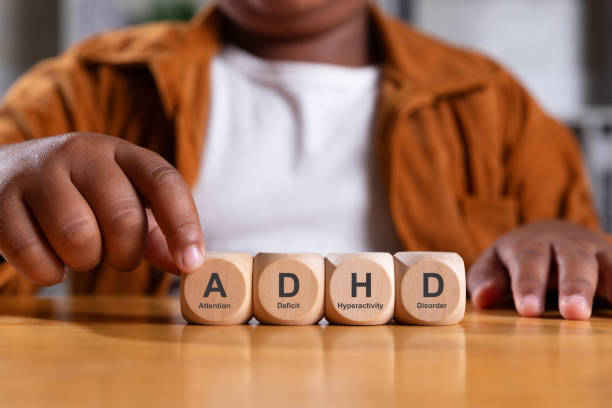
The needs of ADHD patients go far beyond medication. They require a systematic support system. Besides medication to control symptoms, educational guidance, structured daily routines, career planning, interpersonal counseling, and addiction rehabilitation are all indispensable.
Especially during school years, parents should actively cooperate with teachers and schools to secure reasonable assistance, such as Individualized Education Programs (IEP), classroom accommodations, and after-school tutoring. Understanding ADHD characteristics and diagnosis criteria, working with professionals, is essential to truly help children find balance in academics and life.
4. Choosing the Right Partner and Job is the Foundation for a Happy Life
For all distracted people, finding the right partner and job is a crucial step toward happiness. But in reality, many ADHD patients often fall into traps in these two areas, ending up with “bad teachers” — whether partners or bosses. They tend to be troubled by those who fail to understand them and criticize more than support.
The truly suitable people for distracted individuals are those who appreciate their unique talents, accept them, and help improve their shortcomings. Luckily, I realized this early in adulthood, made a life plan, and eventually found an ideal partner and job. All my full-time jobs have been based on interests and inner motivation, continuously pursuing careers that ignite my passion.
5. Breaking Free from the Quagmire of Lonely Struggle — Seeking Professional Help is Crucial
Many adult distracted individuals have great potential but achieve nothing due to a lack of effective support. They often refuse outside help, insisting on going it alone blindly. In fact, the wisest choice is to actively seek professional treatment rather than exploring alone.
Undiagnosed or untreated distracted people often rely on self-medication or indulge in impulsive behaviors like shopping, eating, or sexual activities to relieve anxiety. Data shows a high prevalence of addiction among adult distracted individuals, which harms both mental and physical health over time.
However, once the right treatment and alternatives are found, quality of life improves significantly and breakthroughs can occur in unexpected areas, such as enhanced athletic performance and better intimate relationships. Effective ADD treatment can bring comprehensive life improvements.
6. Inner Restlessness and Ever-Changing Needs
Distracted individuals’ minds are full of changes and restlessness; they find monotony and routine intolerable. During childhood, many kids seek stimulation through troublemaking or fighting — unconsciously pursuing adrenaline excitement.
Adrenaline, as the body’s natural “stimulant,” helps distracted people gain temporary focus and stimulation under stress, fear, or anxiety. When bored or feeling down, they seek stimulating activities to relieve boredom — not intentionally bad but an instinctive inner drive.
Effective treatment begins with patients acknowledging this reality, avoiding denial, and trying to meet needs in healthier ways. Moderate caffeine intake can serve as mild stimulation, though dosage must be controlled to avoid side effects. Prescription medication under doctor supervision can also bring stable effects.
But long-term reliance on medication is not the fundamental solution. The key is finding a lifestyle that fits one’s inner rhythm. Exercise, music, and creative activities are excellent ways to adjust inner states. As Kevin’s story shows, finding meaningful, challenging, and interest-stimulating pursuits greatly improves life quality for distracted people.

7. Two Important Suggestions for Parents of ADHD Children
If your child has ADHD, I want to offer two pieces of advice:
First, never give up. Helping a distracted child is often a long marathon that may take years to see results, or might simply be about preventing self-destruction. But it is this persistence that lays the foundation for the child’s future happiness.
Second, never worry alone. Seeking support is vital — whether from a partner, friends, teachers, or professional coaches. As long as someone is willing to listen and support, you are not alone.
Also, finding a truly understanding, professional, and patient doctor is equally important. The treatment process is long and complex, and the doctor’s companionship and guidance greatly ease pressure on both parents and patients.
8. How Modern Society “Trains” the Emergence of Distracted Individuals
Environmental factors in modern society greatly increase the incidence of attention problems. Though ADHD has genetic components, environmental stimuli are also triggers.
Electronic devices of the information age — TVs, phones, computers, game consoles — are consuming children’s attention and patience. Studies show that preschoolers who watch TV more than two hours daily have a 30% higher chance of developing ADHD as adults compared to others.
Passive entertainment makes kids less tolerant of frustration and more craving of instant gratification, impairing imagination and self-control.
Moreover, increasing chemical pollutants in the environment — pesticides, air pollution, food additives — may also affect children’s brain development. The complex interplay of chemical exposure and genes may cause more children to show distracted and hyperactive symptoms.
Facing all this, reducing screen time, increasing interaction with family and friends, maintaining a healthy diet and sufficient exercise, and avoiding harmful substances are the most practical efforts we can make for children.
9. The Complex Relationship Between Distraction and Emotional Disorders
About one-quarter of distracted individuals also suffer from emotional disorders such as depression, mild depression, or bipolar disorder. These issues often have genetic backgrounds and are intricately linked with ADHD symptoms.
After treatment, emotional problems in distracted individuals usually improve or even completely resolve. For example, the chronic failure feeling caused by distraction often leads to depression; improving attention helps patients achieve goals and naturally lifts their mood.
However, treatment may also trigger resistance, such as increased attention making patients more sensitive to self-defects, causing short-term emotional downturns. Emotional disorders need concurrent treatment and patient waiting for recovery.
In short, both emotional and attention problems are treatable but require time and professional guidance.
10. Reading Challenges for Distracted People
Reading difficulties are very common among distracted individuals. This means despite normal intelligence, they struggle to read fluently, often making mistakes or reading slowly.
About 20% of ADHD patients have reading difficulties and also tend to experience anxiety.
Personal experience shows that cultivating continuous reading habits and interests is key to overcoming this challenge. Reading interest developed from a young age can help distracted individuals gradually overcome setbacks and improve self-efficacy.
11. Constantly Explore Yourself and Live as Your True Self
The greatest challenge for distracted people is constant adjustment and adaptation because their brains are very sensitive to the environment. Finding one’s true interests and building a lifestyle that fits one’s own rhythm is not achieved overnight.
It requires repeated exploration — trying different interests, jobs, and social styles. Setbacks are inevitable but are a necessary part of growth.
Recognizing oneself, accepting differences, seeking support, and being courageous to change are fundamental to living better.
The life of a distracted person is full of challenges but also holds infinite possibilities. Understanding your uniqueness, accepting professional help, stepping out of loneliness, and living authentically will reveal a broader and more wonderful world.
Whether you are the patient, a parent, or a friend, always remember: distraction is not a weakness but a different way of thinking. Learning to live with it is the key to unlocking a happy life.