Have you ever felt this way: you want to find a hobby to enrich your life, relieve stress, and boost happiness, but the moment you hear the words “time management,” your enthusiasm just drains away?
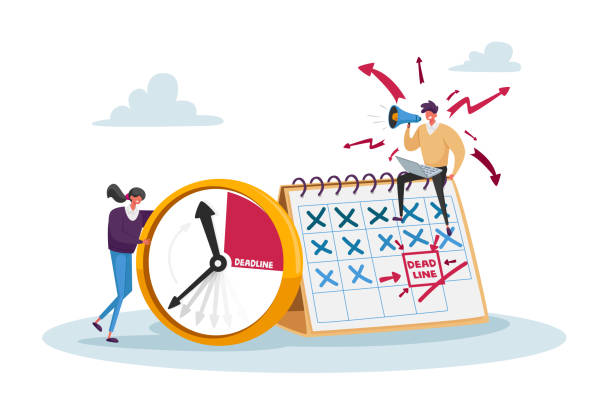
Fast-paced life, busy work, heavy responsibilities… In such an environment, many people use “no time” as an excuse to keep postponing their desire for hobbies, until it just fizzles out.
But is it really “no time”? Or is it “not that eager”?
The answer might be much simpler than we think.
1. Do You Really Like It? Passion Is the Best Time Organizer
Many believe that to stick to something, especially a hobby, you must have precise time management skills, scientific plans, scheduled down to the minute… Otherwise, you simply can’t persist. But most of the time, we overestimate how difficult time management is and underestimate the power of passion.
If you truly love something, it naturally weaves itself into your life and becomes part of your daily routine.
Remember your school days, those moments when you squeezed in reading a comic, a novel, or playing a quick game? Maybe during breaks, on the bus, or right before showering — even staying up late was worth it. Back then, you probably didn’t think about “time management,” but you still managed to find the time.
Because you liked it, you were willing to make time for it.
2. Passion Drives Efficiency; Interest Can Break Time Barriers
Let me share a personal story.
In 2007, during a year with about 200 business travel days, working more than 10 hours daily on average, I started writing a blog. Traveling frequently, busy projects, and exhaustion meant I theoretically had no time to write.
But because I genuinely loved writing and expressing myself, I seized every tiny gap in time.

On planes, trains, waiting at airports or in queues — I was reading or typing. Even when arriving at the hotel at 11 or midnight, I’d still open my laptop to write a few paragraphs. Once, my flight was seriously delayed, and I didn’t get to the hotel until after 2 a.m., yet I still finished a blog post before sleeping.
For the first three years, I wrote over 300 posts a year. Around the fourth or fifth year, my motivation dipped, and the output dropped to around 100 posts annually.
This wasn’t because I was a master of time management — it was because I cared deeply. That passion itself was my time scheduler.
3. “No Time” Is a Misunderstanding; There’s More Free Time Than You Think
Many people say: “I’m so busy, I don’t have time for hobbies.” But if you look closely, very few people are truly so busy that they don’t have even 10 minutes free.
Have you ever considered:
- How much time you spend scrolling through short videos?
- How long you linger on social media feeds?
- How many minutes you spend mindlessly flicking your phone or reading entertainment news when bored?
All those fragmented moments add up — often enough to make 1 or 2 hours. If you could use just a small portion of that time for your hobby — even half an hour a day — you can build a lasting habit and even develop a skill.
Time isn’t about having or not having it; it’s about how you use it.
4. Those Who Really Want to Do It Will Find a Way; Those Who Don’t Will Find Excuses
Once, I met a fellow project member who was a fitness fanatic. No matter the city or hotel, he found ways to train:
- If the hotel had a gym, he’d get up early for 30 minutes of exercise;
- If he returned early, he’d work out again in the evening;
- When working on a remote site without equipment, he improvised dumbbells with large water bottles;
- With no tools at all, he did push-ups, bodyweight squats, and core exercises.
What seemed impossible to many, he never skipped. Eventually, he even switched careers to work in fitness, doing what he truly loved.
This kind of persistence didn’t come from reading time management books — it came from passion plus action.
5. Little Tips: How to Kickstart Your Hobby Journey
If you want to cultivate a hobby, try these simple and practical tips:
✅ Start with 15 Minutes a Day — Small but Consistent
- Don’t jump straight into two hours daily — that can be overwhelming;
- Set a “bottom line” time, e.g., 15 minutes a day for practicing piano, writing, drawing, or reading;
- Once time’s up, check it off your list. This builds a sense of achievement and a positive cycle.
✅ Use Fragmented Time — Don’t Underestimate 5 Minutes
- Listen to podcasts during your commute;
- Review vocabulary apps while waiting in line;
- Jot down ideas in notes while waiting for meals;
- These snippets add up to an hour or two every day if used wisely.
✅ Create a “Ritual” to Boost Motivation
- Designate a special corner for your hobby, like a drawing desk or reading nook;
- Give your hobby a name, like “My Night Reading Plan” or “Morning Meditation Lab”;
- Rituals enhance psychological commitment and make sticking to it easier.
✅ Find a Partner — Build a Hobby Alliance
- Having someone grow with you makes quitting less likely;
- Check-in together, share progress, and encourage each other to make it more fun and rewarding.
: Truly Loved Things Don’t Need “Scheduling”
The simple truth is:
Whether you spend time on something reflects how much you value it in your heart.
Often, “no time” is just a polite excuse. Plainly put, it’s not about no time but “not enough desire.”
To develop a hobby, you don’t need to be a time management master. You just need to:
- Find what you can’t help but want to do;
- Then in the gaps of life, keep approaching it, sticking to it, and enjoying it.
When passion ignites, your time naturally rearranges itself. Then hobbies aren’t a burden — they become the most authentic and precious form of self-expression in your life.