In today’s fast-paced world, poor sleep has become the norm. Maybe you’ve tried sleep aids, meditation music, essential oils, or even counting sheep, yet still find yourself tossing and turning. The truth is, there’s no one-size-fits-all sleep solution—but you can discover a personal rhythm-resetting strategy that will help you sleep better, deeper, and longer—starting tonight.
1. The Battle Behind Your Sleep Cycle: Melatonin vs. Cortisol
Your body is governed by a highly precise biological clock regulated by the natural cycle of light and dark. As daylight fades in the evening, your internal clock senses the dimming light and triggers the production of melatonin—a natural hormone that makes you feel sleepy. At the same time, levels of cortisol—a stress-related hormone—begin to drop, allowing your body to relax.
Come morning, your light-sensitive cells detect the first rays of sunlight. Melatonin production halts, cortisol levels rise, and your body shifts into wakefulness.
Think of these two hormones as your body’s on/off switches for wake and sleep. When their rhythm is disrupted, your entire sleep system goes out of sync.
2. Why Modern Life Is Wrecking Your Sleep: How You’re Tricking Your Biological Clock
Struggling to sleep well isn’t just about “being stressed.” It’s often the result of lifestyle choices that slowly throw your internal clock into chaos:
1. Artificial Light is Hijacking Your Brain
By exposing yourself to phone, computer, and LED lights at night, your brain gets the false signal that it’s still daytime—suppressing melatonin production and keeping you alert.
2. Lack of Sunlight Exposure During the Day
How often are you actually outside in the sun? If you spend most of your day in an office, on the subway, or at home, your central clock lacks the daylight cues it needs to stay aligned with nature’s rhythm.
3. Stress + Sugar + Late-Night Workouts = Cortisol Spike
High-stress emotions, sugary diets, and intense exercise late at night can all spike cortisol, revving up your brain like it’s daytime and making it nearly impossible to relax.
4. Chaotic Sleep Schedule
One night you stay up late, the next day you wake up early, then you sleep in all weekend. With no consistency, your biological clock gets so confused it stops signaling when it’s time to sleep.
3. Poor Sleep Is More Than Just Feeling Tired
Think a bad night’s sleep just means you’ll yawn a bit more the next day? Think again. Chronic sleep problems can have serious long-term consequences:
- Emotional instability: Increased anxiety, irritability, and depression; reduced ability to feel calm, optimistic, or happy.
- Heart health risks: People over 45 with irregular sleep schedules have double the risk of heart disease compared to those with consistent patterns.
- Hormonal disruption: Men may experience lower testosterone, erectile dysfunction, or fertility issues; women can face hormonal imbalances, mood swings, and cycle irregularities.
- Weight gain: Studies show that just one week of sleeping 5 hours per night can cause weight gain—especially around the belly.
- Weakened immunity and accelerated aging: Poor sleep leads to a compromised immune system, unbalanced gut microbiome, and a more aged appearance.
4. Know Your Sleep Chronotype: Are You a Lark, an Owl, or a Hummingbird?
We all have different biological sleep preferences. Discovering yours can help you optimize your rest.
🐦 Lark (Early Bird)
Tips:
- Go for a walk in the evening to delay the onset of drowsiness.
- Do light workouts at night to maintain energy.
- Engage in social activities at night to gradually adapt to later hours.
🦉 Owl (Night Person)
Tips:
- Dim your lights at night to calm your brain.
- Keep your curtains open to let natural morning light in.
- Step outside early for sunlight exposure.
- Avoid intense activities like binge-watching or scrolling before bed.
- Stick to a consistent weekend wake-up time to prevent “social jet lag.”
🐝 Hummingbird (Flexible Type)
Tips:
- Identify whether you lean toward early or late patterns.
- Follow the matching strategy above to stabilize your rhythm.
5. The Golden Sleep Formula: Light, Darkness, and Silence
🌞 Get Morning Sunlight Exposure—As Early As Possible
- Get sunlight within an hour of waking—open the curtains, step outside, even on cloudy days.
- If possible, exercise outside in the morning—sunlight + movement = better melatonin at night.
- More daytime light exposure reduces sensitivity to artificial light at night.
🌑 Make Nighttime Truly Dark
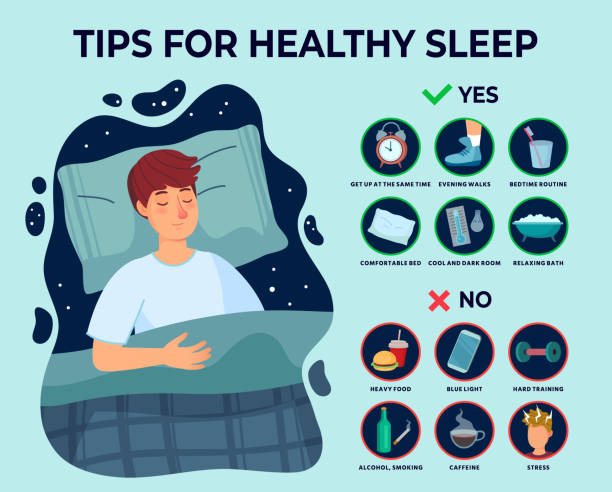
- All light affects melatonin, but blue light (from screens) is the worst.
- Use night mode on devices and wear blue light-blocking glasses.
- Avoid screens 2–3 hours before bed, or try “digital sunset” apps.
- Switch to warm lighting in your bedroom to mimic natural sunset.
6. Balance Your Mind and Body: Emotions, Food, and Movement Matter
🧘 Breathing and Meditation: Nature’s Sleep Aid
Mindfulness, deep breathing, and meditation reduce sympathetic nervous activity and promote deeper, longer sleep.
🏃 Move Daily—Even Gentle Activity Helps
You don’t need to hit the gym. Light movement like walking, cleaning, or stretching also improves sleep quality.
🥦 Stabilize Your Diet for Better Sleep
Avoid sugar, alcohol, and processed food—these disrupt digestion and hormone balance. A healthy gut means more restful nights.
7. The Ideal Bedtime Routine: What to Do 90 Minutes Before You Sleep
90 Minutes Before Bed:
- Dim the lights and switch to warm tones.
- Activate night mode on devices or wear blue-light blockers.
- Take a warm bath to help cool your body down naturally.
60 Minutes Before Bed:
- Turn off screens completely.
- Play calming music—think nature sounds or classical tunes.
- Use essential oils like lavender or sweet orange to relax your mind.
30 Minutes Before Bed:
- Do light stretching, meditation, or breathing exercises.
- Read a physical book or journal instead of scrolling your phone.
8. Can’t Sleep? The More You Try, the Worse It Gets
If you’re lying in bed for more than 20 minutes and still can’t sleep, don’t force it:
- Get out of bed and do something low-stimulation in another room (listen to calm music, read a book).
- Avoid looking at screens or any bright light.
- Only return to bed when you feel drowsy again.
9. Start Tonight: Small Shifts, Big Results
The key to better sleep isn’t buying fancy pillows or new sheets—it’s about resetting your internal rhythm and honoring nature’s cycle. Try this starting tonight:
- Get morning sun.
- Dim your lights in the evening.
- Put your phone away before bed.
- Give yourself a truly quiet night.
Good sleep isn’t a luxury—it’s a reachable lifestyle.
Tonight, choose a smarter way to rest—and welcome a deeper, more healing kind of sleep.