How to Reverse Disease and Slow Aging Through Diet: Starting with Gut Health
In modern society, an increasing number of studies show that a healthy lifestyle, especially dietary habits, directly determines the health of our gut. The gut is not only the site for digestion and nutrient absorption but also a crucial part of the immune system, even influencing our emotions and brain function. By regulating the gut microbiota through a reasonable diet, we can help reverse various chronic diseases, slow down the aging process, and fundamentally improve our quality of life.
1. The Close Relationship Between Lifestyle and Gut Health
The gut is home to trillions of microorganisms forming a complex microbial ecosystem. The diversity and balance of these microbes determine the gut’s barrier function and immune regulation. Data from the U.S. Department of Agriculture show that the modern Western diet severely disrupts gut microbial diversity and stability. On average, Americans get 32% of their total calories from animal-based foods, 57% from highly processed plant-based foods, and less than 11% from unprocessed whole grains, legumes, fruits, vegetables, and nuts.
Behind these numbers lies a shocking reality: Americans consume over 10 kg of pizza, 10 kg of artificial sweeteners, 13 kg of fries, and 14 kg of cheese per capita annually. The U.S. is the world’s largest meat consumer, with about 100 kg of meat eaten per person each year. Compared to Indians who may eat meat once in a while, Americans might consume it over thirty times in the same period. This “Standard American Diet” (SAD), dominated by high meat and processed foods, is considered by scientists a major threat to gut and overall health.
2. The Longevity Secret of the Blue Zones: The Power of Plant-Based Diets
Dan Buettner’s research on the global “Blue Zones”—regions with exceptionally high longevity rates—found that people in these areas enjoy remarkable health and lifespan. These zones include Okinawa in Japan, Sardinia in Italy, Nicoya in Costa Rica, Ikaria in Greece, and Loma Linda in California, USA.
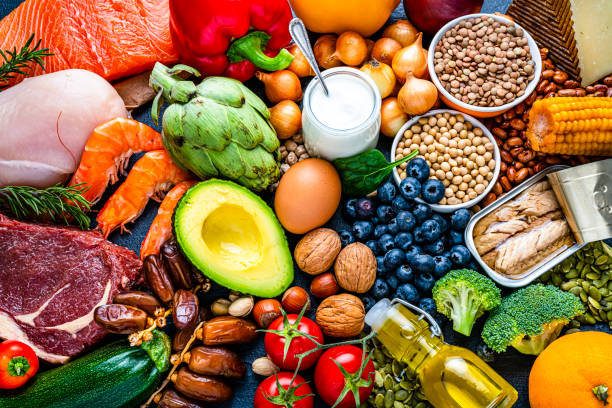
Their diets share a common feature: over 90% plant-based, with frequent consumption of seasonal fresh fruits, vegetables, legumes, whole grains, and nuts. They rarely drink milk and consume meat sparingly, mostly during celebrations. In contrast, the Standard American Diet relies heavily on processed foods, red meat, dairy, sweets, and snacks, all rich in sugar, salt, and unhealthy fats, severely disrupting gut microbiota balance.
The Blue Zones’ diets embody principles of plant dominance, low animal protein and fat, abundant fiber, and natural nutrients. This dietary pattern helps maintain gut microbial diversity and stability, prevents chronic inflammation, thereby slowing aging and reducing the risk of many diseases.
3. Hidden Health Killers: Excessive Sugar, Salt, and Additives
The Harm of Sugar
Americans consume over 69 kg of sugar annually, mostly added sugars. Sugar is not only empty calories but also severely damages gut microbiota by reducing microbial diversity and promoting the growth of pro-inflammatory strains. Rapid sugar absorption causes blood sugar spikes, triggering insulin resistance and metabolic syndrome.
Overly Refined Carbohydrates
Highly refined grains like white bread, polished rice, processed pasta, and sugary cereals lack fiber and are quickly absorbed in the small intestine, depriving the gut of slow-burning fuel. This diet disrupts gut balance and increases inflammation and metabolic diseases.
Excessive Salt
Processed foods contain very high salt levels. While salt is needed in limited amounts, excessive intake raises blood pressure and, by affecting gut microbes and stimulating immune helper T cells, can trigger autoimmune reactions and further damage health.
Chemical Preservatives and Additives
Modern foods contain thousands of additives, over 99% of which lack thorough study. Common emulsifiers like carboxymethylcellulose and polysorbate-80 have been proven to reduce microbial diversity, induce gut inflammation, and contribute to obesity and colitis. Titanium dioxide nanoparticles, used as food coloring, also worsen gut inflammation.
The Shadow of Artificial Sweeteners
Artificial sweeteners in sugar-free drinks and “low-calorie” foods, once thought healthy substitutes, have been found to disrupt gut microbiota even more severely, promoting inflammation, insulin resistance, and liver damage, while reducing sugar tolerance.
4. Choosing Fats: The Dividing Line Between Health and Disease
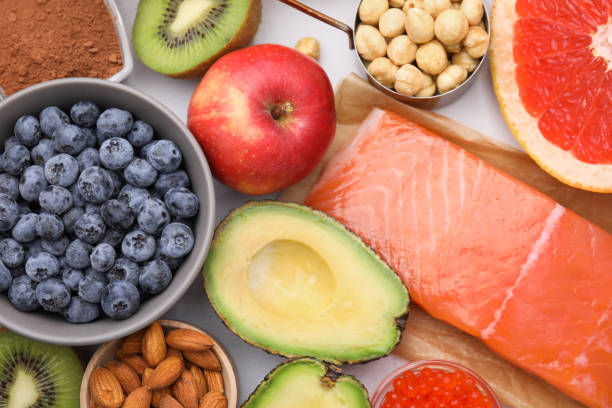
Fats are not all the same; some are essential for health, others are harmful.
Dangers of Unhealthy Fats
Research shows that high-fat diets, especially those rich in trans fats from processed oils, impair the gut barrier, increase intestinal permeability, and release bacterial endotoxins like lipopolysaccharides. These toxins cause chronic inflammation and raise risks of autoimmune diseases, cardiovascular disease, diabetes, and Alzheimer’s.
Trans fats, found in baked goods, fried foods, packaged cookies, and margarine, are globally recognized as harmful fats. Consumers should carefully read food labels to avoid them.
Benefits of Healthy Fats
Monounsaturated fats (like oleic acid in olive oil) and polyunsaturated fats (such as omega-3 fatty acids) are widely recognized as health-promoting. They foster beneficial gut bacteria, restore microbial balance, reduce inflammation, and even enhance microbial diversity. These fats act as “guards” for the gut, protecting our health.
The Dual Nature of Saturated Fats
Saturated fats are mainly in animal foods and certain tropical oils (coconut, palm). They promote the growth of pro-inflammatory bacteria like Bilophila wadsworthia, increase gut permeability and inflammatory substances, disrupt circadian rhythms, and contribute to obesity. Though trends like “butter revival” and bulletproof coffee promote these fats, caution is advised from a gut health perspective.
5. Protein Sources and Gut Health
Protein is an essential nutrient, but its source affects gut microbiota differently.
Benefits of Plant Protein
Plant proteins promote growth of anti-inflammatory probiotics like bifidobacteria and lactobacilli, inhibit harmful bacteria, help repair leaky gut, and improve gut barrier function.
Risks of Animal Protein
High animal protein intake is closely linked to increased pro-inflammatory bacteria producing harmful substances such as amines, sulfides, and secondary bile acids, which promote inflammation and cancer risk. It also increases gut permeability, causing chronic inflammation.
Animal protein contains L-carnitine and choline, metabolized by gut bacteria into trimethylamine oxide (TMAO), which is associated with cardiovascular disease, Alzheimer’s, diabetes, and other chronic diseases. Studies show TMAO levels significantly drop after four weeks of stopping red meat consumption.
While short-term high-protein diets aid weight loss, long-term high animal protein intake harms gut microbiota and health.
6. The Scientific Truth Behind Popular Diets
Paleo Diet
Advocates returning to ancestral eating: meat, eggs, vegetables, fruits, nuts; excluding grains, legumes, dairy, and processed foods. Though seemingly natural and healthy, recent studies indicate strict Paleo diets reduce gut microbial diversity and increase pro-inflammatory bacteria.
Ketogenic Diet
Low-carb, high-fat diets promote weight loss and metabolic improvement but may harm gut microbiota, causing imbalance and impaired gut barrier over time.
Intermittent Fasting
Helps promote autophagy, improve metabolism, and delay aging. Its effect on gut microbiota is still under study and should be combined with a balanced diet.
Vegan and Vegetarian Diets
Plant-based diets undoubtedly promote gut health and slow aging but require balanced nutrient intake to avoid deficiencies in vitamin B12, iron, and others.

7. A Health Action Plan Starting with Gut Health
- Increase intake of plant-based foods: fruits, vegetables, legumes, whole grains, and nuts.
- Reduce processed foods and sugar consumption.
- Choose healthy fats such as olive oil, flaxseed oil, and fish oil.
- Control animal protein intake; prioritize fish and poultry; avoid red meat.
- Avoid trans fats and excessive salt.
- Try intermittent fasting appropriately alongside balanced nutrition.
- Maintain regular exercise and good sleep to support gut health and immunity.
- Drink plenty of water; avoid sugary beverages.
- Pay attention to mental health, as psychological stress affects gut microbiota.
- Supplement probiotics and prebiotics if necessary, but focus on natural diet.
By adjusting dietary habits to reshape the gut microbiome, we can not only prevent and reverse chronic diseases but also effectively slow aging, allowing us to live longer, healthier, and more energetic lives. This is a revolution that begins with “what we eat,” deserving everyone’s deep attention and practice.