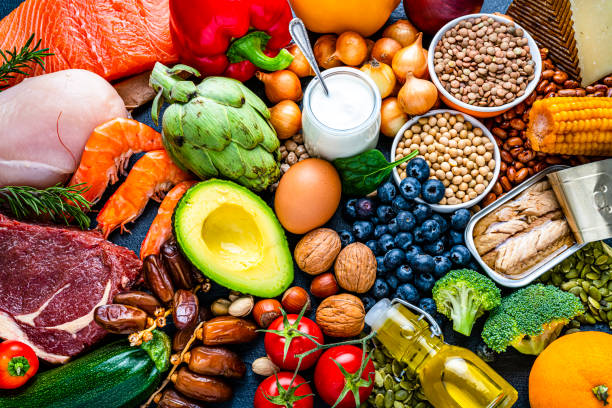
We often think of health as something complex and distant—something that depends on professional medical treatment, expensive supplements, or intricate diagnostic devices. But in reality, staying healthy is far simpler than we imagine. You don’t need to spend a fortune or chase after mystical remedies. Simply eating well—three mindful meals a day—is already laying down a powerful foundation for your immune system.
Food is more than just fuel or a way to satisfy hunger. It contains a long-overlooked healing power. The natural ingredients on your plate—fruits, vegetables, nuts, grains, legumes, fermented foods, healthy fats—are the body’s most trusted form of medicine. Once you begin to trust and harness the healing power of food, goals like reducing inflammation, burning fat, detoxifying cells, balancing hormones, and even reversing chronic conditions like obesity, diabetes, depression, cancer, inflammation, or dementia suddenly become more achievable—at the root level.
I. Whole Food Diversity: Turn Your Plate into a Natural Pharmacy
Strive for food that is whole, fresh, clean, and vibrantly colorful
Truly healing nutrition must be diverse, unprocessed, and nutrient-dense. The primary energy we consume each day should come from the following categories:
- Plenty of fruits and vegetables: Eat a rainbow—each color offers a unique set of phytochemicals that work together to detoxify, reduce inflammation, and protect cells.
- Legumes, nuts, and seeds: These are packed with quality plant-based protein, fiber, and healthy fats—key to stabilizing blood sugar and mood.
- Whole grains: Brown rice, oats, quinoa, millet—unrefined grains nourish your gut microbiome and provide sustained energy.
- Healthy fats: Olive oil, avocado, coconut oil, flaxseed oil—these nourish the brain and naturally fight inflammation.
- Sprouts and germinated grains: The earliest life stage of plants is rich in enzymes and micronutrients—true “superfoods.”
Daily Eating Guide:
- Aim for a rainbow plate at every meal—include a variety of colored fruits and veggies.
- Include at least one or two raw meals daily—think salads or green smoothies.
- Consume high-quality animal products occasionally, and only from organic, grass-fed, hormone-free sources.
- Try a new legume or vegetable each week to expand your nutritional spectrum.
- Grow your own microgreens at home—it’s healing for both body and mind.
- Let the color, scent, and shape of real food guide your appetite—not the engineered appeal of processed alternatives.
II. Nurture Your “Second Brain”: Your Gut Microbiome is the Root of Health
Your gut is far more than a digestive tract. It’s a rich ecosystem home to trillions of microbes, forming a hidden “organ” that shapes immunity, mood, and even brain function.
Keys to Supporting a Healthy Gut Ecosystem:
- Minimize sugar and refined carbs: These feed harmful bacteria and increase cravings, creating a vicious cycle.
- Avoid overuse of antibiotics, antibacterial soaps, and sanitizers: These kill both good and bad microbes.
- Eat fermented foods daily: Sauerkraut, kimchi, miso, kefir, and quality yogurt provide beneficial bacteria in their natural form.
- Consume plenty of dietary fiber: It feeds the good bacteria, helping them thrive and work their magic.
- Think of food as mood medicine: Your emotional state is deeply tied to your gut flora. Anxiety, depression, and mood swings often originate in an imbalanced microbiome.

III. From Just Drinking Water to Drinking It Right: Redefining Hydration
Most of us are mildly dehydrated—especially first thing in the morning. Proper hydration is the foundation of a healthy day. And the quality of the water you drink matters more than you might think.
Golden Rules of Hydration:
- Drink a large glass of warm water first thing after waking to jump-start metabolism.
- Help children rehydrate in the morning to boost focus and mental performance at school.
- Choose filtered or distilled water, and add a pinch of natural mineral salt to replenish electrolytes.
- Avoid sugary, artificially flavored bottled “vitamin waters”—they do more harm than good.
- Feeling tired, anxious, or headachy? Don’t rush to medicate. Try water first—it’s your body’s first SOS signal.
IV. Breathing is More Than a Reflex—It’s a Daily Healing Ritual
We breathe all the time, but rarely do we breathe well. Deep, slow, intentional breathing improves oxygenation, calms the mind, and even boosts immune function.
Make Breathing Work for You:
- Breathe deeply through your nose—this filters air and activates the parasympathetic nervous system, promoting calm.
- Practice belly breathing: Inhale fully into the abdomen, then exhale slowly to relax both body and mind.
- Spend time outdoors daily—parks, forests, and open spaces are oxygen-rich environments.
- Try breath-based practices like meditation, yoga, or tai chi.
- Remember: Your breath mirrors your physical and emotional state. Tune into it often.
V. The Invisible Killers Lurking in Everyday Food
What truly harms health isn’t just fat or calories—it’s often the seemingly ordinary ingredients that carry hidden risks: processed sugars, refined grains, trans fats, artificial additives, and more.
Avoiding Nutritional Stressors: A Checklist
- Steer clear of added sugars and refined flours, which spike blood sugar, trigger inflammation, and increase visceral fat.
- Say no to artificial sweeteners—they can disrupt hormones and actually sabotage weight loss.
- Choose food in its natural state and minimize anything with a long, unpronounceable ingredient list.
- Use unbleached sea salt or Himalayan salt for its electrolytes and trace minerals.
- Avoid GMO and pesticide-laden produce—opt for organic, certified, or home-grown alternatives.

VI. Supplement Smartly: Support, Don’t Rely
Modern diets often fall short in micronutrients. Well-chosen supplements can be a helpful support system for your healthy lifestyle—not a crutch.
Key Supplements to Consider:
- Vitamin D3: Crucial for those lacking sun exposure—essential for immunity, bone strength, and mood regulation.
- Vitamin B12: Especially important for vegetarians—it supports brain and nerve health.
- Digestive enzymes: Enhance nutrient absorption and reduce bloating.
- High-quality probiotics: Rebuild your gut flora and improve immunity.
- Antioxidants like Vitamin C, selenium, zinc, and CoQ10: Protect your cells from oxidative stress and free radicals.
VII. The Ultimate Rule of Healthy Eating: Love What You Eat, Eat What You Love
Health shouldn’t feel like deprivation—it should feel like joy. You don’t have to force down foods you hate just because they’re “good for you.” Real healthy eating is about discovering pleasure in what nourishes you.
Our job isn’t to fight cravings with willpower, but to retrain our taste buds to genuinely enjoy the foods that support our bodies. When your palate reconnects with nature’s rhythms and flavors, your body responds in kind—with more energy, clearer thoughts, steadier moods, and a deep sense of vitality.