A Deep Dive into Self-Realization and Inner Needs

We often blame procrastination on laziness or a lack of willpower. But the real story goes much deeper. Procrastination is not a flaw of character—it’s a signal from unmet psychological needs. When we truly understand what we want and what we need, taking action becomes far less difficult.
1. Is Maslow’s Hierarchy of Needs Outdated?
For decades, Maslow’s Hierarchy of Needs has shaped how we understand motivation. From basic physiological needs to safety, love and belonging, esteem, and finally, self-actualization—this pyramid model once seemed to explain everything. But modern psychology tells a more nuanced story.
After Maslow’s death, his theory was expanded. Psychologists added cognitive needs and aesthetic needs, and placed transcendence—concern for others, serving society, or seeking cosmic meaning—at the very top.
Psychologist Clayton Alderfer further streamlined Maslow’s model into the ERG theory, which categorized human needs into three core areas: Existence, Relatedness, and Growth. Importantly, these aren’t fulfilled in a strict order. They can fluctuate dynamically. When growth is stifled, people often compensate by clinging to material gain or emotional relationships—one major source of anxiety and inner turmoil.
2. Needs Are Not a Ladder—They’re a Web

Chilean-German economist Manfred Max-Neef proposed a more interconnected framework. He identified nine fundamental human needs: subsistence, protection, affection, understanding, participation, leisure, creation, identity, and freedom.
These needs don’t compete. They co-exist and interact. For example, creativity can enhance one’s identity; participation fosters understanding and affection; a stable environment meets both protection and freedom.
This web-like model more accurately reflects the complexity of real-life human motivation. And when these needs are ignored or superficially addressed, we mistakenly believe that earning more, looking better, or becoming more efficient will fix everything. But often, these are just surface-level distractions from deeper voids.
3. The Hidden Anxiety Behind the “Beauty Economy”
You’ve probably heard the phrase: “Pretty faces are everywhere, but interesting souls are rare.” Still, reality isn’t fair.
Studies show attractive people have an advantage in nearly every area: career, romance, social trust. They often earn 10–15% more. Economist Daniel Hamermesh even calculated that less-attractive individuals may earn $140,000 less over a lifetime.
Thus, appearance anxiety is everywhere—beauty filters, cosmetic surgery, fitness influencers. We seek safety and acceptance in physical appearance, but what we truly crave may be self-acceptance and inner confidence.
4. Daydreaming Isn’t Laziness—It’s Mental Self-Repair
We’re taught from a young age to “pay attention” and stop daydreaming. But is zoning out really a bad thing?
Psychologist Jerome Singer identified three types of daydreams:
- Positive-constructive: creative, playful, imaginative—boosts innovation.
- Guilty-dysphoric: anxiety-driven, filled with worry or internal conflict.
- Poor-attentional control: aimless distraction due to stress or fatigue.
Positive daydreaming helps us plan, relieve pressure, develop empathy, and even improve learning. Studies show that reviewing tasks mentally between study sessions can enhance memory. While you’re “spacing out,” your brain may be silently sorting through emotions and preparing for focused action.
5. Becoming Your Best Self Doesn’t Start with Change—It Starts with Awareness
How do we become our “best selves”? Maslow said the answer lies in self-actualization.
According to his research, self-actualized individuals are realistic, accepting, creative, honest, independent, humorous, and deeply concerned about humanity. They don’t follow trends blindly but recognize “peak experiences”—intensely meaningful and joyful moments of insight.
The path to self-actualization isn’t mysterious. The first step is simple: make one small, intentional choice beyond your comfort zone. Just one small action can help you see yourself as someone who takes action—and that self-image is powerful.
Most importantly: Live authentically.
This means doing what you truly believe in—even if it’s unpopular or misunderstood. Honesty isn’t about confession—it’s about being real with yourself. Each authentic choice reaffirms who you are.
6. Why Haven’t You Started Yet? The Real Roots of Procrastination
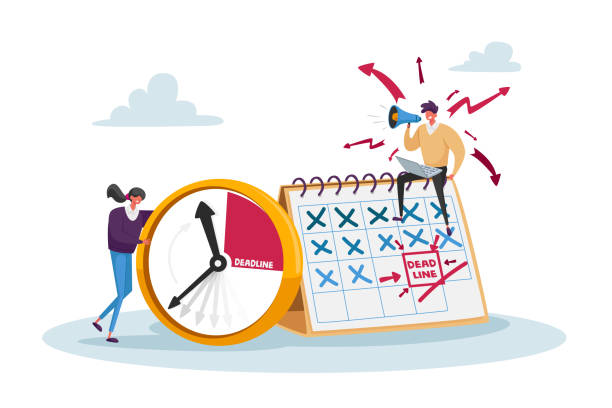
Procrastination isn’t always about perfectionism. More often, it’s emotional avoidance. We’re not afraid of doing the task—we’re afraid of feeling the emotions that failure might trigger.
This is called self-sabotaging procrastination—we replace important tasks with substitute behaviors.
Think: you plan to write, but suddenly clean your desk; you plan to work out but end up scrolling for an hour. Animal studies show similar behavior: when birds face conflict and can’t decide to flee or fight, they start pecking at the ground.
This apparent “effort” is really a coping mechanism. The deeper issue is internal conflict: either your goal isn’t clear, or it doesn’t truly belong to you.
Procrastination isn’t about weakness. It’s about a misalignment within.
7. How to Break Free from Procrastination and Take Charge
- Start with something tiny
Don’t aim to “change your life.” Just complete one five-minute task. Small wins create momentum and reinforce your sense of agency. - Ask yourself: What are you avoiding?
Is it fear of failure? Social pressure? Loneliness? Facing the feeling is the first step toward dissolving it. - Set a schedule for your dream, and rhythm for your action
Don’t wait to “feel ready.” Structure your goals into daily or monthly steps. Structure beats willpower. - Let go of perfection—allow yourself to do it badly
You must begin before you can improve. Progress requires imperfection. - Shift your focus from outcomes to experiences
Don’t just aim to “succeed”—aim to feel engaged. Enjoying the process sustains your energy and motivation.
Final Words: Who You Want to Be Begins with What You Do Now
Procrastination isn’t the enemy—avoidance of choice is. You don’t need to be perfect or fully prepared. Change always starts in the moment you decide to be honest with yourself.
So ask:
If you didn’t have to please anyone, what life would you choose?
There’s no better moment to begin than this one.