Harvard Geneticist’s Surprising Discovery: The Real Secret to Slowing Aging Isn’t Just About Eating Less
Harvard Geneticist’s Surprising Discovery: The Real Secret to Slowing Aging Isn’t Just About Eating Less
A long and healthy life isn’t a lucky accident—it’s the result of daily choices.
When people talk about slowing aging or pursuing longevity, many immediately think of expensive supplements, cutting-edge gene therapies, or mysterious anti-aging pills. But after 25 years of research, Harvard Medical School genetics professor David Sinclair came to a shockingly simple conclusion: The true secret to slowing aging starts with something anyone can do right now—eating less.
The Most Important Advice: Eat with Restraint, Not Starve Yourself
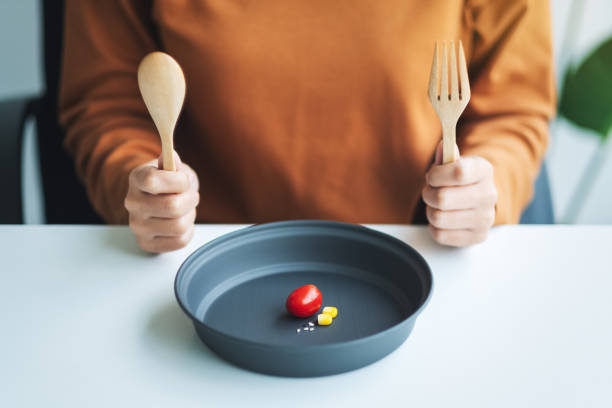
After reviewing thousands of authoritative papers on aging, metabolism, and lifespan, Sinclair’s first recommendation wasn’t to take more supplements, exercise more, or start anti-aging drugs. Instead, he said: “If you can only do one thing to slow down aging, make it this—consciously control your food intake, especially by reducing calorie consumption.”
This doesn’t mean starving yourself, becoming malnourished, or eating only bland boiled vegetables. Rather, eating less aims to put your body in a slightly ‘hungry’ state, which activates deep genetic survival mechanisms—mechanisms that are key to extending life.
Intermittent Fasting: A Scientifically Proven Path to Longevity
Harvard Geneticist’s Surprising Discovery: The Real Secret to Slowing Aging Isn’t Just About Eating Less
We already know that long-term calorie restriction can extend lifespan in mammals. But newer methods like “fasting-mimicking diets” show similar effects. In one study, participants dramatically reduced their calorie intake for just five days a month, eating mostly vegetable soups, energy bars, and supplements. After three months, participants lost weight, reduced fat, lowered blood pressure, and—most importantly—their levels of IGF-1 (Insulin-like Growth Factor 1) dropped significantly.
Lower IGF-1 levels are linked to reduced disease and mortality risks. Interestingly, many women who live beyond 100 years of age naturally carry gene variants associated with lower IGF-1 activity—but even if you weren’t born lucky, you can mimic this “longevity profile” through diet.
Popular Restriction Methods: Find What Works for You
Two widely researched approaches are:
16:8 Intermittent Fasting: Eat only within an 8-hour window daily (e.g., skip breakfast, eat lunch and dinner).
5:2 Diet: Choose any two days per week to drastically reduce calorie intake to 500–600 calories, eating normally the other five days.
No matter which method you choose, the core idea is: Let your body periodically experience slight hunger, which activates cellular repair and longevity genes.
More Nutrition Isn’t Always Better: Be Smart About Protein
Yes, we need protein—especially essential amino acids like methionine and leucine—but overconsumption may accelerate aging in the long run.
Methionine: Abundant in red meat, poultry, and eggs. Research shows restricting methionine intake can slow aging.
Leucine: Promotes muscle synthesis and is popular among gymgoers. But it also activates mTOR, a pathway linked to aging.
Recent animal studies even show that short-term leucine restriction can improve metabolism and lower blood sugar levels. So more protein doesn’t necessarily mean better health—it’s about strategic and timed intake.
Eat more plant-based proteins and reduce animal protein—especially on non-workout days—as a smart anti-aging strategy.
Exercise: Just 10 Minutes a Day Could Add 10 Years to Your Life
You don’t need to sweat buckets every day to live longer. In fact, consistent, moderate activity is extremely effective.
Harvard Geneticist’s Surprising Discovery: The Real Secret to Slowing Aging Isn’t Just About Eating Less
A CDC study found that people who jogged 30 minutes a day, 5 days a week, had telomere lengths (a key aging marker) equivalent to those nearly 9 years younger than sedentary individuals.
Another analysis showed that just 4–5 miles of jogging per week (less than 15 minutes per day) can reduce heart disease death risk by 45% and all-cause mortality by 30%.
In short: Staying active is the best natural anti-aging medicine.
Induce “Hormetic Stress”: Cold Exposure as a Powerful Trigger
Cold exposure activates brown fat, a type of tissue that burns calories and regulates metabolism, helping slow aging.
Many are now trying cryotherapy (cold chambers, cold plunges) to train their resilience. This brief, controlled discomfort activates longevity genes and puts the body into self-repair mode.
But like all stress-based therapies, moderation is crucial. Too much cold can weaken immunity or even cause injury.
Want to unlock your body’s potential? Learn to let it face a little discomfort.
Avoid Hidden Killers: Chemical Pollutants and Radiation
Everyday life exposes us to substances that silently accelerate aging:
Smoking: Each puff damages your genes.
Plastic toxins: PCBs, phthalates—common in bottles and takeout containers.
Nitrites: Found in cured meats like bacon and processed beer, these are potential carcinogens.
Radiation: UV rays, X-rays, CT scans, and radon gas at home—silent DNA destroyers.
Minimizing exposure to these threats may be more effective than any antioxidant supplement.
Inside the Harvard Longevity Lab: The Professor is His Own Test Subject
Though Sinclair doesn’t endorse products or sell supplements, he openly shares his personal anti-aging routine:
Daily Supplements:
1g NMN (Nicotinamide Mononucleotide)
1g Resveratrol (mixed with homemade yogurt)
1g Metformin
Vitamin D, Vitamin K2
83mg Aspirin
Diet:
Low sugar, low-carb, almost no dessert
Intentionally skips one meal (often lunch)
Primarily plant-based, with occasional meat (especially post-workout)
Lifestyle:
Daily brisk walking + stair climbing
Weekend weightlifting and jogging with his son
Sauna + cold showers
Maintains BMI between 23–25
No smoking, no heated plastics, no sunbathing, no unnecessary X-rays
In his words: “I know the cost of not doing these things. To me, not trying is far scarier.”
Final Thoughts: Youthfulness Is a Choice, Not Just a Blessing
Longevity isn’t just a gift from the heavens—it’s the result of consistent, deliberate actions over time.
Controlled eating doesn’t mean deprivation.
Regular exercise doesn’t mean overtraining.
Avoiding toxins doesn’t mean living in a bubble.
Embracing mild stress (like fasting or cold) can unlock hidden biological potential.
Every choice you make today shapes whether your future self will age with health, dignity, and vitality.