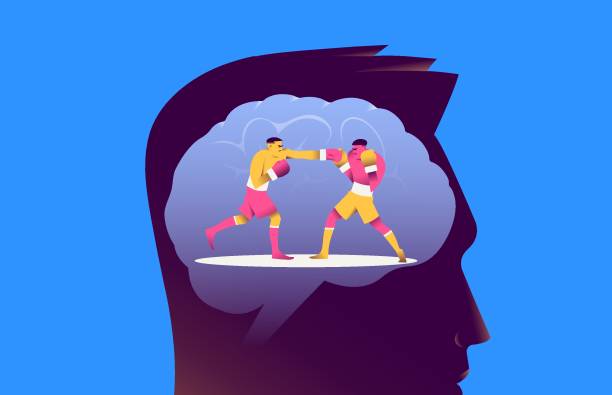
Do you often suffer from inner anxiety? Do you find yourself tossing and turning at night, your mind racing uncontrollably, unable to shake off that vague sense of tension? If anxiety is your constant companion, please know you are not alone. Tens of millions of people worldwide share similar struggles. Anxiety can strike anytime, anywhere, in many different forms. Fortunately, with scientific psychological methods and lifestyle adjustments, you can fully take control of your emotions and significantly ease or even completely resolve your inner anxiety.
1. Why Do We Feel Anxious?
Anxiety is a natural response of the body and brain when facing potential threats. It originated from our ancestors’ survival instincts that required constant vigilance to danger. In modern life, although real threats have greatly diminished, the brain still tends to overreact to stressful events. We worry about the future, imagine the worst-case scenarios—often without evidence—but these imaginings can be deeply disruptive.
Real Case: Health Crisis Triggered by Marriage Pressure Anxiety
A recent news story is thought-provoking: a 27-year-old woman from Jinan, Shandong, experienced such intense anxiety caused by her parents’ relentless pressure to get married that she developed difficulty breathing and numbness in her limbs. She was ultimately diagnosed with respiratory alkalosis. Doctors pointed out that her rapid breathing caused by emotional agitation was the main trigger. This case warns us that anxiety not only affects mental health but can also lead to serious physical problems.
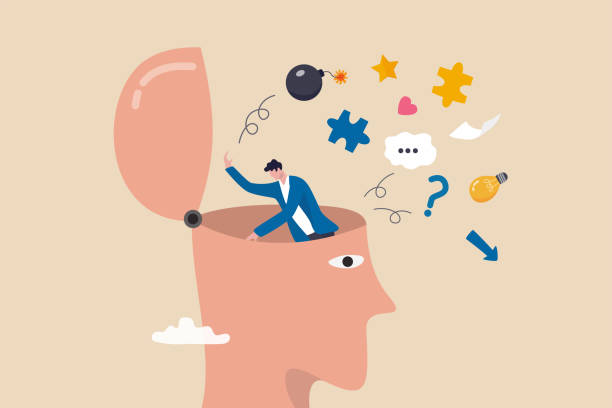
2. Anxiety Is Not a “Bad” Emotion—Learn to Respond to It Correctly
When you are caught in negative emotions, feelings of frustration and helplessness may make you believe you have committed unforgivable mistakes. But emotions themselves are neither good nor bad; they are essential and beneficial signals in life. The problem usually lies in our attempts to completely reject or suppress negative feelings, which only worsens anxiety.
Important Understandings:
- All emotions are normal and necessary.
- Trying to avoid negative emotions only intensifies anxiety.
- Regularly noticing and expressing emotions can reduce inner pressure.
- Accepting all your feelings is an important step toward self-healing.
- You have the ability to face negative emotions while maintaining mental health.
3. How to Dissolve Anxiety Through Acceptance?
Strategy One: Learn to Accept Painful Emotions
Accepting negative emotions doesn’t mean giving up or letting them run wild; it means allowing yourself to honestly face your true feelings. Avoiding and resisting them often leads to more pain from emotional rebound. Try recalling moments when not facing your emotions caused loss of control or intensified anxiety, and experience the consequences of avoidance.
Practical Steps:
- Find a quiet moment to recall experiences that made you anxious or emotionally overwhelmed.
- Acknowledge that your first reaction was to avoid those emotions.
- Reflect on the results of avoidance: Did anxiety increase? Did you waste precious energy? Did it affect your ability to enjoy happiness?
- Encourage yourself to try facing these emotions with understanding and support.
Strategy Two: Practice “Coexisting” with Negative Emotions
If you’re not used to feeling painful emotions, try this simple 10-minute exercise:
- Set a timer for 10 minutes and recall an emotion you usually want to avoid.
- Notice discomfort in related body parts and try to describe the sensation.
- Gently tell yourself: “Welcome, I’m glad you’re here.”
- Imagine observing your emotions as if they are a separate existence, looking at them objectively.
- Tell yourself: “I’m giving you space. I can feel this and also trust that I can regain calm.”
- During the exercise, anxiety might increase; remind yourself you have the strength to face it and that anxiety will not defeat you.
When time is up, gently put down the emotion and return to daily life.
4. Mind-Body Connection: The Deep Impact of Physical Health on Anxiety
Anxiety is not just in your mind—it affects your physical health. Chronic anxiety pressure may cause insomnia, poor appetite, accelerated heartbeat, and other symptoms. In severe cases, your body may feel like it is “betraying” you, as if you have lost control over yourself. The body and brain are closely connected; improving physical health also helps improve emotional health.
Strategy Three: Develop Good Sleep Habits
Quality sleep is the foundation for emotional regulation. Anxiety often causes difficulty falling asleep or waking up and not being able to return to sleep. A stable sleep routine helps your brain develop “relaxation cues,” gradually allowing you to naturally enter a restful state.
Sleep Preparation Tips:
- Begin your bedtime routine at the same time every night.
- Turn off phones, computers, and other electronics to avoid blue light stimulation.
- Take a warm bath and put on comfortable pajamas.
- Drink a caffeine-free warm beverage, such as chamomile tea.
- Practice deep breathing or progressive muscle relaxation.
- Read a light book until your eyelids feel heavy, then turn off the lights.
- If you can’t sleep, don’t worry—remind yourself “even being awake is still resting.”
- Get up at a fixed time in the morning and avoid long naps during the day to maintain rhythm.
Strategy Four: Exercise to Release Anxiety
Regular exercise not only releases accumulated stress but also increases endorphin (natural painkiller) levels and decreases the stress hormone cortisol, thereby improving mood. Research shows that aerobic exercise at least 30 minutes, five times a week—such as brisk walking, jogging, or cycling—has significant mental health benefits.
Exercise Recommendations:
- Create a personalized workout plan with activities you enjoy.
- After each session, notice the uplift in your mood.
- During extreme anxiety, try the “10-minute remedy”: high-intensity brisk walking or jumping to quickly ease emotions.
Make exercise your ally in the fight against anxiety.
Strategy Five: Adjust Your Diet—Nutrition Supports Emotional Management
Diet affects not only physical health but also emotions. Balanced nutrition helps stabilize hormone levels and reduce anxiety. Cutting down on processed foods and high sugar intake, while increasing fruits and vegetables and drinking plenty of water, is fundamental.
Dietary Advice:
- Drink enough water daily (about 8–10 cups).
- Eat plenty of fresh vegetables and fruits, ensuring variety.
- Control sugar intake to avoid blood sugar spikes that cause mood swings.
- Include foods rich in Omega-3 fatty acids, magnesium, and B vitamins to support nervous system health.
5. Build Your Personal Emotional Regulation “Toolbox”
Anxiety may be inevitable, but you can fully manage it using scientific methods. By integrating acceptance exercises, emotion coexistence, good sleep, regular exercise, and healthy nutrition into your life, you will gradually build a strong psychological defense. Remember, reducing anxiety is within your control. With consistent practice, you will experience true inner peace and freedom.