
Entering middle age is a significant turning point in life. Our bodies begin to change quietly; the vitality of youth gradually gives way to subtle fatigue and occasional illnesses. A friend of mine once suffered acute pneumonia during a trip and nearly lost his life. This life-or-death experience was a wake-up call, pushing him to dive into all sorts of health experiments and lifestyle explorations — like a true “life hacker,” constantly testing and adjusting to find the health path that suits him best. I’ve had similar experiences, and every time I read his story, I feel a deep resonance.
For ordinary people, health might mean a plate of vegetables at the table or a daily half-hour walk. For the obsessed, it’s a detailed exercise plan or a precise dietary control scheme. No matter the level, what matters most is consistent action and attentiveness to the body. Below, I will share some practical and easy-to-follow health tips based on my and my friend’s experiences.
How to Turn the World into Your Gym?
Many people feel they don’t have enough time to exercise, but if you know how to use your environment and daily life details, you can work out anytime, anywhere. Here are some tips both ordinary people and health enthusiasts can try:
6 Simple Tips for Everyone
- Resist the temptation of “luggage carrying services”
At airports or stations, staff often eagerly offer to carry your luggage. But handling your own bags is a great exercise opportunity. Walking with moderate weight trains your body and keeps you energized. - Squat down when talking with kids
Try squatting to meet children at eye level. This not only improves your relationship with them but also strengthens your leg muscles and flexibility. - Park farther away
Deliberately park in the farthest corner from the entrance to add a few hundred meters to your walk. Over time, your step count and endurance will improve. - Use stairs more, elevators less
Stairs are the most accessible and effective gym equipment. Choosing stairs in daily life boosts cardiovascular health and leg strength. - Keep your body active with small movements
Studies show that simple actions like gently tapping your legs or rotating your ankles while sitting or standing promote blood circulation and reduce cardiovascular risks. - Use underground passages to exercise on stairs
Choose underpasses when crossing streets to avoid waiting at traffic lights and get some stair climbing for your legs.

7 Advanced Tips for Fitness Enthusiasts
- Carry extra gear when running
If you have to work during the day, bring deodorant and a change of clothes to freshen up quickly after your run. - Walk and talk during meetings
Long meetings encourage sitting. Try walking meetings through the office corridors to boost both efficiency and physical activity. - Eat while squatting
Squatting is excellent for leg flexibility and strength. Try having lunch in a squat — it’s healthy and refreshing. - Use your body instead of the remote
Get up to change TV channels instead of sitting still. - Wear a thick vest all day
Keeping warm raises calorie burning and boosts your basal metabolic rate. - Engage the brakes when pushing strollers or carts
Create extra resistance to increase exercise intensity. - Use your child as a weight
Carrying or lifting your child strengthens your body and deepens your bond.
On Diet — How to Control Your Food Intake Scientifically?
Controlling portion size is key to healthy eating. Whether you’re an average eater or a diet fanatic, the following suggestions are worth considering.
4 Practical Tips for Everyone
- Use smaller plates
A full-looking plate tricks your brain into feeling satisfied, helping prevent overeating. - Chew slowly and thoroughly
Chew each bite at least 50 times to give your brain time to register fullness and avoid excessive intake. - Turn off the TV while eating
Eating with the TV on can increase food consumption by 71% unconsciously. Avoid distractions. - Put down utensils between bites
Rest your fork, spoon, or chopsticks between bites to slow down your eating pace.
6 Professional Tips for Diet Enthusiasts
- Carry your own utensils
Bringing your own fork or chopsticks helps avoid grabbing unhealthy snacks impulsively. - Portion snacks into small bags
Repackage snacks to control the amount you eat. - “Penalty check” method
Write a large check to a “harmful organization” and agree with friends to pay if you overeat — creating psychological accountability. - Eat in front of a mirror
Research shows mirrors help reduce food intake by increasing self-control. - Respect your future self
Create a digital photo of your older self and keep it in your wallet to remind you to care for your future health. - Appetite suppressants
Eating apples, spicy soups, nuts, and drinking plenty of water helps curb appetite effectively.
- Apples reduce calorie intake,
- Nuts and legumes provide lasting fullness,
- Drinking water before meals aids weight loss,
- Chili reduces cravings for sweets and fats,
- Drinking clear broth before meals can cut over 100 calories.
The Wisdom of Food Choices — 10 Golden Rules
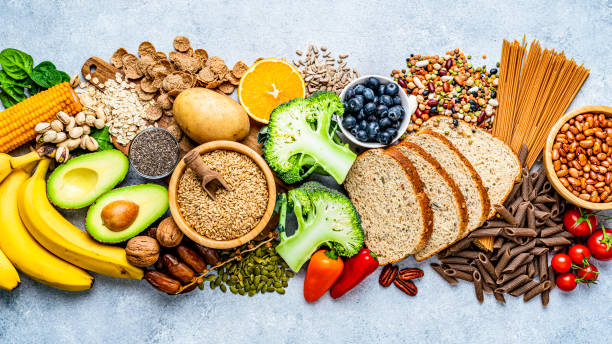
Eating isn’t just about what you eat but how and why. Here are some insightful tips:
- Eat one vegetable at a time
Like eating a hot dog, enjoy carrots or other veggies solo to build enjoyment and acceptance of healthy food. - Avoid white refined foods
White bread, pasta, and potatoes spike blood sugar quickly and increase obesity risk. - Seek “crunchiness” in food
Add sunflower seeds or similar crunchy toppings for greater satisfaction. - Shop only the supermarket perimeter
The middle aisles mostly contain processed foods; the edges have fresh, healthier options. - Make meat a side dish
Vegetables should be the star; meat is a complement. Thomas Jefferson had this wisdom long ago. - Create “pause points” when snacking
Slow down, put snacks far away to avoid mindless eating. - Eat protein and fat at breakfast
Eggs and walnuts prevent blood sugar spikes and hunger. - Eat a colorful vegetable diet
Different colors provide diverse antioxidants. - Buy a steamer
Steaming retains nutrients and reduces oil intake. - Don’t let healthy eating become lonely asceticism
Over-obsession can isolate you; health should be joyful.
There is no shortcut on the road to health, only continuous exploration and self-adjustment. As a middle-aged person, my friend and I have gradually found a lifestyle that suits us through constant trial and error. Every tiny change in your body deserves attention; every healthy habit is an investment in your future. I hope this article inspires you and kickstarts your own journey toward health.