
In today’s fast-paced and hyper-competitive workplace, we’re constantly told to wake up early, work late, hustle harder, and power through fatigue. But in the rush to “do more,” we often overlook one of the most underestimated yet essential capabilities: high-quality sleep.
A growing body of scientific research shows that if you want to improve memory, boost creativity, make better decisions, maintain mental health, and prevent chronic diseases, the most effective and natural solution is simple — get good sleep.
That’s right — in the modern workplace, the real advantage doesn’t belong to the person who sleeps the least, but to the one who sleeps the best.
1. Sleep Fuels Memory: It’s Not Just Rest—It’s Reinforcement
In our daily learning and work, information floods our brains like a tidal wave. Whether we retain that information and turn it into useful knowledge or skills hinges largely on one thing: quality sleep.
● The Three Stages of Memory: Encoding, Consolidation, Retrieval
- Encoding: When new information first enters the brain — like saving data to a hard drive.
- Consolidation: Happens during sleep, when the brain stores that information in long-term memory.
- Retrieval: The process of recalling that stored information when needed.
Without adequate sleep, this cycle breaks down. Especially after learning something new or preparing for a big presentation, skipping quality sleep means your brain may fail to “upgrade” those memories — leading to blank minds and forgotten details when you need them most.
● The Deep Link Between Sleep and Memory:
- Episodic (event-based) and semantic (fact-based) memories rely on slow-wave sleep (SWS).
- Procedural memory (like riding a bike or using hand gestures during a speech) is processed during REM sleep.
- Sleep deprivation before learning can reduce memory retention by up to 40% — and makes you more likely to remember negative experiences.
Want to learn faster, retain better, and think sharper? Sleep first.
2. Better Sleep, Better Decisions: How Rest Shapes Your Judgment
In the workplace, your ability to make sound decisions can determine how fast you rise through the ranks. A well-rested brain is more capable of weighing pros and cons, forecasting risks, and crafting thoughtful strategies. A sleep-deprived brain, by contrast, behaves like a drained phone — sluggish, error-prone, and prone to crash.
● Different Decisions, Different Sleep Needs:
- Routine decisions — Like checking emails or scheduling meetings. Even mild sleep deprivation can derail these basic tasks.
- Rule-based decisions — Like analyzing reports or interpreting data. These stay intact longer, but start failing after 36 hours without sleep.
- Creative decisions — Like brainstorming ideas, solving complex problems, or managing teams. These heavily rely on the prefrontal cortex — the part most sensitive to lack of sleep.
● Sleep Loss Increases Decision-Making Risks:
- You become more impulsive, underestimating potential failures.
- You’re less receptive to feedback, and struggle to read others’ emotions.
- Your focus drops, leading to zoning out during meetings.
- You may make disastrous decisions under pressure — history proves it.
From the Challenger explosion to Chernobyl, many high-profile disasters had one thing in common: fatigue and sleep deprivation. Don’t let a lack of rest silently sabotage your judgment.
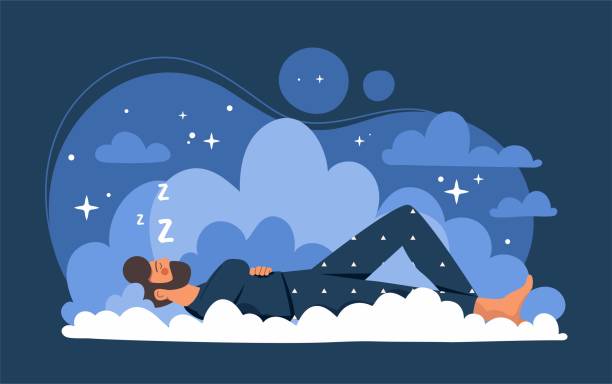
3. Real Creativity Grows in Your Sleep
Think creativity only comes from burning the midnight oil? Think again. During sleep — especially light non-REM sleep — the brain reorganizes and reshapes existing knowledge, creating space for insights and new ideas.
● How Sleep Enhances the Four Pillars of Creativity:
- Fluency — Number of ideas you can generate.
- Flexibility — Variety and diversity of your ideas.
- Originality — How novel your ideas are.
- Elaboration — How well you refine and improve on ideas.
Studies show:
- More light sleep (NREM stage 1) = broader, richer creative output.
- Deep slow-wave sleep (NREM stage 4) supports innovative problem solving.
- Excessive REM sleep can interfere with originality.
- Less sleep = less integration = no room for ideas to bloom.
If you’re a creator, entrepreneur, or strategist, forget the late-night coffee. Get a solid night’s rest to keep the inspiration flowing.
4. Poor Sleep Isn’t Just Tiring — It’s Dangerous
Some wear sleeplessness like a badge of honor. But the price? Broken health, low immunity, and a greater risk of chronic illness.
● The Health Warnings of Disrupted Sleep:
- Sleeping less than 7 or more than 9 hours increases the risk of cardiovascular disease and death.
- Long-term sleep problems heighten the risk of hypertension, diabetes, and obesity.
- Poor sleepers are 5x more likely to catch colds.
- Night shift workers face higher risks of cancer, especially breast and prostate.
- Sleep loss disrupts hormones, increasing hunger and fat accumulation — especially belly fat.
An extra hour of sleep a day might be the smartest health investment you’ll ever make.
5. Emotional Control Starts with a Good Night’s Sleep
Feeling moody, anxious, or overwhelmed? You might not need therapy — you might just need better sleep.
● Sleep Is the Engine of Emotional Regulation:
- One bad night of sleep can make you snappier than three straight days of overtime.
- Poor sleep activates the amygdala (fear center) while limiting the prefrontal cortex — meaning stronger emotions, weaker control.
- Low sleep quality leads to more anxiety, depression, and irritability, and dulls your emotional intelligence.
- You’ll feel less satisfied with your job, strain your relationships, and bring down team morale.
- Forget forcing yourself to “stay positive” — the better strategy is to turn off your phone and go to bed earlier.
Real emotional strength starts with real rest.

6. Build Your “Sleep Advantage”: Practical Strategies That Work
No need for expensive sleep aids or devices. To upgrade your sleep quality, just build a few simple, consistent habits:
✅ Keep a consistent sleep schedule
Wake and sleep at the same times daily — even on weekends (try not to deviate more than 20 minutes).
✅ Avoid screens 90 minutes before bed
Blue light suppresses melatonin, making it harder to fall asleep.
✅ Make your bedroom a sleep-only zone
Don’t work, scroll, or watch TV in bed — reserve it for sleep and intimacy.
✅ Keep it dark and cool
Ideal sleep environment: around 20°C (68°F) and completely dark.
✅ Avoid alcohol and heavy meals before bed
Alcohol may knock you out fast, but it ruins sleep quality. Heavy meals disrupt digestion.
✅ Create a calming bedtime ritual
Try warm foot baths, deep breathing, light reading, or short meditations to cue your body into relaxation.
Final Thought: Sleep is a Superpower Worth Honing
In tomorrow’s workplace, the winners won’t be the ones who suffer the most — they’ll be the ones who know how to recharge smartly. Quality sleep makes you sharper, healthier, more creative, and more emotionally resilient.
So stop treating “I only slept 4 hours last night” like a badge of honor. The truly powerful professionals are the ones who wrap up on time and get the rest they need — so they can show up clear-headed, focused, and ready to win.