
In today’s fast-paced life, controlling sugar intake and losing weight have become core goals for those pursuing health and longevity. A scientifically balanced diet not only helps maintain an ideal body weight but also slows down the aging process and reduces the risk of chronic diseases. This article will cover all aspects of daily diet, teaching you how to scientifically control sugar and lose weight, enhance bodily functions, and enjoy a healthy life.
1. Beware of “Hidden Salt” in Seasonings — Light Soy Sauce Isn’t Low-Sodium
Many people believe that “light soy sauce” is synonymous with low salt and healthy, but this is not true. The salt concentration in light soy sauce is actually around 18%–19%, which is even higher than the 16% in dark soy sauce. This is because the sodium content is the key indicator—1 gram of sodium equals about 2.54 grams of salt. Many food labels list “sodium content” rather than “salt content,” which can easily lead to misunderstandings and unintentional excessive salt intake, raising blood pressure and cardiovascular risk.
Suggestion: Always carefully read ingredient labels when buying seasonings, understand the conversion between “sodium” and “salt,” choose low-sodium products, and use soy sauce and salt in moderation to avoid excessive intake.
2. Master Three Dietary Principles for Scientific Sugar Control and Weight Loss
The core of sugar control and weight loss is maintaining nutritional balance and avoiding blind dieting or excessive sugar intake. Modern nutrition recommends three simple and effective principles:
- Reduce carbohydrate intake
Carbohydrates are the main cause of blood sugar spikes, especially refined carbs like white rice and white noodles. Control the total amount and prioritize whole grains, coarse grains, and fiber-rich foods. - Moderately increase healthy fats
Healthy fats such as olive oil, fish oil, and nut oils help promote lipid metabolism, stabilize blood sugar, and benefit cardiovascular health. - Maintain stable protein intake
Protein is crucial for muscle maintenance and body functions. Avoid excessive reduction; ensure adequate intake of quality proteins such as chicken, fish, soy products, and eggs.

3. Specific Food Choices and Pairing Recommendations
1. Meats — Prioritize Chicken, Moderate Beef
- Eat more chicken and fish for their low fat and high-quality protein.
- Reduce red and processed meats due to their link to higher colon cancer risk.
- Avoid high-temperature cooking like grilling and frying; steaming and boiling are healthier.
2. Fish and Seafood — Consume Blue-Backed Fish Daily
- Mackerel, Pacific saury, sardines, etc., are rich in omega-3 fatty acids, which reduce inflammation and cancer risk.
- Small dried fish and canned salmon are great calcium sources, even better than milk.
- Try to eat whole fish, including organs and bones, for more micronutrients.
- Avoid frying and heavy seasoning to preserve nutrition.
3. Vegetables — At Least 350g Daily, Focus on Leafy and Cruciferous Veggies
- Vegetables aid digestion and bodily regulation.
- Leafy greens and cruciferous vegetables (broccoli, Chinese kale) have anti-cancer and anti-aging effects.
- Root vegetables contain more sugar; consume moderately.
- Prefer seasonal organic vegetables to avoid pesticide residues and improve nutrient absorption.
4. Seaweed and Mushrooms — Natural Mineral Sources
- Seaweed like wakame and kelp are rich in potassium and magnesium, helping lower blood pressure.
- Mushrooms such as shiitake and oyster mushrooms provide vitamin D to boost immunity.
- Wash mushrooms lightly to avoid nutrient loss.
5. Eggs and Soy Products — Nutritional Power Duo
- Eggs are excellent protein and vitamin sources; cholesterol intake is not a concern.
- Natto, tofu, and other soy products provide protein and improve blood sugar metabolism.
- Edamame makes a nutritious snack.
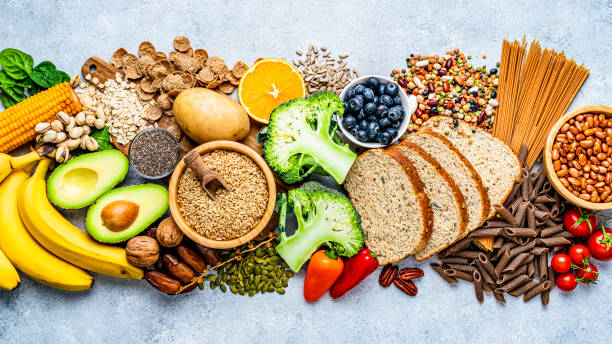
6. Nuts and Fruits — Consume in Moderation; Eat Fruit After Meals
- Nuts contain healthy fats and antioxidants, great for snacks.
- Choose seasonal fruits and eat small amounts slowly after meals to avoid blood sugar spikes.
7. Grains and Pasta — Choose Whole Grains and Pair Wisely
- Excessive white rice raises blood sugar and diabetes risk.
- Prioritize brown rice, oats, and other whole grains to increase fiber intake.
- Add rich ingredients when eating noodles to avoid excessive pure carbs.
- Check bread ingredients to avoid high sugar content.
4. Proper Eating Order and Lifestyle Habits to Support Sugar Control and Weight Loss
- Eat protein before carbohydrates to slow blood sugar rise.
- Chew slowly to avoid rapid blood sugar spikes.
- Avoid deep-frying and overly processed foods to prevent carcinogens and aging acceleration.
- Eat smaller, frequent meals and never skip breakfast to stabilize blood sugar and prevent obesity.
- Reduce mental stress since tension and stress increase blood sugar.
5. Scientific Insight on White Rice Consumption and Diabetes
Harvard studies show a significant link between white rice intake and type 2 diabetes risk, especially in Asian populations. White rice lacks magnesium and dietary fiber, which help regulate blood sugar. The increase of 100 million diabetes patients in China is partly due to excessive refined grains like white rice and white flour, coupled with insufficient whole grain consumption.
6. Sugar Control and Weight Loss Recommendations by Population Group
- Overweight individuals (BMI ≥ 25)
Reduce carbohydrate intake at dinner, especially refined carbs, to prevent fat accumulation. - Diabetics or high-risk individuals
Strictly control sugar and carb intake; regularly monitor blood glucose levels. - Healthy longevity seekers
Focus on diet quality, eat more whole grains and vegetables, maintain nutritional balance.
7. : Scientific Sugar Control and Weight Loss Are Keys to Health and Longevity
- Carefully read food labels to understand hidden salt and sugar content.
- Choose diverse high-quality proteins, healthy fats, and low-sugar carbohydrates.
- Pay attention to food combinations and cooking methods; avoid high-temperature frying and heavy seasoning.
- Cultivate good habits: chew slowly, exercise moderately, relieve stress.
- Regularly monitor health indicators and adjust diet plans timely.
Mastering these scientifically sound dietary methods will help you effectively control sugar, lose weight, stay healthy, delay aging, and prevent many chronic diseases. Health begins with scientific eating — may everyone enjoy delicious and nutritious living!