1. Starting at the Beginner Level: Gradually Changing Eating Habits Toward a Healthy Brain
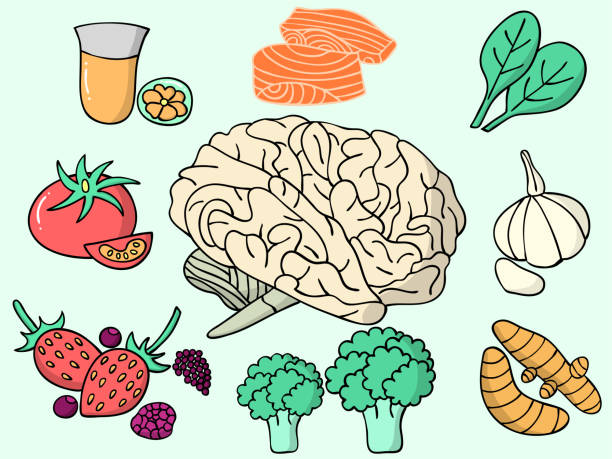
For many people, the beginner-level diet is often the least favorable for brain health. Such diets usually contain large amounts of pro-inflammatory substances like trans fats, excessive refined sugars, and various artificial additives and chemicals—all of which negatively affect brain function. Meanwhile, foods rich in essential brain nutrients—such as fresh vegetables, fruits, legumes, whole grains, and fish rich in healthy brain fatty acids—are often consumed in very small amounts or completely lacking.
But don’t worry: change never requires an all-at-once overhaul. Even gradually adding a few brain-friendly healthy foods is already a very positive start. You can begin by adding one extra serving of vegetables per day, reducing sugar in your drinks, or swapping a donut for berries. These small changes, accumulated over time, will have a profound impact on your brain health.
Goal One: Increase the Intake of Diverse Vegetables, Fruits, and Whole Grains
Nutrition research shows many cognitive impairments are closely related to insufficient vitamins, minerals, and dietary fiber in the diet. The first step to improve this is to increase the intake of various fresh vegetables and fruits, especially those rich in antioxidants and phytonutrients.
For example, one characteristic of centenarians’ diets is that their food mainly comes from unprocessed local farm produce. These ingredients have minimal pesticide residues and are rich in natural antioxidants, which greatly promote health and longevity. We ordinary people should learn from them by prioritizing local fresh leafy greens such as kale, Swiss chard, spinach, and cruciferous vegetables like broccoli, cauliflower, and cabbage. These have much higher nutritional value compared to supermarket iceberg lettuce.
If fresh vegetables are hard to get, frozen organic vegetables are also a good choice. Compared to conventionally produced industrial vegetables, organic frozen vegetables retain more nutrients and have no risks of GMOs or pesticides.
Ensuring at least one serving of leafy greens or cruciferous vegetables daily is a basic guarantee for brain health. Pairing with brightly colored vegetables helps you get a more comprehensive range of vitamins and minerals.
Choose Antioxidant-Rich Fruits to Boost Brain Protection
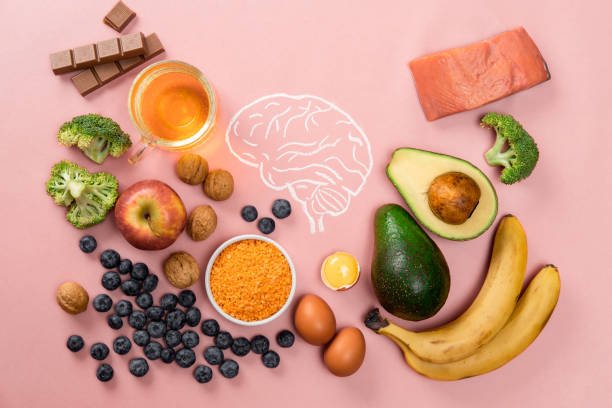
Regarding fruits, it is recommended to eat more fresh berries (blueberries, raspberries, blackberries, strawberries) and citrus fruits (oranges, lemons, grapefruits). These fruits are not only rich in vitamin C and other antioxidants but also have relatively low sugar content and glycemic index, which helps stabilize blood sugar and reduces the negative effects of sugar on the brain. They are also high in dietary fiber, promoting gut health.
Although bananas are nutritious and provide glucose for brain energy, their glycemic index is relatively high. Therefore, at the beginner stage, they are better as occasional choices rather than daily staples. Gradually adopting a diversified fruit diet yields the best results.
Nuts and Seeds: Nature’s Brain-Boosting Powerhouses
Nuts and seeds are excellent foods for brain health, rich in unsaturated fatty acids, protein, and various minerals. However, many nuts on the market are salt-roasted, sugar-coated, or flavored, which may have the opposite effect. Therefore, it is best to choose raw, unprocessed nuts and seeds to maximize their nutritional benefits.
Consuming an appropriate amount of walnuts, almonds, Brazil nuts, flaxseeds, and chia seeds daily can provide essential fatty acids and antioxidants that help improve memory and emotional stability.
Complex Carbohydrates — A Stable Source of Energy
Complex carbohydrates are the fuel for stable brain cell function. At the beginner level, sweet potatoes are highly recommended; they are rich in beta-carotene, vitamin C, vitamin B6, and dietary fiber, providing satiety and reducing cravings for sweets.
Whole grains such as oats, whole wheat bread, and brown rice are also excellent choices. They are slow-release carbohydrates that allow blood sugar to rise steadily, avoiding brain power drops caused by blood sugar fluctuations. Consuming whole grains twice a day, like a bowl of oatmeal for breakfast and brown rice for lunch, is highly recommended.
Additionally, legumes such as chickpeas and lentils are excellent sources of protein and fiber and should be consumed at least twice a week.
Fish: Healthy Fats for Brain Health
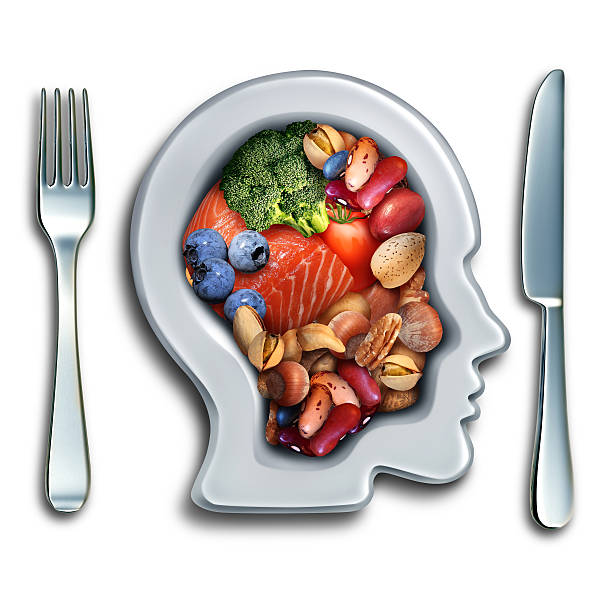
Fish, especially wild-caught, are rich in omega-3 fatty acids, which are crucial for protecting nerve cells, improving memory, and preventing cognitive decline. Even if you are not a fish lover, it is recommended to include fish in your diet, particularly those rich in EPA and DHA.
Canned tuna is a good entry-level choice, preferably wild-caught and packed in water, to which you can add a little extra virgin olive oil yourself. This option is convenient and healthy.
2. Avoid Harmful Foods: Reduce Trans Fats and Processed Foods
As you increase your intake of grains, legumes, and fish, your reliance on processed foods and sweets naturally decreases. Trans fats are found in many commercially sold donuts, cookies, cakes, muffins, and various pre-packaged desserts, which are extremely harmful to both body and brain health.
Additionally, ready-to-eat fast foods, frozen meals, and high-salt, high-fat convenience foods are also on the “blacklist” and should be avoided as much as possible. While it may be difficult to eliminate them completely during a busy lifestyle, gradually reducing their consumption frequency is the ideal goal.
Regarding meats, industrially farmed meat contains more antibiotics, hormones, and saturated fats. Grass-fed beef, free-range chicken and ducks, and wild fish should be prioritized.
If you enjoy meat and dairy, control the frequency and portion size. Limit red meat (beef) to once or twice a week, about 85 grams per serving; poultry like free-range chicken and turkey can be eaten more moderately, but maintain balance. Abstaining from meat and eggs for three days helps detoxify and adjust metabolism.
For dairy, yogurt and kefir are brain-friendly, especially plain, unsweetened, full-fat versions, which provide abundant probiotics and help maintain gut microbiota, indirectly supporting brain health.
3. Healthy Hydration: The Brain’s “Lubricant”
Water is indispensable for brain function. Drinking enough water daily, especially plain boiled water, can enhance cognitive ability and concentration. Studies show that staying well-hydrated can improve attention and reaction speed by up to 30%.
If plain water tastes boring, try lemon water—drinking a glass of water with half a lemon squeezed in the morning promotes metabolism and gastrointestinal motility, while supplementing vitamin C to keep you energized all day.
Additionally, reducing salt intake and limiting caffeine and alcohol consumption are key to preventing dehydration and maintaining brain function.
Replacing refined sugar with raw honey not only reduces sugar intake but also brings additional antioxidant benefits, making it a highly recommended natural sweetener.
4. Exercise and Physical Activity: The Brain’s Best Companion
Besides diet, exercise is an excellent way to boost brain power. For beginners, it is recommended to start with a 20-minute brisk walk daily, with a pace slightly faster than usual, gradually increasing to 30-40 minutes, ideally three times a week.
Research confirms that brisk walking not only improves physical health but also promotes brain cell growth, delays or even reverses brain shrinkage, and significantly improves memory and emotional stability.
Whether you are at a beginner or more advanced dietary level, gradually increasing your intake of vegetables, fruits, nuts, whole grains, and fish, while reducing processed foods and trans fats, combined with proper hydration and moderate exercise, will greatly enhance your brain power, memory, and emotional stability.
A brain-healthy diet is not complicated or difficult; it is the accumulation of small daily steps and the best investment you can make for your future self.