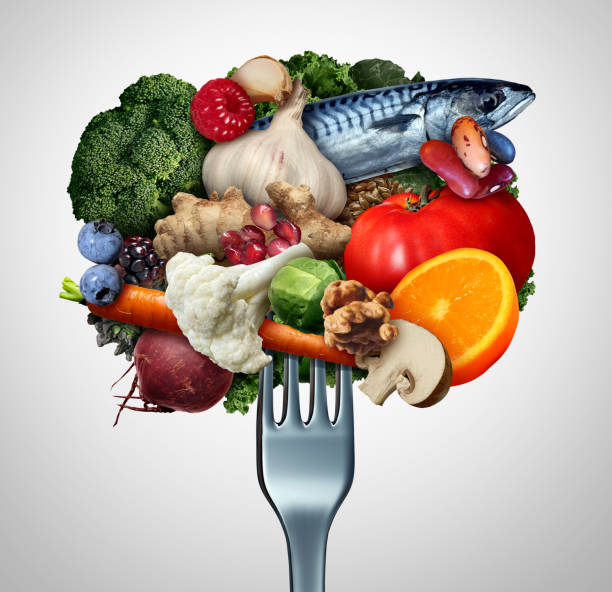
Cancer is one of the most feared diseases in modern society. Fortunately, increasing scientific research shows that we are not powerless victims of our genes. By changing six simple but crucial lifestyle habits, we can not only dramatically reduce the risk of cancer at its root but also greatly improve recovery and survival rates for cancer patients. These insights come from top professors and research teams dedicated to cancer studies and serve as invaluable guides for healthy living.

How Lifestyle Profoundly Influences Gene Expression
Professor Tiff Cole, a pioneer in social genomics at UCLA, and her team have conducted compelling studies revealing the deep impact of long-term social stress on health. They found that living in communities plagued by poverty, high unemployment, loneliness, social isolation, and high crime rates causes changes in gene expression, making people more susceptible to cancer and various chronic diseases.
The encouraging news is that these gene expression changes are not irreversible. Even if these stress effects accumulate over generations, improving one’s living environment and lifestyle can recalibrate our cells and gene expression. In other words, changing environment and lifestyle effectively “reverses” genetic health risks.
Professor Cole’s research highlights that:
- Even in old age, leaving high-stress environments can restore balanced gene expression, demonstrating remarkable health plasticity;
- Early-life interventions, even if brief, can significantly improve children’s health and promote gene expression favorable to cancer resistance;
- Epigenetic studies on how stress impacts genes help us find effective lifestyle changes to prevent cancer at its roots.
This offers a new genetic-level perspective on fighting cancer and provides hope and clear directions for action.
The “Six Principles” of Cancer Prevention: The Combined Power of Lifestyle
David Servan-Schreiber’s book Anticancer: A New Way of Life thoroughly discusses how lifestyle factors influence cancer prevention, focusing on diet, environmental toxins, exercise, and stress. Building on this, further research and experts (such as the Allison team) have added two more key factors: social support and sleep. Together, these six areas interact to form a scientifically robust cancer-fighting system.
1. Social Support — The Foundation of Cancer Resistance
Humans are inherently social creatures; a sense of belonging is vital for physical and mental health. Whether through close family and friend ties or community involvement, meaningful social connections significantly relieve stress, boost immune function, and reduce cancer progression risk. Studies show breast cancer patients with strong social support experience lower recurrence and mortality rates.
Social support reduces loneliness, promotes mental well-being, and strengthens disease resistance. Even introverts need to find social methods that suit them so that companionship becomes a powerful “healing agent.”
2. Stress Management — The Invisible Killer in Life
Moderate stress motivates us, but chronic stress creates fertile ground for cancer. Prolonged stress harms the immune system, disrupts sleep, leads to poor eating habits, and triggers a vicious cycle. Learning effective stress management techniques such as meditation, deep breathing, yoga, and time management helps break this cycle and restore body-mind balance.
3. Quality Sleep — The Body’s Natural Repair Factory
Sleep is not just rest but a crucial period for bodily repair and immune regulation. During deep sleep, the body clears harmful metabolic wastes, repairs cellular damage, and strengthens immune responses. Chronic lack of quality sleep significantly increases cancer risk. Ensuring sufficient sleep time and good sleep habits is an essential foundation for cancer prevention and recovery.
4. Moderate Exercise — Activating the Body’s Self-Healing Power
Exercise improves blood circulation and metabolism while boosting immune system vitality and activating anti-cancer cell functions. Even cancer patients benefit from appropriate physical activity. Exercise also releases “feel-good” hormones, reducing stress and anxiety and improving sleep quality. We must discard the outdated idea that “patients shouldn’t exercise” — scientific exercise is indispensable in the fight against cancer.
5. Healthy Diet — The Power of Returning to Nature
Modern society is flooded with overly processed foods, sugary drinks, and high-fat diets, leading to obesity and chronic diseases. Choosing natural foods rich in antioxidants and fiber — like fresh fruits and vegetables, whole grains, quality proteins, and healthy fats — helps regulate the immune system, reduce inflammation, and combat cancer cell growth.
Maintaining a healthy weight and avoiding obesity is key to reducing many cancer risks. Dietary change is not just about quantity control but qualitative improvement.
6. Eliminating Environmental Toxins — Protecting the Body from Invisible Harm
Our environment contains many invisible toxins — air pollution, heavy metals, pesticides, chemical additives, etc. These substances may cause cancer directly and disrupt metabolism and immune function through cumulative effects. Purifying living spaces, choosing organic foods, and minimizing exposure to harmful substances are crucial for long-term health management.
The Mutual Influence and Self-Reinforcing Effect of the Six Principles
These six cancer-fighting principles are interconnected, creating a positive feedback loop. Strong social ties reduce stress, encouraging consistent exercise and healthy eating; conversely, chronic stress harms sleep, causes poor diet, and social withdrawal, creating a vicious cycle.
For example:
- Excessive stress leads to unhealthy food choices, decreased exercise motivation, and poorer sleep quality;
- Adequate sleep helps alleviate stress, improve food preferences, and increase exercise drive;
- Active exercise reduces stress, promotes metabolism and sleep, and strengthens overall health.
Even if you occasionally slip up, such as overeating, you can compensate by enhancing exercise and stress management, avoiding a cycle of guilt and shame, and gradually returning to a healthy track.
Love and Support: The Secret Weapon for Enhancing Quality of Life
A 20-year breast cancer study showed patients with rich social support had a 43% lower recurrence rate and 64% lower mortality than those lacking support. This extends life and improves its quality.
Loneliness and social isolation are confirmed public health concerns, posing risks comparable to smoking and obesity. Maintaining close connections and experiencing love and support serve as natural shields against disease.
Moving Toward a Healthy Life: Know and Uphold Your Core Values
The deepest motivation for lifestyle change comes from recognizing your core values. Knowing what matters most to you guides healthy choices and helps maintain psychological balance and a positive mindset.
Try writing down your core value words like health, family, integrity, growth, contribution, etc. Let these words be your compass, helping you persist with the six cancer-fighting principles and become a stronger, happier self.
Whether or not you are currently battling cancer, these six lifestyle insights deserve your earnest practice. They represent the culmination of decades of scientific cancer research and are practical guides to healthy longevity. Change is not difficult; the key lies in action. Start adjusting your life today, embrace health, and your future self will thank you.
If you are interested in the “Six Principles of Cancer Prevention,” please join the live broadcast on March 20th at 8 PM, themed “Personal Remote Work Guide.” The live stream will be available on the video channels “Reading Methods” and the backup channel “Life Hacker.” Looking forward to exploring healthier lifestyles with you.