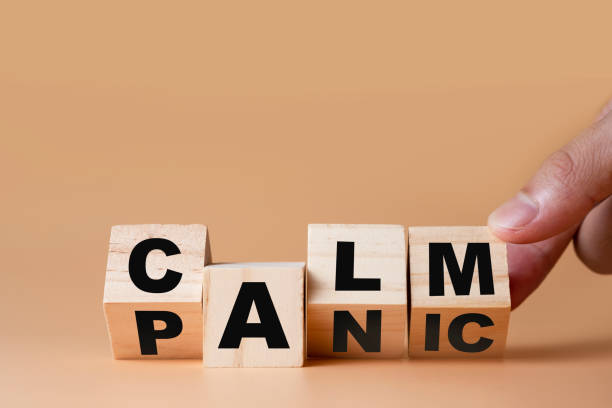
The hardest thing to manage in life is not external challenges, but your own inner emotions. Have you ever experienced this? A minor incident suddenly escalates because of an emotional outburst, and before you know it, the situation spins out of control. A person who cannot manage their emotions is destined to hit roadblocks both at work and in relationships. Emotions are like a life’s GPS; once they go haywire, your whole journey gets off track.
To move further and more steadily in life, we must cultivate a set of habits that stabilize our emotions. Here are six habits that might help you face life’s critical moments with fewer regrets and more wisdom.
Habit 1: Take Care of Your Body First, So Your Emotions Can Be Taken Care Of
The body is the vessel of emotions. Many emotional breakdowns are actually signs of physical exhaustion or imbalance. We often think emotions are purely “heart” problems, but more often it’s the “body” that goes out of sync first.
Alcohol, Fatigue, and Hormones — The Three Hidden Killers of Emotional Control
Think about why people get so easily angry or do things they normally wouldn’t when drunk. Alcohol weakens the brain’s cortex control over impulses, causing the rational “dam” to break and unleashing a flood of unchecked emotions.
Similarly, overfatigue makes emotions fragile. After long hours of work and lack of sleep, it’s common to spiral into dark thoughts late at night, feeling life is meaningless. But after a good night’s sleep, clarity often returns. This is not magic; it’s your brain restoring its energy and balance.
Women experience strong emotional fluctuations due to hormonal changes before and during their menstrual cycle. This is not “being overly sensitive” but a biological reality. Accepting these bodily rhythms instead of fighting them is the first step in managing emotions.
Emotional Management Begins with Understanding Your Body’s Condition
The smartest approach is to set up “emotion reminders” for yourself. If you know you are more vulnerable to emotional outbursts when tired or during certain periods, you can proactively adjust: skip some social events, inform those around you of your mood instability, and minimize decisions or conflicts.
Managing your body is the first lesson in managing your emotions.
Habit 2: Learn to Step Outside Your Own Perspective — Empathy Breaks the Deadlock
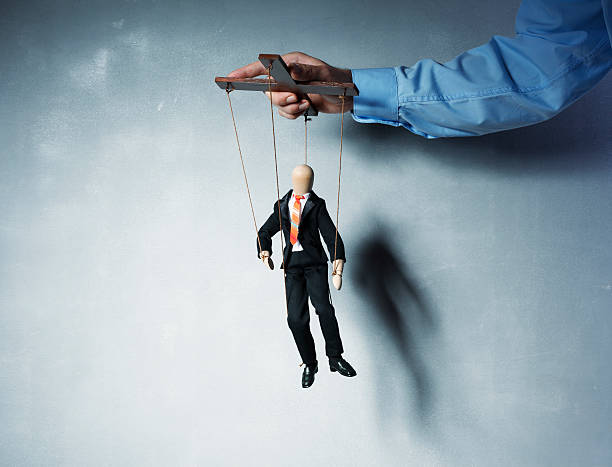
Many emotional outbursts don’t come from the event itself but from feeling personally hurt by others’ actions.
Case Study: The Anger When Someone Steps on Your Foot in the Subway
Imagine someone steps on your foot in a crowded subway and doesn’t even apologize. Wouldn’t you feel instantly furious? The anger isn’t just about the pain, but about feeling ignored and disrespected.
But if you try to see it from their side — maybe they didn’t notice, or they were rushing — this perspective shift can immediately soften your anger. This is not about excusing the other person but giving yourself a buffer zone to cool down emotionally.
Escape the Victim Mentality to Find True Freedom
“Why is it always me being bullied?” is a common unconscious thought for many who often lose control emotionally. Dwelling in a victim mindset only makes one more sensitive and fragile, turning emotions into helpless reactions to external triggers.
A simple practice: when emotions surge, ask yourself — “Is this really about me?” If not, why allow your state to be dictated by others?
Realizing others’ actions belong to their “domain” lets you reclaim control over your own.
Habit 3: Keep an Emotion Journal — Befriend Yourself

We often hear “know yourself,” but many don’t know how. An emotional diary is the gentlest and most effective way.
Writing a “Friend’s Note”: A New Method of Self-Comfort
When something makes you angry or hurt — say, eating a bad oyster at a fast-food place and getting sarcastic service — your reaction is natural. But unprocessed emotions build resentment and corrode joy.
At times like these, take out a notebook and write down your feelings exactly as they are. Then pretend you’re your best friend, comforting yourself: “That’s really unlucky, I’d be furious too. Don’t worry, next time we’ll have something delicious together.”
This “Friend’s Note” technique helps you:
- Identify emotions
- Accept emotions
- Self-soothe
- Boost self-affirmation
Most importantly, it encourages gentleness toward yourself instead of harsh self-judgment.
Habit 4: Center on “I” — Clearly Define Your Emotional Ownership
Advanced emotional management isn’t about suppression but distinction.
The key to handling emotions well lies in distinguishing between feeling “hurt” and adopting a “victim mentality.”
From “He Disrespects Me” to “I Am Hurt”
When someone insults you, you have two choices:
- Grit your teeth and lash out mentally, “He disrespects me; he thinks I’m worthless!”
- Pause and admit, “His words hurt me.”
These two paths lead to very different emotional outcomes. The first is a swamp of anger; the second is a clear personal feeling.
Try keeping an “I-statement notebook” and write things like: “I feel hurt because I want respect.” This habit of speaking from “I” helps you clearly own the situation as yours — not about how others see you.
You cannot change others’ words, but you can protect your boundaries.
Habit 5: Move from “Should” to “Hope” — Break Free from Emotional Hostage
Many live trapped in a world of “shoulds”: “He should respect me,” “She should be on time,” “The company should understand me.”
But have you realized that these “shoulds” silently hand over your control to external forces?
“Should” Is the Fuse of Emotional Explosions
“I give so much but no one understands me” — this is the classic victim anger born from “should” thinking.
The world doesn’t run on your “shoulds,” but on cause and effect. If you always expect others to behave “shouldly,” any deviation will trap you in emotional turmoil.
Life Runs on “Hope,” Not “Should”
We don’t litter or cut in line not because we “should,” but because we “hope” for a more orderly world.
When you shift from rigid expectations to heartfelt hopes, your relationships soften and life becomes freer.
Habit 6: Step Away in Time — Avoid “Emotional Pressure Zones”
When emotions are about to spiral out of control, the best response is not to argue but to “leave the scene immediately.”
Example: How a Fight Can Destroy a Relationship
A woman argued with her boyfriend until it escalated to a breakup. Later, she regretted: “If I hadn’t argued back, would it have ended differently?”
This is the classic “emotional outburst destroys choice” scenario.
So when you notice your speech quickening, heart racing, or harsh words coming, that’s your emotional alarm. Don’t argue or explain — just leave. Give your emotions space to cool, so reason can take charge again.
Even something simple — taking a shower, stepping onto the balcony for fresh air, sending a message saying “I need some time”— is far better than a head-on confrontation.
: Emotions Are Not Enemies, But Friends to Be Treated Kindly
No one is perfect; everyone experiences emotional ups and downs. Emotions themselves aren’t scary — what’s scary is never learning to live with them.
When you develop these habits —
- Care for your body;
- Practice empathy;
- Write down your feelings;
- Use “I” language;
- Let go of “should”;
- Know when to step away —
you acquire one of adulthood’s most precious skills: self-regulation.
It may not shield you from every storm in life, but it will help you survive those storms without being broken.