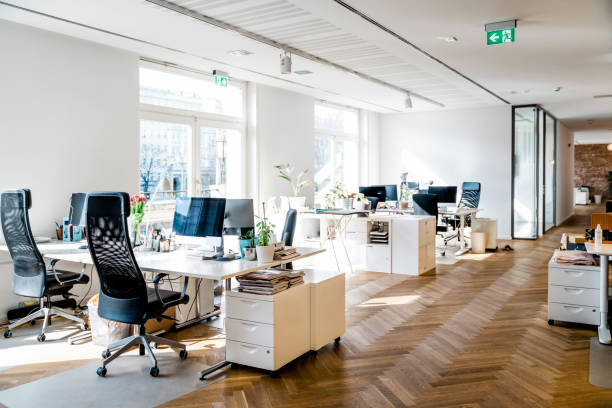
Returning to work after a holiday often brings an invisible pressure — piles of documents on your desk, scattered office supplies, and a messy environment quietly affect your mood and efficiency. So, what should be the very first thing you do when back at work after a break? The answer is simple: organize your office.
Why Organize Your Workspace?
Your workspace is not just where you work — it profoundly influences your mindset and productivity. A tidy and orderly office environment boosts your mood and concentration, helping you accomplish tasks more efficiently. On the contrary, a cluttered space can cause mental fatigue, anxiety, and procrastination, all of which negatively impact your overall work performance.
Organizing your workspace is more than just cleaning up — it’s a proactive way to take control of your work state and demonstrate responsibility toward yourself. Only by creating an orderly environment can you clear your mind, clarify your goals, and be ready to tackle new work challenges.
Concrete Steps to Organize Your Physical Workspace
1. Focus on Your Own Area
Whether you work in an open-plan office, a personal cubicle, or a private office, the first step is to focus on your own space. Avoid getting distracted by communal areas like shared storage rooms, lounges, or conference rooms — those can wait. Concentrate on your desk and immediate surroundings.
If you work from home, it’s best to separate work-related items from personal belongings. For example, some books and files are work-related, while others are personal. In the initial post-holiday phase, focus on tidying up work-related materials first; personal items can be addressed later.
If your workspace is large — say, a garage-sized workshop or studio — or if you manage many tools, samples, or products, organizing will take more time. Allow yourself enough time and prepare for phased cleaning.
2. Sort Items by Category
A key to effective organization is sorting items by category. For example, start with books, then move to files, office supplies, souvenirs, and so on. This sequence helps you build decision-making skills — what to keep, what to discard, and where things belong.
You don’t need to organize clothes in your office space, but categorizing books, documents, miscellaneous items, and keepsakes will bring order.
In practice, take all items in one category out at once and pile them up. For instance, if you’re organizing pens, take every pen from drawers and holders and lay them on the desk. This helps you clearly see the quantity and easily compare and choose.
3. Keep Only “Three Types” of Items

There is an important rule in tidying: keep only what matters to you — items that have meaning, usefulness, or will bring happiness in the future. Specifically, these are the three types worth keeping:
- Items that spark joy: Things you love or cherish, like a beautifully designed pen, a unique notebook, or a photo of a loved one that lifts your mood.
- Functional tools: Essentials you use daily, such as staples, tape, computer accessories. They might not excite you but help you get work done smoothly.
- Items with future value or convenience: Reimbursement receipts, contracts, project documents — representing your professional responsibilities and accumulation. They may not be fun but are important for your career.
This “three types” principle is an excellent guideline to evaluate what to keep.
File Organization: Never Let Files Get Messy Again
Many office workers dread file organization. Documents pile up and disrupt order. Follow these three principles to say goodbye to messy files forever.
Principle 1: Detailed Categorization
Create clear file categories, such as by project, date, client name, or document type (reports, invoices, proposals). Customize categories to your work.
Most importantly, don’t keep files without purpose. Ask yourself for each document: “Do I really need to keep this?” Categories should be detailed enough for easy retrieval.
Principle 2: Vertical Storage
Avoid stacking files flat on your desk; piles hide documents and waste time searching. Use vertical folders and file holders, arrange files by category upright. This saves space and keeps files visible.
Principle 3: “To-Do File Tray”
Designate a tray just for files that need action today. Once done, archive or dispose of them promptly. This keeps your pending tasks clear and your desk tidy.
Stick to these principles, and you’ll never face overwhelming piles of documents again.
Sorting and Storing Miscellaneous Items
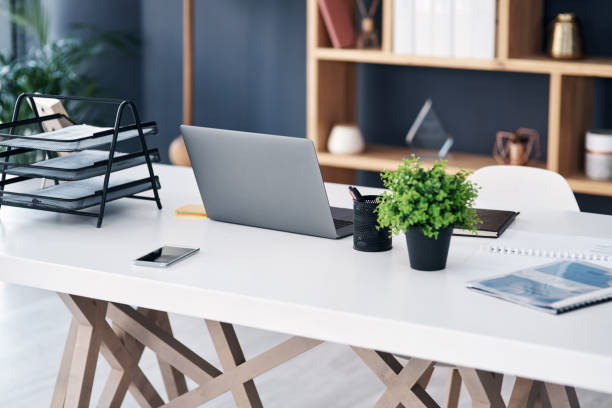
Miscellaneous items are another major cause of clutter. Breaking them into smaller categories helps you manage them better. Common subcategories include:
- Office supplies (pens, scissors, stapler, tape)
- Electronics and accessories (chargers, headphones, mouse)
- Professional materials (samples, art supplies, consumables)
- Personal care items (medicines, hand cream)
- Food and drinks (tea, snacks)
Gather same-category items from drawers or cabinets, check each one, keep useful and favorite items, and discard the rest.
Three Basic Storage Principles:
- Assign fixed places and organize by category. Every item should have its own spot; this encourages the habit of returning things to their place.
- Use boxes and vertical storage cleverly. Different sized containers segment space and save desktop and drawer capacity.
- Keep your desktop clean. Your desk is a workspace, not a storage area. Keep only what’s in current use, like your computer and one or two decorations.
Paying Attention to Details in Your Office Environment
Organizing is not a one-time job but a continuous care process. Don’t overlook details like scrap paper, unwashed cups, or dusty whiteboards. These small things reflect your attitude toward your environment.
You don’t have to be a “cleaning nanny,” but ask yourself: what simple small actions can I take to make my workspace more comfortable and tidy? Spending a few minutes daily can make a huge difference.
Add Some “Fun” to Your Workspace
Organizing is more than tidying — it’s about creating a “second home” that makes you happy and focused. Try these tips:
- Choose a main color theme for visual harmony.
- Decorate your desk with favorite movies, stories, or themes.
- Place plants to add vitality and oxygen.
- Display photos or souvenirs that inspire you.
- Add fun small objects like crystals, scented candles, or favorite coasters.
- Change your screen wallpaper with seasons to set the mood.
Make your workspace personal and warm, so it brings you joy every day.
Plan Your Work Scientifically to Boost Efficiency
While organizing your desk, don’t forget to organize your tasks. Use these three steps to clarify your workflow:
- Grasp the overall schedule. Use a planner or calendar to track yearly plans and key dates to keep everything in mind.
- Set priorities. Allocate time and energy based on project significance and future value, focusing on what matters most.
- Break down tasks. Divide large projects into smaller, actionable tasks to progress steadily and avoid procrastination.
This approach not only makes your work more orderly but reduces stress and enhances accomplishment.
Organizing your office is far more than cleaning — it’s about systematically creating and maintaining a highly efficient and pleasant work environment. When you return after a holiday, remember: start by organizing to inject positive energy into your new year of work!