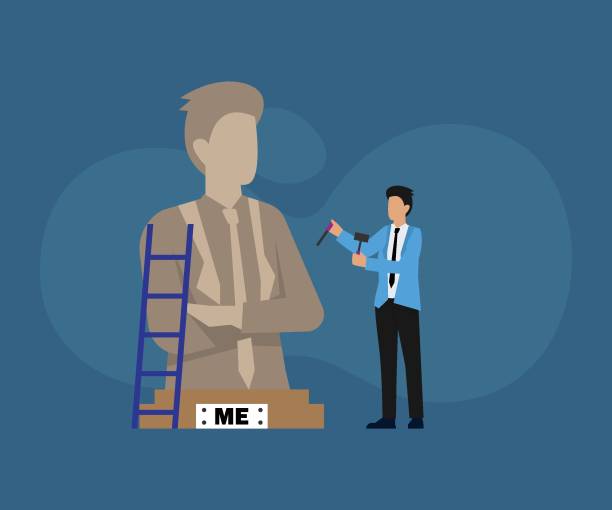
We often think we’re rational beings in full control of our lives. But reality has a way of revealing the opposite—especially in moments of stress. One argument, one harsh comment, or a sudden request can send us spiraling into default behavior: people-pleasing, avoidance, or explosive reactions. Have you ever looked back and thought, “I could’ve responded differently…”?
That feeling of being “out of control” is often the root of why we feel stuck and unable to move forward in life.
1. You’re Not a Unified Self—You’re a Team of Inner Characters
Psychological research shows that our inner world is composed of multiple “sub-personalities.” The four most common roles include:
- Inner Child: Emotional, vulnerable, seeking love and acceptance.
- Inner Critic: The internalized voice of judgment—harsh and diminishing.
- Coping Modes: Automatic behaviors developed to avoid pain.
- Adult Self: Rational, calm, responsible—capable of mature, balanced decisions.
Under stress, criticism, or conflict, most people unconsciously let the inner child, critic, or coping modes take the lead. But real transformation happens only when your Adult Self is in charge.
To redirect your life, the first step is to consciously activate and empower the Adult Self.
2. Why Do You Always Fall Off the Wagon? You Might Be Starting the Wrong Way
When people try to change, they often list vague and idealistic goals like:
- “I want to be more confident.”
- “I need to stop being a pushover.”
- “I want to learn to care for myself.”
These sound good—but they’re not actionable. It’s like marking a destination on the map without plotting the route.
Also, the brain loves familiar patterns, even if they’re harmful. This is a psychological “energy-saving” mechanism. Drastic change activates your internal alarm system: “Too much! Abort mission!” That’s why people often end up doing nothing after aiming for “all or nothing.”
Real change must be specific, step-by-step, and doable.

3. Step One: Break Your Goal Down—No More Slogans
Suppose your goal is “I want to take better care of myself.” Use the following questions to dissect it:
- What specific behaviors reflect “self-care”?
- Eating regular meals?
- Avoiding late-night work?
- Setting time for solitude?
- Do you know anyone who already does this well? What do they do?
- A friend gets a massage every week and always seems happy.
- A colleague never brings work home and sets clear boundaries.
- In which situations do you most often abandon yourself?
- When coworkers ask you to work overtime?
- When family makes unreasonable demands?
- What would change in your life if you did take care of yourself? Would others notice?
This kind of layered self-inquiry helps you shift from vague intentions to precise action. Real change doesn’t mean reinventing yourself from scratch—it means making new choices at key moments.
4. Rehearse Change First—in Your Mind’s “Movie Theater”
You don’t have to throw yourself into real-life battles right away. Start with “mental behavior rehearsal”:
Try this:
- Find a calm space. Close your eyes. Take a few deep breaths.
- Picture a situation where you usually feel passive (e.g., being ignored at work).
- Mentally play a “new version” of the scene:
- You clearly express your needs.
- Your voice is steady; your body language confident.
- You hold your boundary without guilt.
This mental rehearsal reduces anxiety and increases the likelihood that your Adult Self will show up when it really matters.
Case Study: Nora’s Shift
Nora often felt left out at work events. She mentally practiced approaching coworkers and initiating conversation. A few days later, she spoke up and was warmly received. That small success cracked her long-held belief that “I don’t fit in.”
5. Make the Adult Self a Regular in Your Daily Life
Your Adult Self shouldn’t be a “guest star” who only appears during crises. It should become a regular presence. To do that, create a daily “Adult Self Activation Checklist.”
☑ Activities that activate your Adult Self:
- Learning something new.
- Having honest, deep conversations with trusted people.
- Following through on commitments.
- Exercising to restore body awareness.
- Fixing broken things (to regain control).
- Writing down 3 things you did well today.
- Reading thoughtful books or journalism.
- Practicing mindfulness or breathing exercises.
- Cooking something new just for yourself.
- Celebrating small wins with a reward.
- Writing encouraging notes to yourself.
Now, create your own version of this checklist, and place it somewhere visible—on your fridge, desk, or phone’s home screen.
6. Real Change Begins with a Small Experiment
Transformation begins with micro-experiments:
- The first time you say “No.”
- The first time you speak your truth.
- The first time you ask for what you need.
- The first time you resist emotional hijacking.
Start like Nora—with easy wins. Choose low-risk situations where you’re almost guaranteed to succeed. Why? Because these small victories create momentum and break your long-standing “learned helplessness.”
7. Tools to Support Your Behavioral Experiments
Make your new behaviors easier to carry out by setting up helpful cues and tools:
- Reminders: A card in your wallet that says “You have choices.”
- Symbols: A bracelet or ring to remind you to stay mindful.
- Mental Anchors: Recall a moment you handled things well when facing a challenge.
- Support People: Ask a trusted friend to witness and encourage your changes.
- Reward System: Give yourself a small treat every time you take a new action.
8. Embrace Imperfection—Fluctuation Is Normal
Activating the Adult Self doesn’t mean you’ll never feel emotions, fear, or setbacks again. You’ll still have low days. But over time, you’ll become better at recognizing your state and gently guiding yourself back.
Think of it like learning a new language. It feels clumsy at first, but with practice, you become fluent. The language of self-leadership is the language of your Adult Self.
9. Build a Reflection Habit to Reinforce Growth
Regularly ask yourself:
- In which situations do I want to activate my Adult Self?
- What do I want to do differently?
- Which inner parts usually trip me up?
- What reminders can help me stay grounded?
- Who can I count on for support?
- How will I reward myself for effort and growth?
Write your answers down and place them somewhere you can revisit often. Change doesn’t come from a sudden push—it’s built on patient recalibration.
Final Thoughts: Your Life Can Be Rewritten
You can’t change every situation, but you can change how you respond. You may not always control what happens, but you can practice managing your reactions. Every time you choose a new response, you reshape who you are.
May you break free from the chains of reflexive behavior and finally become the true captain of your life.