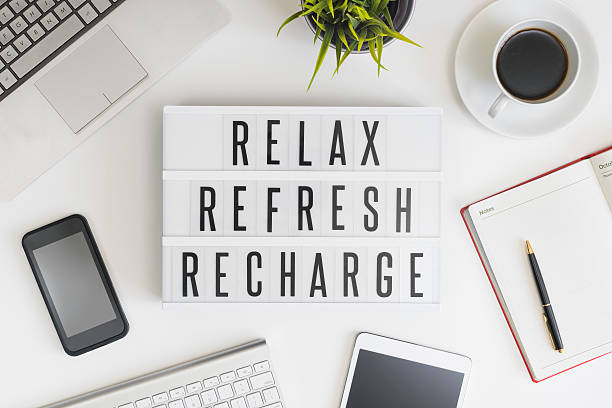
In today’s high-pressure, fast-paced society, everyone is rushing forward, afraid of being left behind in the wave of relentless competition. But have you noticed? When your body and brain are constantly operating at full capacity, not only does your productivity not increase—it often leads to anxiety, insomnia, memory problems, and even burnout syndrome.
True efficiency has never meant endless busyness. It means knowing when to stop, to recharge, reboot, and restore your energy. Efficient rest is not a waste of time—it’s a refined form of self-management.
In this guide, we’ll explore seven science-backed strategies to help you rest smarter and relax deeper. By adopting these habits, you’ll repair your brain, stabilize your emotions, and boost your productivity—even in the midst of chaos.
1. Regular Outdoor Activities: Reconnect with Nature
Many people unwind by binge-watching shows or endlessly scrolling on their phones. But studies show that nature is the ultimate healer.
Stepping outside regularly—especially in the morning or at dusk—breathing in fresh air, and letting sunlight touch your skin has immediate positive effects on your mind and body. Even 10 minutes of balcony sunshine can elevate serotonin levels, lift your mood, and improve your sleep.
Benefits of spending time outdoors include:
- Increased vitamin D synthesis for stronger immunity
- Enhanced melatonin production, improving sleep cycles
- Reduced anxiety and depression risk
- Improved creativity and concentration
Aim for at least 30 minutes of natural sunlight daily. Add a few potted plants to your home or create a “mini urban jungle” on your balcony to invite nature in.

2. Optimize Sleep Quality: Your Body’s Reset Button
Want sharper focus, better moods, and even improved appearance? The answer might be as simple as: sleep better.
Chronic sleep deprivation is a silent destroyer of mental and physical health. Many people trade sleep for productivity, but this is counterproductive. Scientific research shows that deep sleep activates your brain’s “clean-up crew,” flushing out metabolic waste and keeping your brain sharp.
Practical sleep optimization tips:
- Maintain a consistent sleep schedule—even on weekends
- Avoid screens at least one hour before bedtime
- Skip alcohol, caffeine, or heavy meals in the evening
- Keep your bedroom cool, dark, and quiet
- Use blue-light blocking glasses or night mode if screens are unavoidable
Quality sleep doesn’t happen by accident—it’s the result of disciplined routines and respect for your body’s natural rhythms.
3. Avoid Blue Light at Night: Protect Your Melatonin
Modern life is full of screens—especially at night. But smartphones, tablets, and laptops emit blue light, which suppresses melatonin production and disrupts your sleep cycle.
While blue light helps us feel alert in the morning, too much exposure at night tricks the brain into thinking it’s still daytime, disrupting our circadian rhythm.
Solutions include:
- Use “night shift” or blue-light filter apps in the evening
- Wear blue-light blocking glasses after sunset
- Power down devices at least an hour before bed
- Replace cool white bulbs with warmer yellow lighting
True rest means syncing with your body’s natural clock—not just closing your eyes.

4. Manage Stress Before It Hijacks You
In the age of hustle culture, stress has become the norm. But it’s crucial to distinguish between manageable stress and chronic overload.
Prolonged stress over-activates the brain’s amygdala, impairing decision-making, increasing emotional volatility, and weakening your immune system.
Don’t avoid stress—learn to process and release it. Here’s how:
- Mindfulness meditation: Just 10 minutes of deep breathing daily can ground you
- Exercise: Light aerobic workouts like walking or yoga reduce cortisol levels naturally
- Social interaction: Talking with a friend relieves pressure and builds connection
- Journaling: Writing about your feelings and triggers helps you understand them
You don’t have to eliminate stress completely—but you can choose not to let it control you.
5. Upgrade Your Diet: Feed Your Brain Clean Fuel
The brain consumes more energy than any other organ, and your diet is its primary fuel source. Poor eating habits can directly lead to mood swings, poor focus, and restless nights.
Five key principles for brain-friendly eating:
- Quality protein: Eggs, legumes, and fish support neurotransmitter production
- Healthy fats: Omega-3s from fish or nuts fight inflammation and improve cognition
- Low sugar & low processed foods: Excess sugar disrupts brain signaling and mood
- High fiber: Fruits, veggies, and whole grains nurture gut health (and the gut-brain connection)
- Regular mealtimes: Avoid binge-eating or late-night snacking
The goal isn’t restriction—it’s nourishment. Simplicity, variety, and natural foods are your best bet.
6. Strengthen Social Bonds: Emotional Support is Brain Fuel
Humans are social creatures. Chronic loneliness is not just emotionally painful—it’s neurotoxic.
Psychological studies show that people with strong social ties live longer, are happier, and are more resilient under pressure.
How to improve your social well-being:
- Stay in touch with close friends—even brief chats matter
- Join local groups or hobby clubs to build shared experiences
- Express your needs and listen without judgment
- Be present for others, not just as a speaker, but as a listener
Social connection is emotional nutrition. Strengthening it is also healing yourself.
7. Activate Your Brain with “Cognitive Rest”
Truly efficient people don’t just stop working—they engage in cognitive relaxation to keep their brains agile and inspired.
Try these brain-stimulating activities:
- Learn a new skill (e.g., a language or instrument)
- Read books unrelated to your job
- Play strategy games, solve puzzles, or do Sudoku
- Write, draw, visit museums, or attend lectures
The purpose isn’t productivity—it’s long-term brain health. Just like muscles need exercise, so does your brain.
: Real Efficiency Comes from Deep Restoration
We can’t eliminate busyness from modern life—but we can learn to live smarter. Focus when it’s time to work, and fully rest when it’s time to pause. Use science-backed strategies to repair your brain and reclaim control over your life.
High-quality rest is not laziness—it’s a performance enhancer.
Let go of anxiety. Breathe deeply. Align your mind and body. You’ll realize your true strength isn’t in how long you can stay “online”—but in how well you know when to unplug, and when to give it your all.