
Begin Your Transformation Toward a Healthier, Longer Life
When it comes to slowing aging and extending lifespan, people often focus on expensive supplements or cutting-edge medical technology. But according to the Chair of the FDA Advisory Committee and several internationally renowned health experts, what truly affects our longevity and quality of life lies in the small choices we make every day. In other words, your lifestyle is the most decisive factor in how long and how well you live.
The following is a set of health management recommendations grounded in extensive clinical research and epidemiological data. These suggestions not only improve your physical condition but also enhance brain function and elevate your overall sense of well-being.
I. The Five Lifestyle Habits That Most Deeply Impact Lifespan
If you want to live longer and better, focus on these five key behaviors:
- Avoid Smoking: Quitting smoking is one of the most direct ways to improve health. No matter when you stop, your body gains an opportunity to repair and renew itself.
- Engage in Regular Physical Activity: Aim for at least 150 minutes of moderate aerobic exercise weekly, plus two sessions of strength training. This benefits cardiovascular health and is critical for slowing cognitive decline.
- Eat a Balanced Diet: Focus on foods rich in plant-based nutrients, healthy fats, and fiber. Reduce intake of red meat, added sugars, and trans fats to help slow cellular aging.
- Manage Stress Effectively: Chronic stress weakens the immune system, disrupts hormone balance, and damages brain structure. Building emotional regulation skills is crucial.
- Maintain a Healthy Weight and Waistline: Obesity—especially abdominal fat—is a major risk factor for cardiovascular disease, type 2 diabetes, and Alzheimer’s.
II. Six Key Health Metrics + Two Additional Health Requirements
You can’t accurately judge health based only on how you feel or how much you weigh. Instead, refer to this medically rigorous “6+2” framework, now widely recognized as a gold standard:
Six Core Physiological Indicators:
- Blood Pressure: Systolic under 125 mmHg; diastolic under 85 mmHg.
- BMI or Waist-to-Height Ratio: BMI should be under 27; a more precise metric is a waist-to-height ratio between 0.4 and 0.55.
- Fasting Blood Glucose: Should be under 106 mg/dL to prevent prediabetes and diabetes.
- LDL (Bad Cholesterol): Should be under 70 mg/dL to prevent atherosclerosis.
- No Cotinine Metabolites: Indicates a non-smoking status.
- Completion of a Stress Management Program: Can include meditation, deep breathing, or counseling.
Two Additional Health Practices:
- Regular Checkups with a Primary Care Physician.
- Up-to-Date Vaccinations: Including flu, pneumonia, shingles, and COVID-19.
These metrics are not only indicators of physical well-being but also help significantly reduce the risk of chronic illness and premature death.
III. Reshape Your Brain and Heart: Scientific Intervention Strategies
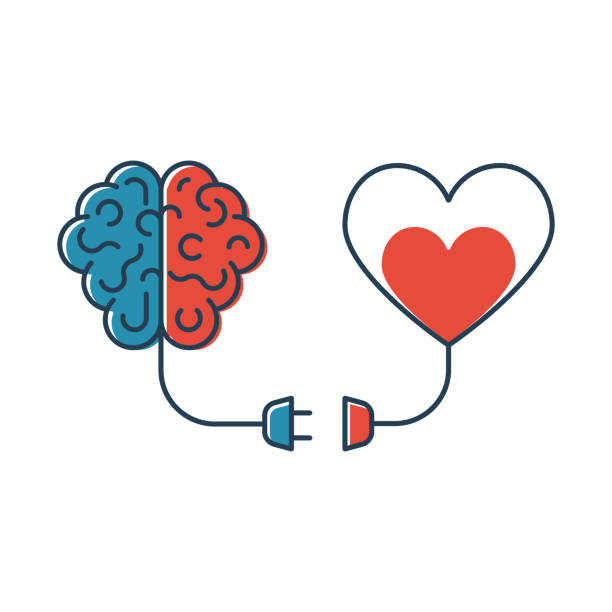
1. Stress Management: The First Step Toward Brain Remodeling
Chronic stress affects more than just mood—it alters brain structure. MRI studies show that stress can shrink the hippocampus, a key area for memory and learning, and a warning sign for cognitive decline. Stress reduction techniques (like mindfulness meditation, progressive muscle relaxation, and deep breathing) have been shown to reverse this trend.
Underlying Mechanism: Stress increases the release of cortisol and adrenaline, triggering neuroinflammation and impairing decision-making, memory, and emotional regulation. Regular relaxation helps the brain return to a parasympathetic, restorative state, which enhances resilience and supports gene-level health.
2. Exercise: A Double Benefit for Body and Brain
Exercise is the most well-studied and effective “anti-aging drug” known to science. Benefits include:
- Stimulating Hippocampal Growth: Improves memory and focus.
- Activating the “Muscle-Brain Axis”: During exercise, muscles release proteins like cathepsin B, which cross the blood-brain barrier and promote the production of brain-derived neurotrophic factor (BDNF). This enhances neuroplasticity and slows neural degeneration.
Recommended Regimen:
- Combine aerobic and resistance training;
- 3–5 sessions per week, 30–60 minutes each;
- Activities like brisk walking, cycling, swimming, squats, and dumbbell exercises.
IV. Eat for Longevity: Anti-Inflammatory, Brain-Boosting, and Heart-Protective Nutrition
1. Eat More Fish Weekly: Feed Your Brain with Healthy Fats
Salmon, sardines, and trout are rich in DHA and omega-3 fatty acids—the brain’s premium fuel. DHA helps repair cell membranes, reduce brain inflammation, and enhance cognitive performance. Studies show that consuming over 900mg of DHA daily significantly lowers the risk of dementia and Alzheimer’s.
Alternatives: Algae-based DHA supplements, walnuts, flaxseeds, chia seeds.
2. Mediterranean + Pescetarian Diet: The Ultimate Anti-Aging Combo
Research shows the Mediterranean diet can reduce cardiovascular mortality by about 30% and significantly lower neurodegenerative disease risk. It emphasizes vegetables, fruits, olive oil, nuts, fish, and legumes, while minimizing red meat and sugar.
Benefits:
- High antioxidant content;
- Anti-inflammatory effects;
- Stable blood sugar;
- Support for gut microbiome balance.

3. Avoid These 5 “Aging Accelerators”:
- Added Sugars & High-Fructose Corn Syrup: Cause blood sugar spikes, promote inflammation, and increase fat storage.
- Saturated Fats: Disrupt gut microbiota and cause systemic inflammation (main sources include red meat, cheese, egg yolks).
- Refined Carbs (white bread, white rice, pasta): Spike blood sugar and contribute to energy crashes and inflammation.
- Trans Fats (hydrogenated oils): Drastically increase LDL cholesterol; banned in many countries.
- Excess Alcohol: While moderate red wine may benefit heart health, alcohol disrupts brain neurotransmitters and increases dementia risk.
V. Activate Neural Pathways: Keep Your Brain Young
The brain is like a muscle—the more you use it, the stronger it becomes. Activities that train reaction time and mental agility include:
- Playing games that require quick thinking;
- Chess, puzzles, and logic games;
- Learning a new language or musical instrument;
- Brushing your teeth or eating with your non-dominant hand (trains both brain hemispheres).
Studies reveal that just 18 hours of intense brain training can significantly boost reaction speed and cognition in older adults. Building cognitive reserve is one of the most powerful tools against dementia.
: Aging Is Not Destiny—It’s a Choice
While we can’t avoid aging entirely, we can delay its onset and even reverse some signs of physical decline. Every healthy choice you make today—whether it’s a workout, a three-minute breathing session, or skipping that piece of cake—is an investment in the quality of your future life.
Let science be your shield against aging, and let your lifestyle be your most trusted physician.