
Everyone accumulates regrets over the course of their life. Maybe you missed an important interview, failed to confess your feelings to someone you loved, or left unresolved rifts in your family relationships. Regret follows us like a shadow—not a mere byproduct of life, but a deeply rooted part of our human experience.
For a long time, we’ve been taught to handle regret by simply “moving on” or “letting go.” But in truth, regret can’t be ignored or erased—it needs to be seen, understood, and integrated into our personality and future decisions.
Regret: A Signal of Inner Wisdom
Harvard psychologist Daniel Gilbert describes regret as a “cognitive emotion.” It doesn’t exist to punish us, but to teach us what truly matters. Unlike fear or pain, regret is born from mental comparison—“What if I had made a different choice back then? Would life be better now?”
That’s why regrets are often tied to our most cherished values. A mother might regret missing moments of her child’s growth because “family” is her top priority. An artist might feel deep remorse for not pursuing their craft, because “creativity” is the core of who they are.
These regrets aren’t just pointless self-blame. They highlight the conflict between our inner values and the decisions we’ve made. In this light, regret becomes not a sign of failure, but a messenger of our unmet aspirations.
The Four Core Types of Regret (and What They Reveal)
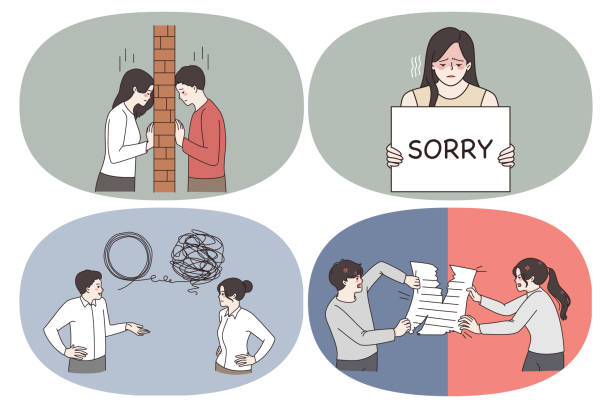
Author Daniel Pink, after studying over 15,000 real-life regret stories, identified four main types of regret. Each one reflects a deep psychological need:
- Foundation Regrets
For example: “I should have saved money,” or “I wish I had taken care of my health earlier.” These regrets stem from poor preparation for the future and reflect a need for security and stability. - Boldness Regrets
For example: “I should’ve studied abroad,” or “I wish I had started that business.” These regrets come from missed opportunities and reflect a desire for growth and self-actualization. - Moral Regrets
For example: “I regret lying to my friend,” or “I wish I hadn’t been so selfish.” These point to our commitment to integrity and ethical living. - Connection Regrets
For example: “I should’ve reconciled with my parents,” or “I wish I had stayed in touch with that friend.” These show our deep need for emotional intimacy and meaningful relationships.
Understanding the nature of a regret helps us uncover what we truly value—and points us toward realignment with those values.
How to Transform Regret: From Pain to Growth
True transformation doesn’t come from suppressing regret, but through three intentional steps:
- Express It Instead of Avoiding It
Write it down, talk to someone you trust. Regret loses its sting when it becomes a story you’ve shared, not a secret you hide. - Shift from “What if” to “What now?”
Instead of endlessly replaying what could have been, ask: “What does this regret reveal about my core values? How can I start honoring that value today?” - Use Mental Simulation to Clarify, Not Blame
Imagine what might have happened if you made the other choice. Then ask: “Would I still want that outcome today?” This mental exercise helps guide future decisions without getting trapped in the past.

Managing Future Regret: Prevention Is Better Than Cure
Beyond healing current regrets, we can take steps to minimize regrets in the future:
- Make Value-Aligned Decisions: When faced with a dilemma, ask yourself: “Is this choice aligned with what I truly care about?”
- Act with Courage and Compassion: Most regrets come not from action, but inaction. Give yourself permission to try, even if it may not work out.
- Regularly Reflect on Your Life’s Direction: Write yourself a letter once a year. Revisit your past goals and current reality. Regret may still be there—but it will now feel like a lesson rather than a loss.
Final Thoughts: Let Regret Light the Way Forward
Regret doesn’t have to be your enemy. It can be your teacher. When you learn to listen to what it’s trying to say, it stops pulling you back—and starts pushing you toward a more honest, courageous, and clear version of yourself.