
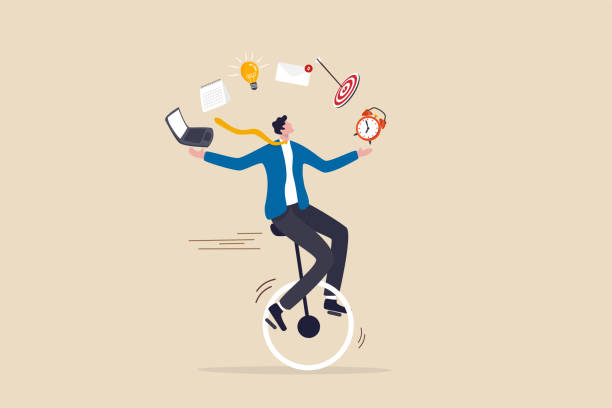
In today’s modern workplace, burnout has become an ever-present shadow for many white-collar workers. Heavy workloads, frequent distractions, and immense mental stress lead to low productivity and physical and psychological exhaustion. So, is there an efficient yet healthy way to boost personal output without feeling completely drained? Google, as a globally renowned innovative company, offers us valuable insights through its employees’ energetic and highly effective work styles. This article will delve into how Google employees scientifically manage their focus, emotions, and energy to maintain sustained high efficiency, helping you break through workplace burnout and become a high achiever in your career.
1. Focus Management: Achieving Flow State for Explosive Productivity
The core secret to improving work output lies undeniably in “focus.” Psychologist Mihaly Csikszentmihalyi’s concept of the “flow state” describes a psychological condition of full immersion in work where time seems to vanish, and efficiency and creativity soar.
What happens when you enter flow?
- Creativity and problem-solving abilities increase up to 4 times.
- Learning new skills speeds up by more than double.
- The brain releases motivating neurotransmitters such as norepinephrine, dopamine, endorphins, cannabinoids, and oxytocin, keeping you energized and happy.
- Pain and fatigue decrease significantly, making work feel effortless and fulfilling.
In other words, flow not only multiplies your productivity but also makes you feel energized rather than tired.
However, entering flow is not instantaneous. Studies show that if flow is interrupted, it takes at least 15 minutes to regain. This means frequent interruptions drastically reduce work efficiency and prevent many from experiencing the joy of high productivity.
Google’s research suggests that knowledge workers ideally need 30% to 50% of their day in uninterrupted focus on tasks. Yet, such continuous focus time is rare, so proactively creating a conducive environment and habits is essential.
2. Seven Key Conditions for Entering Flow

Psychology and corporate practice summarize seven indispensable conditions for truly entering flow:
Psychological Conditions
- Clear Goals: Know exactly what you’re doing and why. Clear goals give direction and eliminate distractions.
- Immediate Feedback: Constant progress feedback allows course correction and keeps you on track.
- Balance of Challenge and Skill: Tasks should slightly exceed your current abilities—not too boring, not too frustrating—to ignite full engagement.
Environmental Conditions
- Set High-Reward, High-Risk Goals: Challenging and valuable goals boost motivation to engage deeply.
- Create Novel, Unpredictable, Complex Environments: Dynamic surroundings stimulate brain exploration, maintaining alertness and interest.
- Build Sensory-Rich, Flexible Workspaces: Google fosters open, flexible offices where employees can move freely and engage multiple senses to improve focus.
Creative Conditions
- Identify and Break Fixed Patterns: Constantly challenge yourself, discover new patterns, and avoid mechanical repetition to stay mentally active.
3. Four Practical Tips to Quickly Enter an Efficient Work State
- Create Your Own “Secret Corner”
Whether at the office or outside, having a distraction-free “personal space” is crucial. Google employees use meeting rooms, quiet corners, or even downstairs cafes as temporary retreats to reset and regain focus. - Adjust Posture and Breathing to Boost Energy
Correct posture and deep breathing keep the mind alert. Sitting upright with chin tucked, paired with conscious deep breaths, reduces fatigue and activates the nervous system. Top companies like Google and Morgan Stanley provide ergonomic chairs, encouraging employees to adjust seating or stand to stay energized. - Use Music to Foster Focus
Appropriate background music can enhance concentration. Google employees tend to play rhythmic, repetitive tracks they enjoy, helping their brains maintain efficient operation in a familiar tempo. - Minimize Unnecessary Movement and Interruptions
Excessive physical movement or pointless meetings break focus. Scheduling meetings thoughtfully and reducing frequent walks lessen psychological burdens from interruptions, maintaining workflow continuity.
4. Emotion and Energy Management: Boosting Work Endurance
Understand and Respect Your Energy Curve
Energy and mental states fluctuate throughout the day and workplace. Forcing high-effort work when tired is counterproductive. Instead, prioritize simple repetitive tasks when energy is low and tackle complex challenges when fully charged.
Mental fatigue leads to inefficiency and time wasting, often causing overtime with little result.
How to Adjust Energy Effectively?
- Relax with favorite music.
- Take short walks to activate the body.
- Engage in moderate exercise like jogging to improve blood circulation.
- Do stretching or yoga to relieve muscle tension.
The 90-Minute Focus Sprint
Research shows the human brain struggles to maintain intense focus beyond 90 minutes. Google’s “90-minute sprint” method involves:
- No checking emails or social media during sprints.
- Clearing the workspace beforehand to avoid distractions.
- Preparing all needed materials in advance.
- Setting specific work goals and minimum outputs.
- Breaking complex tasks into smaller steps tackled sequentially.
For example, creating a presentation can be divided into: overall design → data collection and chart making → text writing → detail refinement. Step by step, focus becomes more effective.
If interrupted, switch environments—use a meeting room, work from home, or visit a café to maintain continuous focus.
After 90 minutes, take a 10-15 minute break to relax and recharge the brain.
5. Build Positive Communication, Avoid Passive Aggression
Emotions strongly impact work performance. Passive-aggressive behaviors like procrastination or cold treatment in response to difficult bosses or colleagues destroy team spirit and lower productivity.
Google’s recommended emotion management strategies:
- Hit the “emotion pause button” before reacting when angry.
- Take deep breaths to calm down.
- Use logical thinking to respond constructively.
For example, don’t reply immediately to an infuriating email. Wait until calm, then respond more rationally for better results.
6. Continuously Increase Your Workplace Value to Become Irreplaceable
Don’t measure your value by hourly wage alone; think in terms of annual income. Aim to improve your market competitiveness continuously. Striving for better results and income growth each year ensures you remain undefeated in the competitive workplace.
7. Healthy Diet Supports Brain Efficiency
Good nutrition underpins workplace endurance. Reduce carbohydrates intake; eat quality protein and abundant vegetables:
- Whole grains and legumes supply steady glucose for brain energy.
- Omega-3 rich fish (e.g., mackerel) enhance brain cell function.
- Soy, eggs with phospholipids and amino acids aid neural transmission.
- Yellow-green veggies provide vitamins and minerals to prevent brain fatigue.
Avoid excessive sugary drinks and coffee to prevent blood sugar spikes that harm attention.
8. : Harmonizing Efficiency and Health at Work
Achieving high productivity and maintaining a healthy mind and body are not contradictory. Google’s secrets to efficient work lie in scientifically managing focus, emotions, and energy while fostering a supportive environment and habits.
You can adopt their experience to optimize your focus environment, arrange work rhythm, regulate emotions, and maintain a balanced diet and exercise routine—fully boosting your workplace competitiveness, bidding farewell to burnout, and becoming a “power bank” at work.
Start today to build your “flow work method,” making every workday more productive, easier, and meaningful!