Blog

The Secret to Staying Focused No Matter How Exhausted You Are

We’ve all experienced moments when our body is utterly tired, yet our mind still needs to stay alert and focused. But have you ever wondered what the real secret is that allows people to maintain concentration and efficiently complete tasks even when utterly exhausted? This is no myth—it’s a skill you can master through scientific methods. The Essence of Focus and How to Control It Focus, simply put, is the brain’s ability to concentrate attention on one thing. It mainly relies on the prefrontal cortex, the key brain area responsible for planning, decision-making, and impulse control. However, the energy of

The Most Effective Note-Taking Method to Accumulate Your Knowledge Compound Interest

In today’s era of information explosion, we face an overwhelming amount of knowledge and data every day. How to efficiently absorb, organize, and transform this information becomes the key to our continuous growth and improvement. Sociologist Niklas Luhmann demonstrated with his “Zettelkasten” (card box) note-taking method that accumulating knowledge is like compound interest—if done properly, knowledge grows exponentially, eventually yielding astonishing output and profound insights. Luhmann and His Zettelkasten: The Secret Academic Mastermind Niklas Luhmann was known in academia as the “monk who sweeps the floor.” Unlike many famous scholars who published flamboyantly, he quietly created a groundbreaking body of

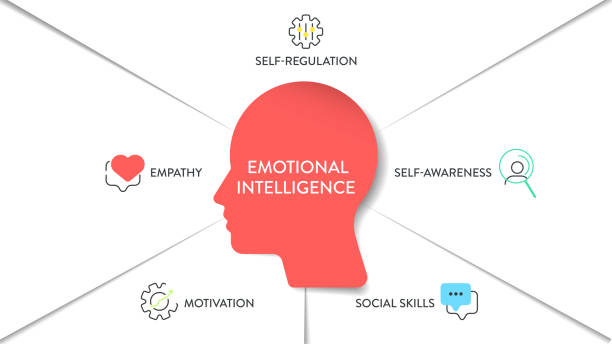
How to Improve a Person’s Emotional Intelligence? A Comprehensive Guide to Boost Your Emotional Wisdom

Emotional intelligence, or EQ, is an essential skill in modern life. Whether at work, within family, or among friends, people with high emotional intelligence tend to better understand their own and others’ emotions, manage complex relationships effectively, and achieve greater success and happiness. So, how can one truly improve their emotional intelligence? This article will explore practical methods to enhance EQ from three core aspects: self-control, emotional expression, and interpreting others’ emotions. It will also include useful tips to help you gradually refine yourself. 1. Strengthen Self-Control: The Foundation of Emotion Management We often simplify “self-control” as merely “controlling emotions,”

How to Use Behavioral Science to Quickly Find True Love and Avoid a Lonely Life

In modern society, having a deep and lasting intimate relationship is no longer simply a matter of “fate” or “luck.” Instead, it is the result of a series of rational and scientific decisions and actions. Whether you are single and eager to find your ideal partner, currently in a relationship looking to stabilize it, or feeling confused and hesitant about your emotions, behavioral science can provide you with effective guidance and support. This article will combine behavioral economics and behavioral psychology to analyze how to scientifically find true love, maintain intimate relationships, assess whether to continue, decide on marriage, and

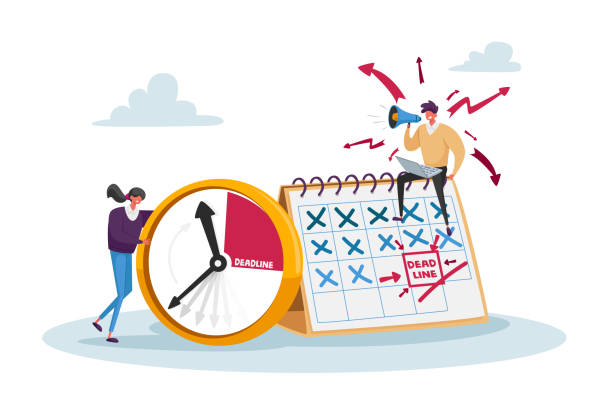
24 Super Practical Time Management Tips to Help You “Shear” Every Bit of Your Time

Time is a fair and precious resource for everyone, yet many people feel there’s never enough of it, their lives filled with trivial tasks that prevent them from using time well. In fact, by mastering some scientific and effective little tricks, you too can easily “shear” more time from your day, making every day fuller and more efficient. Below are 24 super practical tips I’ve gathered from years of time management experience — be sure to save them! 1. Truly Understand the Value of Time — Stop Making Excuses Many complain about having no time, but if you have time

6 Major Warning Signs from Chronic Fatigue to Sudden Death — How Many Do You Have?

Fatigue is one of the earliest and most important biological warning signals of the body, alongside fever and pain as the “three major alarms.” When fatigue hits, it is actually the nervous system sending a “danger signal” — warning you that if you continue to overexert yourself, it could threaten your life. Whether it’s sitting long hours at a desk, eye strain, soreness after intense exercise, or mental exhaustion, overwhelming stress, and lack of sleep, the root cause lies in the brain’s central nervous system, especially the fatigue of the “autonomic nervous center.” When the brain is in a state

What Is the Fundamental Difference Between Those Who Persevere and Those Who Give Up Halfway?

In life, we often face situations where we hesitate: should we keep going or just give up? In fact, the key difference between persevering and quitting often boils down to this: in the very next moment, do you choose to keep going or stop? This seemingly simple choice actually underlies the core of success and failure. Those who persevere usually know how to leverage various external forces and internal resources to push themselves forward, whereas those who quit halfway often get trapped in self-struggle and ineffective procrastination, making it hard to reach their goals. 1. Those Who Persevere Are Good

How to Scientifically Prioritize Work for More Efficient Task Completion

In today’s workplace, how to reasonably arrange and prioritize tasks is a challenge everyone must face. Many people make to-do lists, but in execution, unexpected events often disrupt plans, greatly reducing work efficiency. What exactly causes our carefully planned priorities to be repeatedly thrown off? And how can we respond better to achieve our work goals? Why Are Work Priorities So Easily Disrupted? Despite our best efforts to arrange work reasonably, reality often falls short. The six main reasons for priority chaos are: If these issues aren’t addressed, they will continuously undermine our originally well-ordered work sequence. Specific Strategies to

How to Overcome Stage Fright and Become a Confident, Composed Speaker: A Comprehensive Practical Guide from Preparation to Mindset

Many people fear speaking in front of others not because they lack content, but because nervousness and physical discomfort cause them to forget words, speak too fast, suffer dry mouth, or even freeze up the moment they step on stage. In reality, public speaking is not a gift you’re born with — it’s a skill that can be continuously improved through practice, preparation, and mindset management. If you’re anxious about an important speech, public report, or any occasion where you have to speak in front of people, this guide will serve as your practical toolkit. Below are multi-dimensional strategies to

How to Achieve Lasting Positive Change: The Three Pillars That Matter Most

At some point in life, everyone tries to make a change—whether it’s building a habit of going to bed early, starting a fitness routine, overcoming procrastination, or curbing overspending. Yet we all know from experience: changing behavior is hard. Especially when the goal requires consistency over time, our willpower and initial excitement quickly run dry, often leaving us frustrated and disappointed. So why is change so difficult? And more importantly, how can we achieve real, lasting positive transformation? Research and practical experience suggest that sustainable change doesn’t rely on sheer motivation or grit alone—it hinges on a well-designed behavioral system.