Blog

Why Do You Explode Over Tiny Things? You Might Be Hiding an “Emotional Elephant” Inside

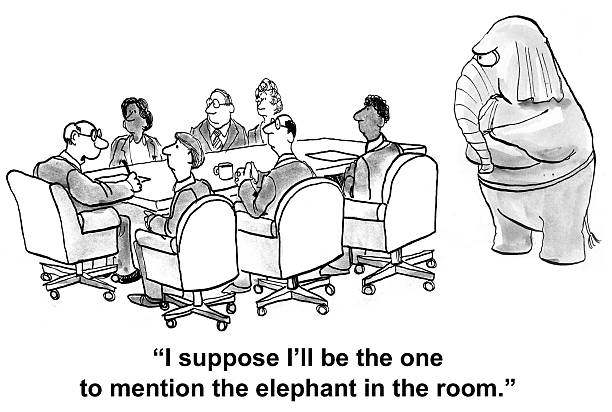
Have you ever had a moment where something seemingly minor—your partner forgetting to take out the trash, a coworker interrupting you, or your child refusing to eat—suddenly sends you into a fit of rage? You may find yourself saying things you later regret, only to wonder afterward: “Why did I overreact like that? Am I just too sensitive?” Psychology offers a deeper explanation: what triggered your anger wasn’t the tiny “mosquito” of a problem—but rather the emotional elephant buried deep inside you. It’s made up of ignored emotions, unhealed wounds, unmet psychological needs, and unresolved pain from the past. Why

How Can Parents Help Children Relieve Psychological Pressure and Rediscover the Meaning of Life?

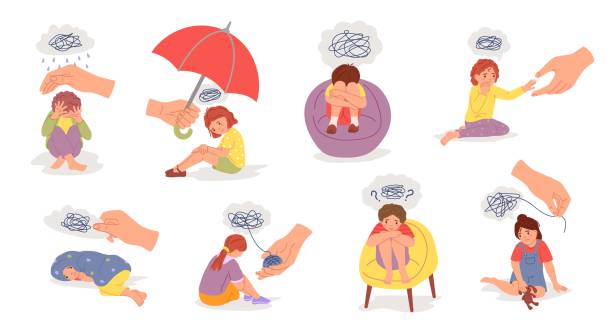
When a teenager utters the words “Life is meaningless,” it often sends a chill down a parent’s spine. Many parents instinctively deny this feeling or respond anxiously, perhaps saying something like, “The hardship you endure now will turn into sweetness in the future.” But we must acknowledge that a child’s confusion and sense of loss don’t arise from nowhere. These emotions are often real reactions to academic pressure, fast-paced living, and the growing pains of adolescence. As parents, we must strive to see the world through our children’s eyes—understanding the roots of their emotional distress and offering support, companionship, and

100 Soul-Inspiring Questions: A Journey to Deep Self-Discovery

We often assume that knowing ourselves is simple. Yet, for many, a lifetime passes without truly hearing the voice within. These 100 questions are not meant to yield perfect answers—they are an invitation to pause, to listen, and to honestly face the desires, fears, and dreams that hide beneath everyday routines. You don’t need to answer them all at once, or even all of them at all. But the moment you begin asking is the moment you begin awakening. I. On Relationships and Love II. On Self and Emotions III. On the Meaning of Life IV. On Time and Habits

The Key to Emotional Mastery: How to Understanding and Transforming Negative Emotions to Serve Your Goals

We often see emotions like anger, anxiety, jealousy, or depression as enemies—forces that disrupt our peace and happiness. But if we take a moment to truly examine where these emotions come from, we’ll realize something profound: every negative emotion carries a hidden message—a desire unmet, a need unacknowledged, or a goal we feel powerless to achieve. Negative emotions don’t show up randomly. They are signals from our inner world, nudging us to pay attention to unresolved issues. When we begin to understand the intentions behind these emotions, we can stop being their victims and instead become their masters. 1. Emotions

Setting Life Boundaries: The True Beginning of Freedom

In our fast-paced, high-pressure world, the word freedom is often misunderstood as doing whatever one pleases without restrictions. But real freedom doesn’t come from abandoning all limits—it comes from understanding what you need, having the courage to say no, and building a clear protective space around your time, energy, and emotions. This strength is rooted in understanding and consciously establishing personal boundaries. 1. What Are Life Boundaries, and Why Are They So Important? Boundaries are like psychological fences. They define where you end and others begin. Far from being a sign of coldness or rejection, boundaries are a form of

Life Isn’t Always Sunny— How to Walk Through the Emotional Rain

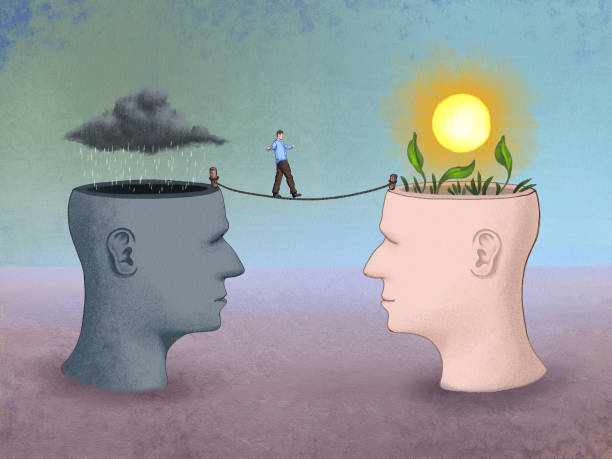
Life isn’t a constant string of sunny days. There are times when emotional clouds gather, and storms of anxiety, sadness, fatigue, or even existential doubt come pouring down. These moments may be unavoidable, but how we respond to them is a choice. Instead of fighting our emotions, we can learn to coexist with them. Instead of denying our lows, we can treat ourselves with kindness. In emotional rainstorms, our feelings are not the enemy—they are the guideposts leading us toward self-awareness and personal growth. Step One: Let Yourself Feel, Instead of Running Away When facing hardship, stress, or failure, many

The World You See Is Not Reality, But a Construct of Your Body and Senses

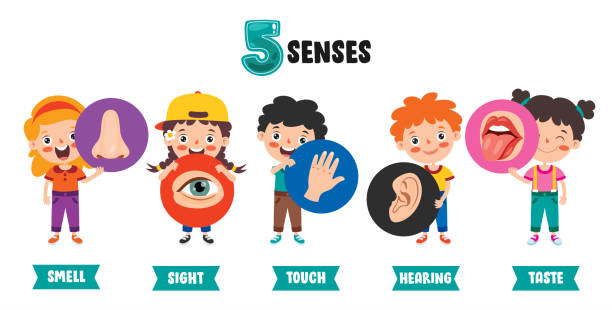
Although each of us tends to believe that what we see is the “real” world, the truth is far more complex. Our perception of the world is actually formed through the integration of various sensory organs—vision, hearing, touch, smell, taste—combined with our unique personal experiences and bodily states, all processed by the brain in a highly intricate way. This means that what we call “reality” is, in fact, a unique mental construct inside each person’s brain. Our thoughts, emotions, behaviors, and even our understanding of existence are profoundly influenced by the state of our body. In other words, the world

Gamify Your Life and Work: How to Turn Boredom into Fun

Have you ever felt that life and work are incredibly dull, making it hard to find interest and motivation? If so, this article will open a window for you, showing how to use a “gamification” mindset to transform your everyday routine into an exciting adventure full of passion and fun. Gamification is not just a technique—it’s a lifestyle attitude that can free you from tedious repetition, reignite your inner fire, and fill both your work and life with energy and creativity. Practice 1: Choose Your Gaming Personality to Start a Personalized Adventure One of the charms of games is that

Mastering 11 Heuristics for Achieving Great Things: Breaking Through Failure to Win the Wisdom of Success

In today’s world, whether it’s massive corporate projects or key national infrastructure initiatives, successfully delivering a large-scale project is an extremely challenging feat. Professor Fu Yibin, a renowned project management expert at Oxford University, after studying over 16,000 projects, uncovered a startling fact — as many as 99.5% of large projects ultimately fail. These failed projects without exception fall into the so-called “iron laws of large projects”: budget overruns, schedule delays, and unmet benefits. Yet behind these daunting statistics shines a glimmer of hope. Professor Fu found that approximately 0.5% of projects successfully avoid these pitfalls and complete their goals

How to Turn the Tables and Win Big When You’re at a Disadvantage Using This Negotiation Trick!

In real life, negotiations happen everywhere — whether you’re asking for a raise at work, discussing a project with partners, or buying, selling, or renting in daily life. Yet often, we’re not on equal footing. When facing a strong, confident opponent, it’s easy to feel nervous, worried about being lowballed, overlooked, or missing out on fair benefits. But as long as you master a practical, scientific negotiation technique — the “Cake-Slicing Method” — you can cleverly reverse the situation, maximize your benefits, and even have the other party willingly cooperate for mutual gain, even when you’re in a weaker position.