Have you ever wondered why some people live to be 100, yet still remain mentally sharp, physically agile, and full of joy? Longevity isn’t a coincidence — it’s the result of long-term, healthy lifestyle choices. Centenarians around the world, despite their diverse cultures and environments, share surprisingly similar habits that contribute to their long lives. Let’s uncover the “secrets of longevity” they live by.
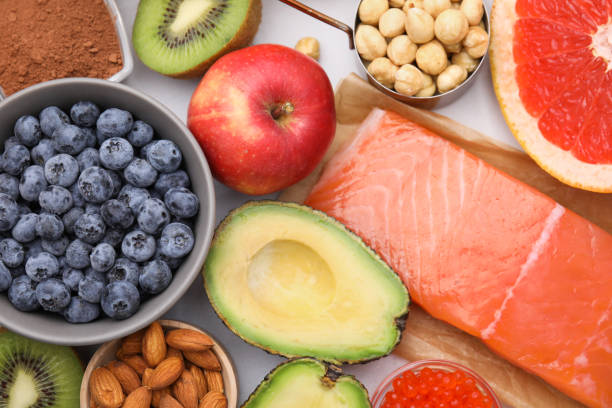
Habit 1: Eating a Variety of Legumes Daily — A Natural Anti-Aging Formula
Legumes are the superstar food in the diets of centenarians.
Soybeans, black beans, edamame, fava beans, chickpeas, lentils — these humble ingredients pack a powerful nutritional punch. They’re rich in high-quality plant-based protein, making them a healthy alternative to meat. They also contain antioxidant polyphenols and vitamin E, which help prevent atherosclerosis and slow cellular aging.
In longevity hotspots, legumes are part of daily life. For example:
- In Sardinia, Italy, locals eat small fava beans every day.
- In Okinawa, Japan, people enjoy “shima tofu” — a firm, locally made tofu often stir-fried with bitter melon.
Tips for incorporating legumes into your diet:
- Lightly blanch fresh edamame, green beans, or snow peas in season.
- Buy dried beans (like adzuki, lentils, or pinto beans), cook in a pressure cooker, and store in the fridge.
- Use pre-cooked beans from the supermarket in salads or mixed with rice.
- Avoid sugary canned beans — choose plain or season with olive oil and herbs instead.
Legumes are great for maintaining health, managing weight, and stabilizing blood sugar. They’re a true “superfood” for all ages.
Habit 2: Eat a Sufficient and Colorful Variety of Vegetables Every Day
You’ve heard “eat more vegetables,” but have you ever truly eaten enough? A healthy diet means consuming at least 350 grams of vegetables per day — roughly two full handfuls.
Some think drinking vegetable juice is the same as eating vegetables, but that’s a myth. Juices are often stripped of fiber and loaded with sugar. Whole vegetables contain valuable dietary fiber that supports gut health and boosts immunity — nature’s own “intestinal cleansing team.”
Centenarians often eat organic or naturally grown vegetables. Those long-lasting salads in convenience stores? They’re usually chemically treated and far less nutritious.
How to improve your vegetable intake:
- Rotate veggies like tomatoes, spinach, broccoli, carrots, lettuce, and pumpkin.
- Choose seasonal and organic produce whenever possible. If not, wash thoroughly to remove pesticide residue.
- Aim to eat at least three different colors of vegetables daily for balanced nutrition.
- Use cooking methods like stir-frying, steaming, or cold salads — go light on oil and salt.
Long-term veggie habits improve vitality, enhance complexion, and reduce the risk of cardiovascular disease and cancer.
Habit 3: Walk Hills Daily to Train Your “Longevity Muscles”
You don’t need to run marathons to stay fit. For centenarians, the most common exercise is simple: walking uphill.
Places with high longevity — like Sardinia, northern Okinawa, and even Hong Kong — tend to have hilly terrain, and people walk slopes daily as part of life.
Why is hill-walking so effective?
- It’s a natural form of aerobic exercise that boosts heart and lung health.
- Uphill walking strengthens the thighs and glutes; downhill walking challenges knee coordination.
- It engages core muscles not used on flat ground — key for slowing aging.
- It’s low-impact and gentle, ideal for older adults.
- It helps prevent osteoporosis, muscle loss, and elderly falls.
In daily life, try:
- Taking stairs instead of elevators.
- Choosing a hilly neighborhood for your walks.
- Using incline settings on treadmills for “mountain walking” workouts.
- Wearing comfortable, non-slip athletic shoes to protect joints.
Just 30 minutes of hill walking can be more beneficial than intense workouts.
Habit 4: Retirement Isn’t the End — It’s the Start of a New “Job”
Centenarians don’t just sit back and relax after retirement — they stay active and engaged.

Whether farming, fishing, cleaning, cooking, or preparing meals for family, they find meaning in continuing to work. This physical activity helps maintain muscle strength and cardiovascular health, while also preventing metabolic diseases from too much sitting. More importantly, it keeps the brain active and prevents cognitive decline.
How urban retirees can stay engaged:
- Doing household chores like cleaning and cooking counts as “micro workouts.”
- Volunteering, tending a community garden, or helping with homework are valuable activities.
- Learn new skills (like cooking, photography, writing, or painting) to stay curious.
- Create a daily schedule and set goals, even after formal employment ends, to avoid feeling lost.
Studies show that a purposeless post-retirement life harms both longevity and mental well-being. To live long, one must feel useful and needed.
Habit 5: Live With Purpose — Always Have Something Worth Doing
One thing centenarians have in common: a strong sense of purpose or mission. Even past 100, they feel their lives still have value.
This sense of purpose doesn’t have to be grand:
- A Sardinian shepherd says, “I need to care for my sheep.”
- An elderly Japanese farmer says, “This land is my lifelong partner.”
- One grandmother says, “I want to make sushi for my grandson.”
- Another says, “I collect newspapers for my neighbors — it makes me feel useful.”
You don’t need to change the world. You just need to tell yourself: “I have something to do today.”
How to find your sense of purpose:
- Set small goals, like writing one sentence in a journal daily.
- Care for a plant or pet — embrace responsibility.
- Stay close to family and be an emotional anchor for children or grandchildren.
- Treat your life like a “masterpiece,” crafting each day with care and meaning.
True longevity isn’t about how long you live — it’s about living with warmth, meaning, and hope.
Principle 6: Stay Socially Connected — Relationships Are an Invisible Medicine for Longevity
Loneliness is more dangerous than obesity or smoking.
All major longevity studies agree: the quality of your relationships is one of the most powerful predictors of long life. A Harvard study that spanned 75 years found that people with strong social connections are not only happier but also healthier and live longer. Even those with healthy lifestyles can experience rapid health decline if they become socially isolated.
In the world’s Blue Zones — such as Okinawa in Japan and Nicoya in Costa Rica — older adults are never alone. They often live with extended families or in tight-knit communities. In Okinawa, elders belong to moai — lifelong social groups that offer companionship and support.
Simple ways to build social bonds:
- Regularly call or meet up with family and friends.
- Join a hobby group — from tai chi to painting, shared interests forge deep connections.
- Host simple gatherings — a shared meal or tea can go a long way.
- Volunteer or mentor someone younger — giving support often brings emotional rewards.
Staying connected doesn’t require grand gestures. It’s about showing up, listening, and being there for others. Your circle of relationships could become your secret to long-lasting health.
Principle 7: Eat Until You’re 80% Full — The Gentle Art of Not Overeating
Many centenarians follow a simple principle: stop eating before you’re full.
In Okinawa, there’s even a phrase for it — “hara hachi bu” — which means “eat until you’re 80% full.” This practice allows time for the body to register fullness, avoiding overeating and reducing the strain on digestion and metabolism.
Over time, chronic overeating leads to obesity, insulin resistance, and inflammation — all of which accelerate aging and disease. In contrast, moderate eating gives the body space to rejuvenate.
Tips to eat more mindfully:
- Chew slowly and savor your food — the slower you eat, the less you’ll eat.
- Use smaller plates and bowls to reduce portion sizes.
- Before reaching for seconds, wait 10 minutes — often, you’ll find you’re already satisfied.
- Focus on your meal — no screens or multitasking while eating.
This isn’t about strict dieting. It’s about tuning into your body’s natural signals. When you eat just enough, your body stays lighter, your mind clearer, and your health more stable.
Principle 8: Have a Regular Sleep Schedule — Let Nature Reset Your Body
Centenarians don’t burn the midnight oil. They follow the rhythm of nature: sleep early, wake early.
Good sleep is the foundation of longevity. While you rest, your body enters “repair mode,” rebuilding cells, clearing waste from the brain, balancing hormones, and restoring immunity.
Sleep deprivation, on the other hand, increases risk of heart disease, dementia, obesity, and depression. Even if you exercise and eat well, irregular sleep can sabotage your health.
Healthy sleep habits:
- Go to bed and wake up at the same time every day — even on weekends.
- Keep your bedroom dark, cool, and quiet — light and noise disrupt deep sleep.
- Avoid caffeine, alcohol, and large meals close to bedtime.
- Use a calming routine to wind down — try reading, gentle stretches, or herbal tea.
Don’t underestimate the power of sleep. It’s nature’s most effective — and free — anti-aging treatment.
Principle 9: Maintain a Calm Mind — Emotional Resilience Prolongs Life
Centenarians often have this unshakable quality: they don’t get angry easily.
When faced with stress, they stay calm, adapt, or laugh it off. Studies show that emotional stability and stress resilience are common traits among those who live beyond 100.
Chronic stress floods the body with cortisol, damages cells, weakens immunity, and accelerates aging. In contrast, calmness preserves brain health and heart function.
Daily practices to cultivate inner peace:
- Practice deep breathing or meditation — even 5 minutes a day can reduce stress.
- Don’t dwell on grudges — forgiveness is a gift to yourself.
- Stay curious and open-minded — it helps you deal with change more flexibly.
- Laugh often — humor is healing.
Remember: A long life isn’t just about your physical state — your mental attitude matters just as much.
Principle 10: Stay Curious and Keep Learning — A Sharp Brain Lives Longer
Contrary to popular belief, centenarians aren’t stuck in the past — they often have a surprising level of curiosity and mental agility.
They read, discuss, debate, and even take up new skills well into their 90s and beyond. This mental stimulation builds cognitive reserve — a kind of “brain bank” that helps fend off memory loss and dementia.
Simple ways to stimulate your brain:
- Learn something new — a language, musical instrument, or craft.
- Play brain games — puzzles, chess, or memory challenges.
- Read daily — books, magazines, even poetry can nourish the mind.
- Engage in conversations — especially with younger generations.
- Travel, explore, or just try a new walking route — novelty keeps the brain alive.
A curious mind is a young mind. Never stop exploring — the world still has wonders to offer, no matter your age.
Final Thoughts: Longevity Is Built on Daily Choices, Not Miracles
Living past 100 is not a stroke of luck — it’s the outcome of hundreds of small choices made consistently over a lifetime.
Let’s recap the 10 powerful habits of centenarians:
- Eat beans regularly — natural, affordable longevity food.
- Eat more vegetables — at least 350 grams a day, for vibrant health.
- Walk uphill — activate your “longevity muscles.”
- Stay active after retirement — treat life as meaningful work.
- Find purpose — always have “something to do.”
- Stay socially connected — relationships nourish the soul.
- Eat until 80% full — prevent disease with mindful eating.
- Prioritize sleep — let your body repair and renew.
- Keep calm — emotional resilience protects your health.
- Stay curious — learning keeps your brain young.
Instead of chasing miracle pills or exotic therapies, perhaps the secret to a long and happy life lies in these simple, natural, and consistent habits. Start with just one or two, and build from there — because every small choice counts toward a brighter, longer future.