What Is Healthy Food?
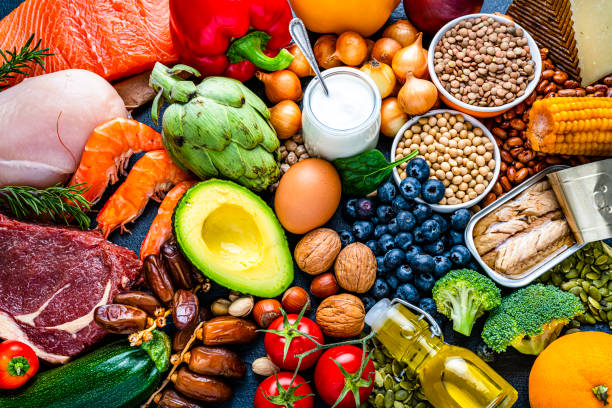
The concept of “healthy food” may seem simple, but it is actually rich in meaning. Generally, consuming more plant-based foods brings more significant health benefits. Numerous epidemiological studies have shown that long-term consumption of low-quality processed meats — such as cheap sausages, ham, and burgers, especially highly processed fast food — significantly increases the risk of cardiovascular disease, certain cancers, and premature death. In contrast, white meat (such as chicken) carries relatively lower risks but still presents some health differences. Fish is widely regarded as the safest source of animal protein because it not only contains high-quality protein but also omega-3 fatty acids beneficial to cardiovascular and brain health.
Among official dietary guidelines from many countries, the only universally agreed and proven recommendation to reduce mortality is to eat at least five different kinds of vegetables and fruits every day. This advice is simple yet powerful because diverse plant foods provide the body with abundant vitamins, minerals, dietary fiber, and various bioactive phytochemicals.
The idea of “eating a rainbow” is often overused today but remains a scientifically sound nutritional guideline. The so-called “rainbow diet” emphasizes diversity and color richness, encouraging the choice of naturally whole foods like purple eggplants, red bell peppers, green zucchinis, and yellow peaches. Each color represents different phytochemicals such as polyphenols, carotenoids, and anthocyanins, which play important roles in antioxidant defense, anti-inflammation, cardiovascular health promotion, and reducing chronic disease risk. It is important to note that effective intake means consuming natural whole fruits and vegetables rather than pasteurized, long-stored, artificially flavored, or colored smoothies and beverages.
Long-term high intake of abundant fruits and vegetables eliminates the need for vitamin C or other synthetic dietary supplements. In fact, isolated intake of synthetic nutrients not only lacks benefits but can pose risks. For example, excessive vitamin E intake is associated with increased cancer risk, and too much vitamin A during pregnancy may cause fetal malformations. This is because single nutrients outside the complex food matrix may cause side effects, whereas the complex nutrient combinations in natural foods are safer and more synergistic.
Vitamin D and calcium supplementation is another common misunderstanding. Recent research shows that neither vitamin D supplements nor calcium in milk significantly reduce fracture risk. Some studies even suggest that excessive vitamin D supplements may increase the risk of falls and fractures, and long-term calcium supplements might slightly raise cardiovascular disease risk depending on genetic backgrounds. Therefore, unless diagnosed with deficiency, obtaining vitamin D safely through about 15 minutes of daily sun exposure is preferable. In winter, foods naturally rich in vitamin D such as fatty fish, egg yolks, dried mushrooms, and fortified products can be consumed more.

Blood Sugar Management and Food Structure
Blood sugar fluctuations depend not only on the food’s components but also on how we eat and chew. Thorough chewing in the mouth gradually releases sugars and fats into the bloodstream slowly, preventing sharp spikes followed by rapid drops. Such drastic fluctuations trigger strong hunger sensations, leading to overeating at the next meal, thereby increasing metabolic burden and obesity risk.
For example, the blood sugar response to eating a whole apple versus drinking apple juice differs dramatically. The blood sugar peak after juice is three times that of eating the apple, mainly because juice removes fiber and allows sugars to enter the bloodstream rapidly. More extreme is turning apples into purees or smoothies; the broken cell walls make starches easier to digest and blood sugar rises quickly, while the food loses its prebiotic function in the colon.
The “matrix” of food — its physical structure — greatly affects health. For instance, eating a sandwich made with traditional fermented bread and cheddar cheese expends more energy during digestion and is healthier than one made with processed white bread and processed cheese. Similarly, eating whole nuts impacts blood lipids and calorie absorption differently than nut powders, because intact nuts have lower fat absorption due to their complete structure.
Gut Health: The Key Role of Diverse Plant Foods
Recent citizen science projects from multiple countries have revealed the critical importance of gut microbiome diversity for health. Collecting over 11,000 samples, the research found that consuming 30 different plant foods weekly significantly improves gut microbial diversity and function. This diversity helps digestion, supports immune health, and even regulates appetite and body weight.
Gut microbes sense the host’s food intake and send signals of satiety or hunger. Some microbes increase to signal the brain “you’re full,” while others decrease to urge continued eating. This complex signaling takes about 20–30 minutes, roughly matching the time we feel full.
Fermented foods play an essential role in gut health. These are foods produced through active microbial fermentation and still contain live strains, such as traditional cheeses, yogurt, kefir, fermented soy products, kombucha, German sauerkraut, and Korean kimchi. While some foods like chocolate, coffee, and red wine involve fermentation during production, the final products typically do not contain live bacteria.
Five Golden Rules for Healthy Eating
- Choose foods beneficial to gut microbiota — healthy foods nourish both us and our gut microbes.
- Consume a wide variety of plants — aim for at least 30 different plant foods weekly to ensure diversity.
- Prioritize plant foods rich in polyphenols and dietary fiber, such as dark-colored fruits and vegetables, nuts, and legumes.
- Regularly eat fermented foods to promote a healthy gut microbiome balance.
- Eat whole, natural foods and avoid ultra-processed products to preserve food’s natural matrix and nutrients.

What Is Unhealthy Food?
Unhealthy foods are generally those that provide no real benefit or are harmful to the body. Factory-made ultra-processed foods often lack dietary fiber, polyphenols, and probiotics; long-term or excessive consumption inevitably harms health. Typical examples include doughnuts, rice cakes, and many protein bars. Also unhealthy are foods absorbed rapidly in the upper gut and barely reaching the colon, causing rapid blood sugar spikes followed by crashes, increased fat metabolism burden, chronic inflammation, and overeating.
The term “ultra-processed foods” was coined by Brazilian scientist Carlos Monteiro in 2018. These foods usually contain little or no whole ingredients but are made from various industrial extracts and chemical additives, featuring high fat, salt, and sugar content but lacking fiber, protein, and micronutrients. Common examples include potato chips, which are actually dehydrated potatoes mixed with starches and additives, containing almost no real potato nutrition.
A simple way to identify ultra-processed foods is by checking ingredient lists for substances rarely used in home cooking, such as high fructose corn syrup, hydrogenated oils, unesterified vegetable oils, and synthetic additives. More than 2,000 food additives are permitted globally to enhance flavor and preservation but reduce the food’s natural nutritional value.
Ultra-processed foods are designed for high profit, convenience, and strong palatability to suit modern fast-paced life, but at the expense of health. Therefore, they should be avoided as much as possible.
of Dietary Recommendations
- Maintain a diverse intake of fruits and vegetables — at least 5 types daily, 30 types weekly, paired with whole grains, nuts, and legumes.
- Prioritize fish and moderate white meat consumption; reduce red and processed meats.
- Avoid ultra-processed foods and snacks high in additives.
- Consume fermented foods with live probiotics in moderation.
- Chew thoroughly and eat slowly to avoid sharp blood sugar fluctuations.
- Focus on natural whole food matrices; reduce intake of fruit juices and smoothies with high glycemic load.
- Obtain vitamin D mainly through sun exposure and natural foods rather than large-dose supplements.
By following these dietary adjustments combined with moderate exercise and good lifestyle habits, you can effectively lower chronic disease risk and improve quality of life. Food scientists consistently remind us that truly healthy eating is not about isolated nutrients but a comprehensive, multi-level, diverse natural food choice and lifestyle integration.