
In today’s fast-paced world, many people are searching for ways to boost their energy and maintain good health. However, a key factor hidden behind our daily diets is often overlooked — the management of blood sugar. Controlling blood sugar is not just about preventing diabetes; it is fundamental to maintaining stable energy throughout the day, improving mood, slowing aging, and preventing various chronic diseases. This article will delve deeply into why blood sugar control is the primary key to health management and teach you how to scientifically adjust your eating habits to truly take charge of your physical and mental well-being.
Blood Sugar — The “Weather Vane” of Health
The term “blood sugar” is probably familiar to everyone. Whether it’s the “fasting blood glucose” measured during a health checkup or the “glycated hemoglobin (HbA1c)” that reflects blood sugar fluctuations over the past month or two, these numbers are directly linked to our health status. Abnormal blood sugar values not only signal an increased risk of diabetes but also have profound effects on bodily functions and mental states.
Why is blood sugar so important? Because it directly reflects the supply of energy in the body. High blood sugar causes insulin resistance in cells, gradually damaging organs. Low blood sugar deprives the brain of energy, leading to poor concentration, mood swings, and fatigue. More seriously, frequent and severe blood sugar swings can trigger what’s known as “sugar toxicity,” keeping the body in a long-term sub-healthy state.
Sugar Intake and Blood Sugar Fluctuations: The Hidden “Health Killers”
Blood sugar levels are mainly determined by carbohydrate intake, while fats and proteins barely raise blood sugar directly. For example, eating a buttery grilled steak hardly affects blood sugar, but drinking a sugary beverage causes blood sugar to spike rapidly. This is because liquid sugars are quickly absorbed through the gastrointestinal tract, prompting the pancreas to release large amounts of insulin, which forces blood sugar to crash. This sharp fluctuation produces a brief “euphoria,” but is followed by mood crashes, fatigue, and cravings for more sugar, creating a vicious cycle.
Many mistakenly believe that drinking sugary drinks or coffee before work boosts productivity, but in fact, this creates a false illusion of energy and mood. Over time, it damages the body’s energy balance and mental health.
The Relationship Between Blood Sugar Fluctuations and Daily Performance
When blood sugar is too low (usually below 3.9 mmol/L), the brain lacks enough fuel, causing difficulty focusing, slowed reactions, dizziness, nausea, and irritability. This condition, common among people who consume many sugary drinks and snacks, is known as “reactive hypoglycemia,” and it negatively impacts work efficiency and quality of life.
Studies in the U.S. show that low-income groups, due to limited dietary options, often consume excessive cheap sugary foods. Consequently, rates of diabetes, obesity, and other chronic diseases continue to rise, posing a significant public health challenge.
Debunking Myths: Ten New Truths About Sugar and Health
1. Sugar, Not Fat, Is the Real Culprit Behind Obesity
Many blame fat intake for weight gain, but scientific research shows that sugar—especially refined carbohydrates—is the main driver of obesity. High-carb foods like rice, bread, and steamed buns rapidly raise blood sugar and promote fat accumulation, whereas fried meat does not directly cause weight gain.
2. Simply Cutting Calories Does Not Guarantee Weight Loss
While calorie restriction has long been viewed as the key to slimming down, strict dieting usually only causes hunger and slows metabolism, limiting effectiveness. Controlling sugar intake, particularly reducing refined sugars, is more effective for weight management.
3. Eating Fat Does Not Necessarily Make You Fat
Although excessive fat intake is unhealthy, the body expels some excess fat through digestion rather than storing it all. Sugar, however, is nearly 100% absorbed.
4. Diet Has Limited Impact on Cholesterol Levels
Cholesterol is mainly synthesized by the liver, with diet influencing only about 10%. Therefore, cutting eggs and meat alone to control cholesterol is unrealistic.
5. Excessive Artificial Protein Intake Harms the Kidneys
Overconsumption of synthetic proteins and amino acids increases kidney burden and may damage kidney function and bone health.
6. Eating Small, Frequent Meals Helps Stabilize Blood Sugar
Having 5-6 smaller meals daily helps avoid blood sugar spikes and crashes, controlling hunger and energy supply.
7. Excessive Fruit Consumption May Lead to Obesity
Although fruits are rich in vitamins and minerals, their high fructose content can cause blood sugar fluctuations and fat gain if eaten excessively or on an empty stomach.
8. Eating Sweets When Fatigued Backfires
After a short energy boost, deeper fatigue follows. Relying on sugar to relieve tiredness burdens the body.
9. Avoid Potentially Carcinogenic Processed Foods
Processed meats like ham, sausages, and cured meats, along with alcohol, have confirmed cancer risks.
10. Moderate Post-Meal Exercise Helps Control Blood Sugar
Light activities like walking or stretching after meals help stabilize blood sugar and prevent obesity and metabolic disorders.
How to Scientifically Control Sugar Intake and Optimize Energy Management

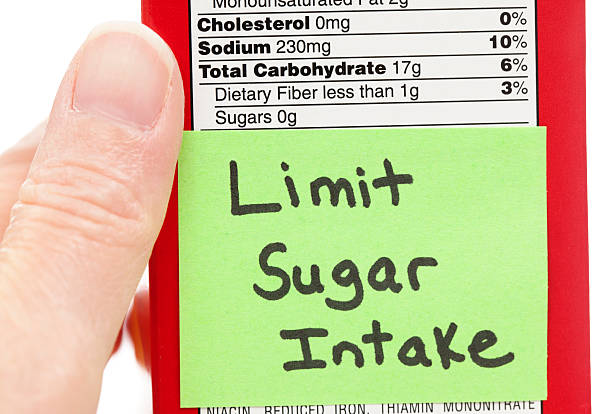
1. Strictly Limit Sugar Intake
Adults should keep daily sugar intake below 60 grams; for weight maintenance, men should not exceed 120 grams and women 110 grams. This means reducing staples like rice, bread, noodles, and steamed buns, and increasing protein- and fiber-rich foods like vegetables, fish, and legumes.
2. Avoid Sugary Drinks and Sweets
Canned coffee, fruit juices, soda, cakes, and snacks often contain hidden sugars and should be avoided. Replace drinks with water or unsweetened tea.
3. Reduce Sugar at Dinner and Increase Activity
Eating too much sugar at dinner combined with low activity encourages fat storage. Limit sugar at dinner and do light exercise such as walking or stretching afterward.
4. Choose Low-Sugar, High-Fiber Alternatives
Brown rice, whole grain bread, and tubers have some sugar but are mineral-rich and healthier than refined grains, suitable for controlled intake.
5. Pay Attention to Food Form and Absorption Speed
Liquid sugars absorb rapidly and cause blood sugar spikes; solid foods digest slower and maintain stable energy. Chewing slowly helps control blood sugar swings.
Controlling blood sugar is not just a method to prevent diabetes but a fundamental approach for modern people to enhance energy management, improve mood, slow aging, and boost quality of life. By scientifically managing sugar intake, cutting out sugary drinks and processed sugars, and combining moderate exercise with balanced nutrition, everyone can hold the key to their own health, break free from sugar toxicity, and embrace a more energetic and stable life.