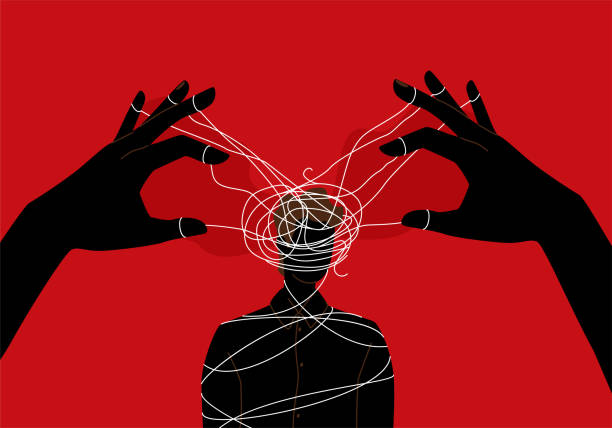
In today’s age of information overload, advertising and propaganda are not only everywhere—they’re getting smarter. They leverage psychological principles, behavioral nudges, group identity, and emotional manipulation to subtly steer our decisions—from what we buy to what we believe politically. This kind of influence isn’t limited to marketing. It also permeates political campaigns, online discourse, and even charitable campaigns. What appears to be neutral or helpful information may in fact be a carefully crafted message designed to hijack your judgment.
So how can we recognize this cognitive manipulation? And more importantly, how can we avoid becoming victims of persuasive propaganda? This article explores the psychological strategies behind deceptive messages and provides practical tools to help you stay mentally sharp in an age flooded with persuasive signals.
1. The Nature of Propaganda: It’s Not About “Telling,” It’s About “Influencing”
At its core, propaganda isn’t just about sharing facts—it’s about influencing how you receive and react to them. It doesn’t say, “Buy this” or “Believe that” outright. Instead, it subtly creates a mental environment in which you want to buy, support, or advocate for something—often without questioning why.
Social psychologists point out that this kind of influence taps into inherent human tendencies: our deference to authority, fear of exclusion, desire for scarce resources, avoidance of conflict, and longing for belonging. While these instincts are not inherently bad, they become dangerous when deliberately exploited for manipulation.
During World War II, political propaganda was a tool for mobilizing public emotion and orchestrating mass behavior. In the commercial era, advertisers adopted the same principles, perfecting the art through celebrity endorsements, emotional storytelling, and engineered urgency.

2. The Psychological Mechanisms Behind Manipulation
Let’s explore some well-documented social psychology experiments that reveal why propaganda is so effective:
1. “You Think You’re Too Smart to Be Fooled”? That’s the Third-Person Effect at Work
Studies show that most people believe others are more susceptible to propaganda than they are. This bias is known as the third-person effect. Psychologist Brad Sagarin conducted experiments where students were taught how to detect deceptive authority in ads. The lesson had little impact—until students were first tricked by a misleading ad themselves. Experiencing deception firsthand doubled their learning retention.
This suggests: Only when people realize “I, too, can be manipulated” do they start taking propaganda literacy seriously.
✅ Your Defense: Acknowledge your own vulnerability. Thinking you’re immune makes you an ideal target.
2. Emotion Is the Fastest Route to Manipulation
Whether it’s the urgency of a “limited-time offer” or patriotic fervor in a campaign, emotion is one of propaganda’s most powerful tools. Emotions bypass critical thinking and trigger instant action. For example:
- Fear makes you buy insurance.
- Guilt makes you donate.
- Scarcity makes you shop impulsively.
- Shame makes you stay silent.
✅ Your Defense: When a message stirs intense emotion, pause and ask: “Why do I feel this way? Who’s benefiting from it?” That tiny moment of emotional awareness can disrupt manipulation.
3. The Messenger Matters: Not Just Who Said It, But Why
Whenever someone recommends a product, opinion, or policy, ask yourself:
- What’s in it for them?
- What makes them credible?
- Is there a counter-expert with an opposing view?
In the age of social media, influence is cheap. With the right script and visuals, anyone can appear to be an expert.
✅ Your Defense: Build an internal “source scanner.” Don’t blindly trust blue checks, white coats, or famous faces.
3. Common Propaganda Tactics: A Checklist for Self-Defense
Propaganda comes in many clever disguises. Here’s a cheat sheet of classic manipulative tactics and how to respond:
| Manipulation Tactic | Common Examples | How to Defend Yourself |
|---|---|---|
| Urgency/Scarcity | “Only 3 left!” “Today only!” | Pause and ask: Do I actually need this? |
| Bandwagon Effect | “Over 100,000 people bought this!” | Ask: Does popularity mean it’s right? |
| Fake Authority | “Expert approved” “Celebrity pick” | Investigate: Are they qualified or paid? |
| Emotional Guilt | “If you don’t support this, you’re heartless” | Ask: Am I being guilt-tripped? |
| Decoy Options | “This one’s sold out, try the pricier one” | Ask: Coincidence—or manipulation? |
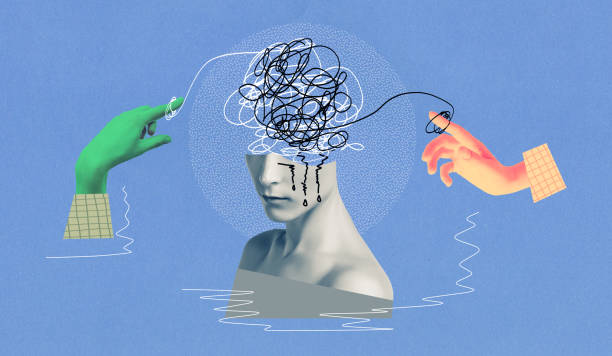
4. What Can You Do? 12 Practical Anti-Manipulation Habits
- Pause Before Reacting: Anything urging you to “click now,” “buy fast,” or “share immediately” may be a trap.
- Seek Counterarguments: Always look for the opposing side of any argument you agree with.
- Decode Language Traps: Ask if certain word choices are framing the issue unfairly.
- Watch for “Entertaining” News: What’s flashy isn’t always important—or true.
- Diversify Your Information Sources: Relying on one outlet creates echo chambers.
- Check What People Do, Not Just What They Say: “Supports the environment” means little if their actions contradict it.
- Teach Kids to Think Critically: Instead of saying “don’t watch ads,” show them how to analyze ads.
- Doubt “Feels-Like-Facts” Claims: When you hear a juicy rumor, ask: Is this backed by evidence?
- Spot “Too Good to Be True” Deals: If it sounds magical, it probably isn’t real.
- Train Emotional Detachment: When you feel a strong emotional spike, delay decisions.
- Learn the Common Manipulation Tricks: Awareness makes them easier to resist.
- Engage, Don’t Withdraw: The less you care about public issues, the easier you are to control. Know where your money and your vote go.
5. Media Literacy Is the New Mental Immunity
We can’t escape persuasive messaging—but we can build immunity. It’s like installing a firewall in your brain against “emotional viruses” and “false signals.” Start with these habits:
- Approach emotionally charged messages with detective-level curiosity;
- Don’t idolize familiar faces or viral topics;
- Raise children to be critical thinkers in a world of digital noise;
- Make diverse perspectives part of daily life to avoid echo chambers;
- Stay alert to who holds power and who shapes the narrative.
In today’s “attention economy,” not all propaganda is evil—but if you’re unaware of it, you’re likely being guided by it.
Remember: Discerning the truth is not a superpower—it’s a daily practice for anyone who wants to live consciously.