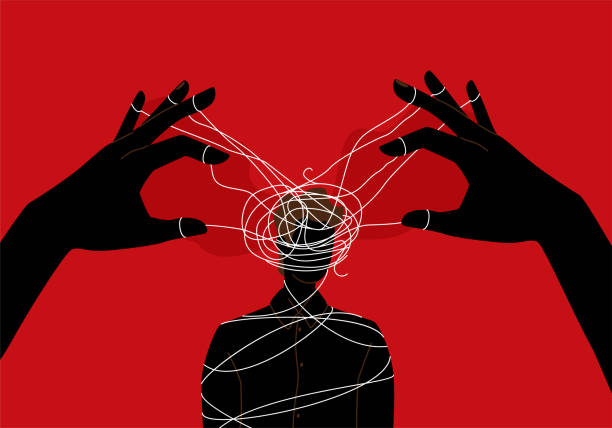
Emotional fluctuations are an unavoidable part of everyday life for everyone. For those who tend to be impulsive and experience intense emotional swings, learning to effectively manage and control their emotions becomes especially important. The consequences of impulsivity often go beyond momentary emotional outbursts—they can affect relationships, work performance, and even mental and physical health. So how can you effectively master your emotions and avoid being controlled by them? This article will introduce several practical emotional regulation techniques to help you gradually achieve inner peace and rationality.
1. Notice Your Emotions Without Judgment — Cultivate Awareness
The first step in managing emotions is to learn to observe them. The key is “awareness” — not criticism or judgment, but simply paying attention to and acknowledging the feelings you are experiencing right now. Many people suffer “secondary pain” from emotional ups and downs: not only do they feel anger, anxiety, or fear, but they also blame or deny these feelings, which only adds to their inner burden. Learning to look at your emotions with an open and accepting attitude can help you avoid this negative cycle.
Practice: Focused Breathing and Emotional Awareness
This exercise uses breathing to help you stay present and reduce emotional escalation. Here’s how:
- Focus on your breath: Slowly take 4 to 5 deep breaths, feeling the air pass through your throat, your ribs expand and contract, and your diaphragm move up and down. Breathing is a natural relaxation tool that quickly helps detach you from intense emotions.
- Observe your emotions: Once calm, ask yourself, “How am I feeling right now?” If it’s hard to name a specific emotion immediately, recall a recent similar experience and try to remember the environment, conversations, and bodily sensations in detail.
- Notice bodily sensations: Pay attention to the physical responses tied to your emotions, such as chest tightness, heaviness in your head, tension in your arms, or facial stiffness. Focus on these concrete feelings rather than the abstract emotion itself.
- Name the emotion: Try to label the emotion with a word like “anxiety,” “anger,” “disappointment,” or “fatigue.” Naming the emotion makes it less vague and helps you understand it better.
- Watch your judgments without reacting: Many people, when emotionally charged, also have judgments like “I’m useless” or “No one understands me.” Imagine these judgments as leaves floating down a stream, clouds drifting across the sky, or passing train cars—let them come and go naturally without being trapped by them.
- End with mindful breathing: Spend 3 minutes focusing consciously on the rhythm and feeling of your exhale to consolidate your calm state.
2. Emotional Release — Courageously Face and Accept Your Feelings

Often, we try to suppress or avoid our emotions, which ironically leads to deeper suffering. Emotional release doesn’t mean unchecked venting; rather, it means expressing and processing your emotions in a safe, rational way that helps you accept your true feelings.
Keeping an Emotion Journal
An emotion journal is an effective self-monitoring tool. It helps you clarify when and why your emotions become intense and what reactions follow. Steps include:
- Event: Write down the specific trigger, which can be an external event or an internal thought or memory.
- Emotion: Use simple words to describe your feeling, like “anger” or “sadness.”
- Response: Note how you reacted, such as “deep breathing,” “shouting,” or “suppressing the emotion.”
For example, Linda tracked her emotional ups and downs and found her anger often stemmed from family pressure, and she usually suppressed or avoided it, which only worsened her mood.
Steps for Emotional Release Practice
- Breathe calmly to enter a centered state.
- Focus on internal bodily sensations.
- Describe the emotion you currently feel.
- Observe how the intensity changes, imagining it like the ebb and flow of tides.
- Identify and name any new emotions that arise.
- Notice any thoughts about suppressing the emotion but don’t argue with them.
- Pay attention to impulses triggered by emotions, observe without acting immediately.
- Watch your views about yourself, others, or the emotion itself without judgment.
- Continue observing until the emotion changes or lessens.
- Finish with a few minutes of mindful breathing.
For beginners, keep the practice brief (around 5 minutes) and gradually increase the time. Ending with mindful breathing helps relax the nervous system and strengthens emotional regulation.
3. Opposite Action — Using Contrasting Behavior to Regulate Intense Emotions
Opposite action is a behavioral regulation technique where, instead of denying or pretending the emotion doesn’t exist, you consciously choose to act in a way opposite to the current emotion, which in turn influences the emotion itself.
Six Steps for Opposite Action
- Acknowledge the emotion: Verbally express how you feel, e.g., “I am very angry right now.”
- Assess the emotional impact: Ask yourself, “Is this emotion out of control? Could it lead to harmful behavior?”
- Notice body language: Observe facial expressions, posture, and language, especially signs of anger, fear, or anxiety.
- Plan opposite actions: For example, relax facial muscles, regulate your breathing, express dissatisfaction calmly, and choose proactive rather than avoidant behavior.
- Commit to the plan: Set time limits to maintain the new behavior pattern, remembering the goal is to control the emotion, not be controlled by it.
- Observe the effects: Notice how the emotion shifts as you practice opposite action. This method often quickly reduces negative emotional intensity.
Opposite Action Case Study
Back to Linda, she reduced angry outbursts through opposite action. When feeling rejected, she chose to calmly express her hurt rather than shut down or shout. After several weeks, her anger became less intense, and her inner peace increased.
Opposite action is like a sharp blade that can swiftly cut down strong negative emotions. Fear turns into strength, sadness into focus, anger into calmness, and guilt or avoidance into initiative.
4. Problem Solving — Tackling the Root Cause to Prevent Emotional Outbursts
Effective emotion management is not just about after-the-fact regulation; it also involves analyzing and resolving the root causes that trigger emotions. Behavior analysis helps you break down events step-by-step to find the origins of emotions and develop better coping strategies.
Behavior Analysis Process
- Identify the unpleasant emotion: Clearly name the strong feeling you’re experiencing, such as “anger” or “anxiety.”
- Record triggering events: Distinguish between external events and internal thoughts. For example, a critical visit from your mother-in-law is external; feeling your home is messy and blaming yourself is internal.
- Analyze secondary events: Explore deeper psychological layers behind the emotion, such as self-denial, shame, or responsibility.
- Reflect on your behaviors: What did you do in response to the emotion? Were these actions reasonable or effective?
Case Study
Sam felt angry at his mother-in-law’s disapproval, but through behavior analysis, he realized the true pain came from his guilt and self-blame about his living environment and financial situation. He had been blaming his mother-in-law’s attitude while ignoring his own inner suffering. By shifting his attention inward and trying to improve himself, Sam learned to manage his anger more constructively.
Controlling emotions is a long, detailed process without quick fixes. By practicing emotional awareness without judgment, expressing emotions appropriately, using opposite actions, and deeply addressing root causes, you can gradually enhance your self-regulation and reduce the negative impact of impulsive behavior.
Remember, emotions are like waves that rise and fall—allow yourself to feel them, and learn to navigate them. With patience and kindness toward yourself, you will eventually discover the calm, confident, and composed person within.