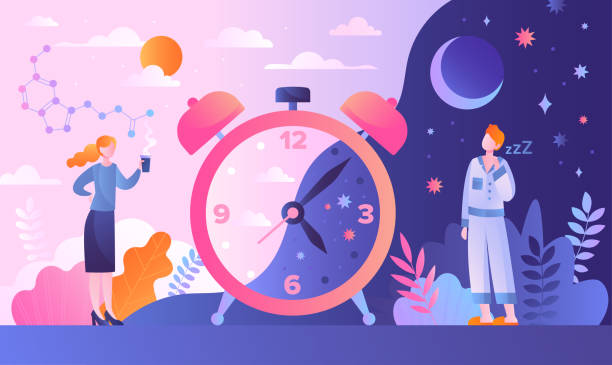
In today’s fast-paced society, our quality of life largely depends on how we manage our personal life rhythms—coordinating diet, exercise, and daily routines. Different life rhythms bring about different health conditions and psychological experiences, ultimately determining the quality of our lives. Below, we take a deep dive into how life rhythms profoundly impact life quality, focusing on two key aspects: diet and exercise.
No Fixed Rules for Eating — Returning to the Wisdom of Natural and Seasonal Diets
Eat According to the Seasons: Choose Seasonal Foods
Healthy eating isn’t just about limiting calories or certain nutrients; it’s about following nature’s laws and choosing fresh, seasonal foods rich in high-quality protein. We should prioritize naturally grown, minimally processed ingredients like fresh meats, eggs, a variety of vegetables, and fruits. A plant-based diet supplemented with appropriate amounts of quality animal protein is ideal.
The human body’s protein needs follow clear physiological patterns: we keep eating until our protein requirements are met, at which point hunger and appetite decrease. This shows that protein intake is key to regulating how much we eat. In reality, many easily accessible foods are low in protein, and protein digestibility varies—wheat protein, for example, is less easily absorbed. When protein intake is insufficient, people unconsciously consume excess fats and carbohydrates, leading to calorie surplus and nutritional imbalance.
More importantly, research shows that regardless of fat and carbohydrate intake, the more adequate the protein intake, the higher the body’s total energy expenditure. This means a high-protein diet can boost metabolism and help control weight. Scientists also found that protein should be evenly distributed across three meals a day for optimal bodily regulation.
However, many modern diets overlook this, often resulting in insufficient and uneven protein intake. People then respond to strong hunger cues by overeating sugary and fatty foods, harming their health. We must revalue protein as a central pillar of a healthy diet.
Meal Timing: Syncing with Natural Rhythms
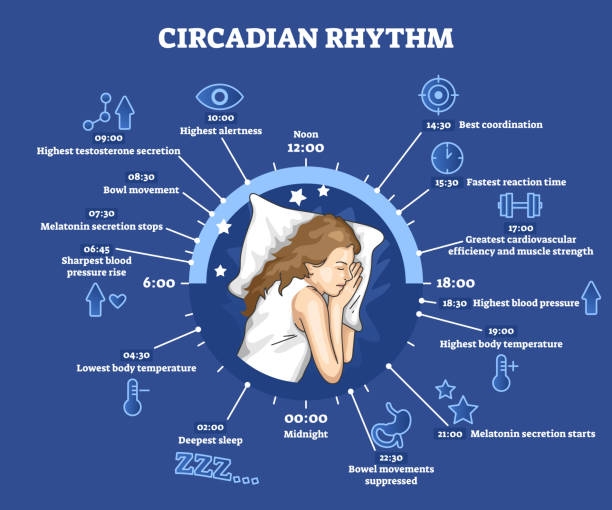
Food not only nourishes our bodies but also connects us closely to other people and the natural environment. The body’s biological rhythms are regulated by day-night light changes, and meal timing acts as a crucial “time cue” called a “zeitgeber” that helps synchronize our internal clocks with natural light cycles.
Research from the Salk Institute points out that efficient metabolism depends on well-timed eating. Limiting daily eating windows to 8–12 hours (usually morning to evening) significantly improves metabolic health. This approach, known as time-restricted eating or intermittent fasting, contrasts sharply with modern habits where eating windows often exceed 15 hours, with frequent nighttime consumption of high-sugar, high-fat foods and alcohol, which conflicts with the body’s lowered metabolic capacity at night.
At night, melatonin slows metabolism and the body enters repair mode. Eating large amounts of food, especially carbs, during this time easily disrupts blood sugar and insulin balance, increasing risks of metabolic disorders. Studies also show that glucose metabolism is much more efficient in the morning than at night, so a hearty breakfast and a light dinner better maintain metabolic balance.
Additionally, seasonal changes in daylight length influence optimal meal timing and eating patterns. Longer eating windows and more activity in summer favor greater intake of fruits and vegetables; in winter, with reduced food availability and shorter eating windows, our ancestors tended toward low-carb, high-fat diets and even seasonal intermittent fasting.
Many modern people’s eating patterns are disconnected from their circadian rhythms, leading to internal disarray and health risks. Understanding and respecting our biological clocks is a key step toward building a healthy life rhythm.
Family Meals: The Joy of Sharing
Eating is not just an individual act; it is an important part of social life. Research shows that people who regularly eat with others tend to be happier, more satisfied, more trusting, and have richer social connections. Humans naturally build relationships through shared meals—sharing food is a fundamental bond of trust and cooperation.
In “Blue Zones” (regions with high longevity), social interactions, especially communal eating, are key contributors to long life. Food reduces emotional distance and strengthens connections. In other words, a healthy eating rhythm is about not only what you eat, but who you eat with.
Trust Your Intuition, Choose Local Ingredients
To develop a diet rhythm that suits you, a simple and effective rule is: pick seasonal ingredients from your local farmers’ markets. Learning what farmers are growing and producing each season helps you naturally transition to seasonal eating.
This practice aligns with ecological cycles and helps you cultivate eating intuition, gradually understanding how your body responds to different foods and building a diet pattern that matches your needs.
Exercise: Combining Rhythm with Variety
Caveman-Style Workouts — Returning to Human Movement Roots
A 2018 WHO report highlighted that only about 25% of adults worldwide meet recommended physical activity levels, increasing chronic disease risks. The sedentary lifestyle of modern humans starkly contrasts with the active lifestyle of our ancestors.
Our ancestors’ exercise style—“caveman workouts”—featured:
- A lot of low-intensity, high-frequency daily activities, like long walks;
- Regular lifting and carrying of heavy objects, promoting muscle and bone health;
- Intermittent high-intensity efforts, such as sprints and hunting.
This movement pattern emphasizes strength, combined with sustained low-intensity activity and occasional high-intensity bursts. Modern physical therapists call this “General Physical Preparedness” (GPP). This approach is highly suitable for maintaining overall health and functional fitness.
Adjusting Exercise Rhythms with Seasonal Changes
Seasons affect how and how much we move. Spring encourages expanding activity range and starting new exercise routines; summer suits long outdoor activities like hiking, cycling, and playing; autumn and winter often bring reduced activity and more indoor time, which can decrease vitality.
To counter autumn-winter declines, exercise strategies should include interval and sprint training to maintain intensity, plus more indoor activities and close social interactions with family and friends. Activity types may shift from group outdoor sports to more private, personalized training.
Spring and autumn serve as transition periods for exercise intensity and duration. Maintaining moderate levels helps stabilize the body and adapt to seasonal shifts.
Athletic Generalists: Balanced, Comprehensive Development
In modern society, people often focus on one type of exercise, neglecting other bodily capacities. Biomechanics expert Katie Bowman advocates for being “athletic generalists,” developing strength, flexibility, endurance, and balance comprehensively instead of specializing in just one skill.
This requires a planned mix of varied exercises, combining natural daily movements with structured training to keep the body in optimal condition, resist illness, and enhance life quality.
Adjusting life rhythms is both a scientific necessity and an art form. Following natural dietary rhythms, reasonably scheduling exercise intensity and timing, and valuing the joy of social meals build the foundation of a healthy life. By respecting and aligning with our internal biological clocks, we can enhance physical health, boost psychological well-being, and ultimately achieve a higher-quality life experience.
Let’s start with diet and exercise, regain control of our life rhythms, and embark on a journey full of vitality and happiness.