In-Depth Analysis and Practical Guide
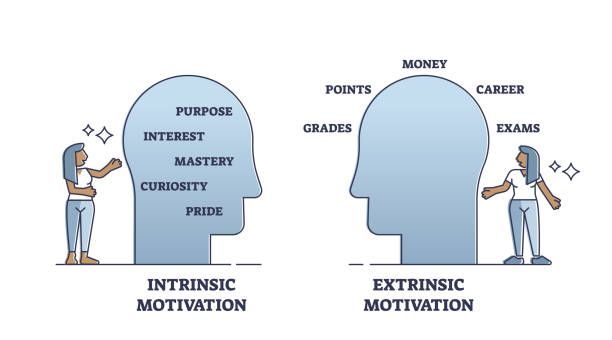
Where does the driving force in life truly come from? Is it external pressure or that deep, hard-to-let-go desire within your heart? In fact, intrinsic motivation—the self-driven force arising from within—is the fundamental power that propels us to achieve goals and realize dreams. Whether you want to change your life, improve yourself, or reach an important milestone, intrinsic motivation is an indispensable source of energy.
This article will guide you to fully understand what intrinsic motivation is, how to set strong and scientifically sound goals, how to stimulate and maintain your inner drive, and how to effectively manage the challenges along the way—making your life journey meaningful and passionate.
1. The Power of Goals: How to Make Goals Your Strongest Driving Force
Goals are not just simple “ideas” or “wishes”; they are engines that drive your actions. A clear and meaningful goal effectively guides your direction and inspires continuous effort.
How Do Goals Change Your Behavior?
When you set a goal, it naturally becomes the center of your life. You begin to automatically mobilize your time, energy, finances, and other resources to make decisions and take actions around that goal. Goals act like magnets, pulling you closer to realizing your deepest desires.
However, goal setting is not arbitrary. Many people fall into these three common traps:
- Seeing goals as means rather than ultimate pursuits. For example, “applying for jobs” is a means, while “finding your ideal job” is the real goal.
- Goals being overly detailed and fragmented, lacking the big picture. Too many tiny goals can cause confusion and loss of motivation.
- Setting goals based on avoidance rather than pursuit. The motivation behind “not wanting to fail” is very different from “wanting to succeed.”
To let goals truly drive you, they must represent the final desired outcome—not just a step toward it. In other words, your goal should be “having a job that satisfies you,” not “filling out 10 job applications every day.”

2. Scientific Goal Setting: The Art and Strategy of Numeric Metrics
A good goal requires scientifically designed metrics. Reasonable numeric indicators help quantify progress, making goals more specific and actions more measurable.
What to Keep in Mind When Setting Numeric Metrics?
- Metrics should be challenging yet realistic. Too high, and you’ll feel overwhelmed; too low, and you won’t be motivated.
- You must personally agree with the metrics. Goals set by others often lack intrinsic motivation.
- Allow for some flexibility. Don’t be too discouraged if you miss your numeric targets sometimes. Life is full of variables, and small deviations won’t ruin the overall result.
For example, if your goal is to run three times a week, sometimes doing two or four sessions is okay. The key is to maintain the overall exercise habit rather than fixate on every single session.
3. Incentive Mechanisms: How to Use Rewards and Punishments Correctly
Incentives can both enhance motivation and potentially weaken intrinsic motivation. This is a very important but often overlooked point in psychology.
The Double-Edged Sword of Incentives
- Excessive external rewards may dilute your intrinsic motivation. Relying too much on external rewards can make you forget the fun and meaning of doing something itself.
- Fixed rewards can lead to habitual dependence. Once rewards stop, motivation immediately drops.
- Incentives should match the type of goal. Financial rewards may suit work performance but not the maintenance of intimate relationships.
Therefore, when designing incentives, aim for “moderation and relevance” to avoid diverting you from your true goals.
4. Intrinsic Motivation: The Secret Weapon That Keeps You Going

Intrinsic motivation is the enjoyment and fulfillment derived from the activity itself. It is not external pressure or reward but your love of the process and recognition of its meaning.
How to Cultivate and Use Intrinsic Motivation?
- Make your goals bring immediate positive feedback. For example, listen to your favorite music while exercising or focus on the sense of accomplishment when learning.
- Find the most enjoyable part of your goal. If you dislike running, try water aerobics or dancing to find what suits you.
- Focus on positive experiences during the process. Such as the relaxed feeling after exercise or the satisfaction of solving problems at work.
- Remind yourself and others that intrinsic motivation is the most lasting drive. Understanding this helps you set more reasonable and humane goals.
5. How to Sustain Motivation? Progress Monitoring and Mindset Adjustment
Motivation isn’t constant; the key lies in how you maintain and adjust it.
Boost Self-Motivation Through Progress Monitoring
- Review completed stages to strengthen confidence and commitment to your goal.
- Look ahead to upcoming tasks to trigger a sense of urgency.
- Be aware of your emotions and use them to adjust your plans.
Switching Between Half-Full and Half-Empty Mindsets
- The half-full mindset helps you appreciate what you’ve achieved, increasing satisfaction and confidence.
- The half-empty mindset reminds you of what’s left to do, keeping your momentum.
Flexibly switching according to your goal stage and state helps you move forward more effectively.
6. Dealing with the “Long Middle” of Goals: How Not to Give Up
Many people get lost in the “middle stage” of goal achievement, as it often lacks clear milestones and a sense of accomplishment.
Practical Strategies to Stay Motivated
- Recognize the impact of the middle stage on motivation; balance completion and quality.
- Set small sub-goals to complete step-by-step.
- Use special time markers (e.g., new moon, birthday) as new starting points to reignite motivation.
This approach makes a long journey more manageable and purposeful.
7. Negative Feedback: A Valuable Resource on the Path to Success
Many fear failure and negative feedback, but they are actually precious learning opportunities.
How to Make Good Use of Negative Feedback?
- See failure as a process of learning and growth, not an end point.
- Focus on developing skills, not proving yourself.
- Turn personal experiences into advice to help yourself and others.
- Observe others’ successes and failures to gain insights.
- Use failure feedback to guide adjustments in your actions.
By actively utilizing negative feedback, your growth curve becomes steadier and more sustainable.
8. Building Your Own Effective Goal System
Success depends not only on individual goals but on systematic management of goals and action plans.
How to Build a Personal Goal System?
- Clarify main goals and specific methods to achieve them.
- Understand the relationships between goals and make trade-offs.
- Draw a goal structure map to clarify hierarchy and priorities.
- Continuously optimize goals and paths based on feedback.
Systematic goal management lets you navigate a complex and changing reality with ease and persist.
Intrinsic motivation is the deepest driving force in life and the source of true happiness and achievement. By scientifically setting goals, rationally using incentives, focusing on positive experiences in the process, flexibly adjusting your mindset, making good use of negative feedback, and establishing an effective goal system, you can continuously ignite your inner drive and embark on your own path to success.
Don’t just struggle for results—enjoy every bit of joy and growth along the way. Intrinsic motivation not only makes goals achievable but fills your life with passion and meaning.