Are You a “Taylor” or a “Morgan” When It Comes to Time?

In life, we often face an important choice: should we prioritize gaining more time or focus on earning more money? Have you ever thought about which lifestyle you lean toward? To help you better understand this question, try reflecting on how you usually balance time and money in your daily decisions.
Let’s illustrate this with two fictional characters:
Taylor — Values time above all. Taylor is willing to work fewer hours, even if it means earning less, in exchange for more freedom and time. He believes that time is the most precious asset in life.
Morgan — Focuses more on making money. Morgan is ready to sacrifice free time by working longer and harder to increase income. He thinks wealth is the key to achieving life goals and securing the future.
Which one do you relate to more? You don’t have to fully identify with either, but honestly ask yourself: in your daily life, do you tend to sacrifice time to earn money, or are you willing to give up some income to gain more free time?
The Hidden Advantages of Prioritizing Time
Psychology and behavioral economics research reveal that people who value time over money tend to experience greater life satisfaction and happiness. Why?
Because prioritizing time often comes with a “prosocial” mindset — behaviors that benefit others and promote social harmony. For example:
- Those who feel time-rich are more willing to participate in community volunteer work.
- They engage more actively in their children’s school activities and support local public affairs.
- They pay more attention to environmental protection, spending time on recycling, composting, and purchasing eco-friendly home products.
These behaviors, in turn, strengthen their sense of social belonging and well-being. More importantly, valuing time helps them make more rational decisions and appreciate the present moment.
Why Is Time So Precious?
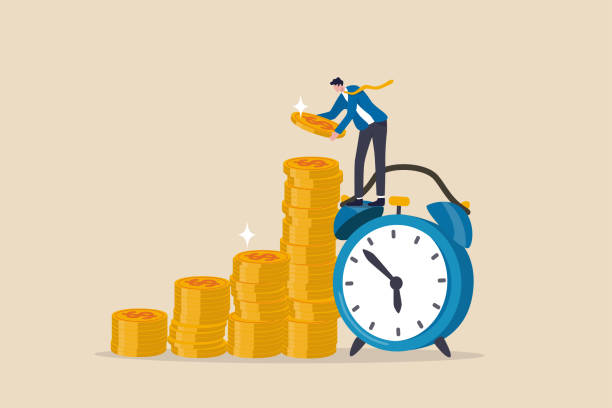
Time is an invisible yet extremely valuable resource. No one knows how much time they have left to pursue dreams, spend with loved ones, or follow passions. Unlike money, which can be earned and saved, once time passes, it can never be regained.
Therefore, to reduce stress and improve the quality of work and relationships, time must be prioritized. Even small daily adjustments and gradually improving your time management habits can help you become rich in time and live a fuller, better life.
Time Scarcity: A Modern Epidemic
In reality, over 90% of people are “time poor.” Their lives are packed with to-dos but they lack sufficient time to complete them. Whether in economically developed countries like the U.S. and Germany or highly organized societies like Japan, time scarcity is a widespread global social problem.
Lack of time not only causes anxiety and fatigue but severely harms health and happiness. Studies show:
- Time-poor people exercise less and tend to choose convenient but unhealthy foods.
- They have a significantly higher risk of cardiovascular disease.
- Overall life quality declines, and psychological stress increases.
Often, they have no time to prepare healthy meals and resort to quick fixes, increasing bodily strain. Heavy workloads and stress lead to sedentary lifestyles and a harmful cycle of inactivity.
The social and economic costs are huge. The U.S. healthcare system spends nearly $190 billion annually on stress-related diseases, and productivity losses due to poor mental health reach hundreds of billions. Over 20% of employees frequently take sick leave due to stress, seriously impacting businesses.
The Root Causes of Time Scarcity: More Than Just Individual Problems
The causes go far beyond personal time management skills. They are deeply rooted in societal structures and cultural environments:
- Digital technology keeps us constantly connected; notifications interrupt focus and rest.
- Modern work culture often glorifies busyness, with long hours seen as a status symbol.
- Fast-paced lifestyles fragment leisure and work time, making genuine rest difficult.
- Many people are overly optimistic about future time, easily overcommitting and losing control over schedules.
Recognizing these traps is the first step toward change.
Six Major Time Traps — How Many Do You Fall Into?

- Tech Distractions
Constant interruptions from phones and computers fragment your time and reduce efficiency. - Workaholism and Money Myths
Believing more money equals more happiness often leads to endless pursuit of wealth. - Ignoring Time’s Value
Failing to cherish time, wasting large amounts for small financial savings. - Busyness as Identity
Equating busy schedules with social status and personal worth, unwilling to pause and reflect. - Aversion to Doing Nothing
Despite knowing rest is vital, being unable to disconnect from screens and phones. - Overly Optimistic Future Time
Always assuming there will be plenty of time tomorrow, leading to backlogs and more stress.
Self-Test: How Much Free Time Do You Have?
Take a piece of paper and rate your time and money freedom on a scale from -5 (extremely scarce) to 5 (very abundant):
- Do you feel time-rich?
- Do you feel money-rich?
This simple test can help clarify your current lifestyle. Most time-poor people also experience money anxiety, creating a vicious cycle.
How to “Mine” Time and Become Rich in It?
Becoming time-rich isn’t luck; it requires deliberate action. Here are three key strategies to build your time wealth:
- Discover Time: Eliminate time-wasters and improve time use
Analyze your daily activities and cut out inefficiencies. For example, transform boring commutes into listening to your favorite music or podcasts to relax and boost efficiency. - Buy Time: Use money to gain time
Hire help for chores, outsource tasks, or spend extra to free up time. Allocate income wisely to services that “buy back” your time. - Redefine Time: Change your view of certain activities
Turn seemingly wasteful time into rest or growth opportunities. For instance, see your commute as a moment for reflection or relaxation, and physical chores as daily exercise.
Practical Tool: Your “Typical Day” Time Log
Track what you do each hour, identify which activities cause stress and which bring meaning. Adjust your schedule to reduce high-stress, low-value tasks and increase satisfying and joyful time.
Small Steps, Big Changes
How to use a few spare minutes effectively? Here are some easy tips:
- 5 minutes: Organize your to-do list, message someone important, check unused vacation days.
- 10 minutes: Watch calming nature videos, write a thank-you note or journal.
- 30 minutes: Take a walk outdoors, engage in creative work, read, meditate.
- An afternoon: Learn something new, volunteer, plan a future trip.
Cultivating Habits of Time Abundance
Finally, becoming time-rich requires good habits:
- Identify why you waste time: procrastination or boredom?
- Schedule free time—don’t pack every minute.
- Understand your productivity rhythms—know when to work and when to rest.
- Learn to say “no” to meaningless socializing and tasks.
- Prioritize physical and mental health—exercise, sleep, nutrition are essential.
- Reflect regularly—review and improve your time use weekly.
- Cherish the present—enjoy life and time with loved ones.
Time is the one resource we can never renew. Being rich in time means mastering wise time management, exchanging time for happiness, and finding life’s true meaning amid busyness. You’re not chasing time—you’re owning it and living your best life.
Are you ready to start becoming the master of your time today?